



Senegal is one of West Africa’s most stable and welcoming countries, brimming with natural beauty and fascinating culture. Known as the “Land of Teranga”, or hospitality, it’s a place where you can expect a warm welcome wherever you go.
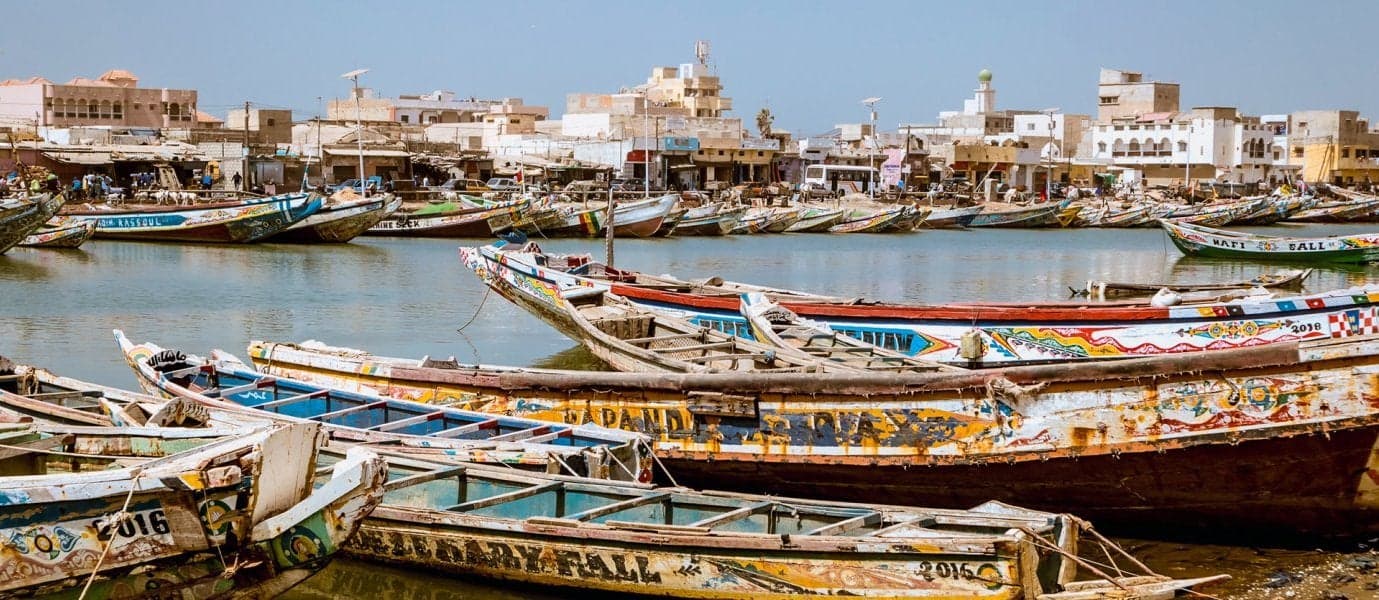
Vibrant Dakar is famous for its lively markets, beaches and music scene. Meanwhile, the former capital of Saint-Louis reveals the country’s colonial past in its UNESCO-listed old town.
History of Senegal
Kingdoms such as Takrur and the Jolof Empire once flourished here, and Islam, still central to Senegalese life, arrived through contact with the Maghreb. From the mid-15th century, European powers competed for trade along the coast.
Just off Dakar, Gorée Island served as a slave-trading post for centuries, and its tragic history remains deeply moving today. Senegal gained independence from France peacefully in 1960, led by its first president, the celebrated poet and intellectual Léopold Sédar Senghor.
Nature in Senegal
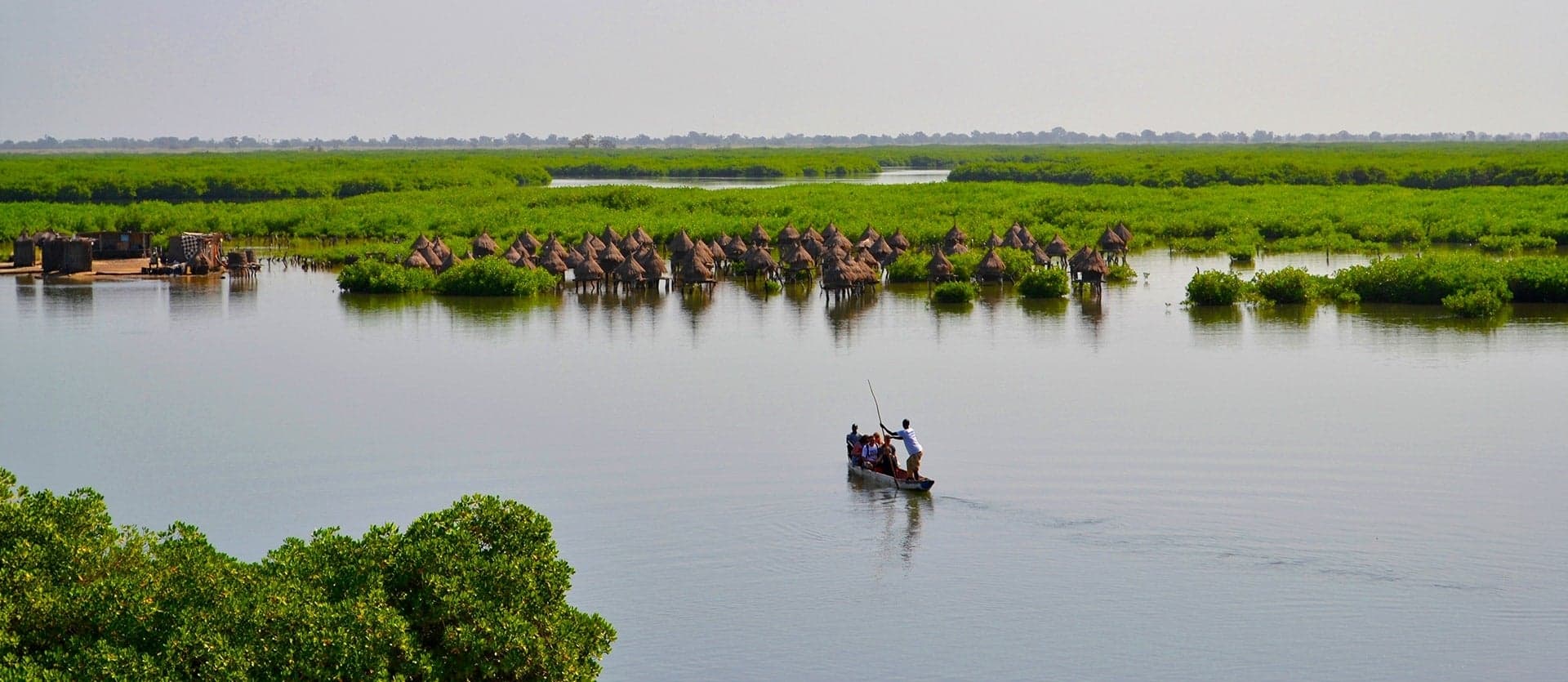
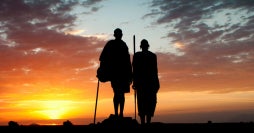
From the pink waters of Lake Retba to the mangroves of the Saloum Delta, Senegal is packed with unique landscapes. In the Lompoul Desert, bright orange dunes and unforgettable sunsets create a striking Saharan scene.
Wildlife lovers can head to Djoudj National Park, home to more than 400 bird species, including pelicans and flamingos, or to the sandy peninsula of Langue de Barbarie. Along the coast, the Petite Côte offers wild, unspoilt beaches stretching south from Dakar.
Culture in Senegal
At the heart of Senegalese life is teranga, a spirit of unity, respect and generosity that allows people of different faiths and backgrounds to live together in harmony. Music is everywhere, from the rhythms of mbalax in Dakar’s streets to Saint-Louis’s acclaimed jazz festival.
French is the official language, though Wolof is the most widely spoken. With almost half the population living in rural areas, venturing beyond the cities is the best way to discover the real Senegal.