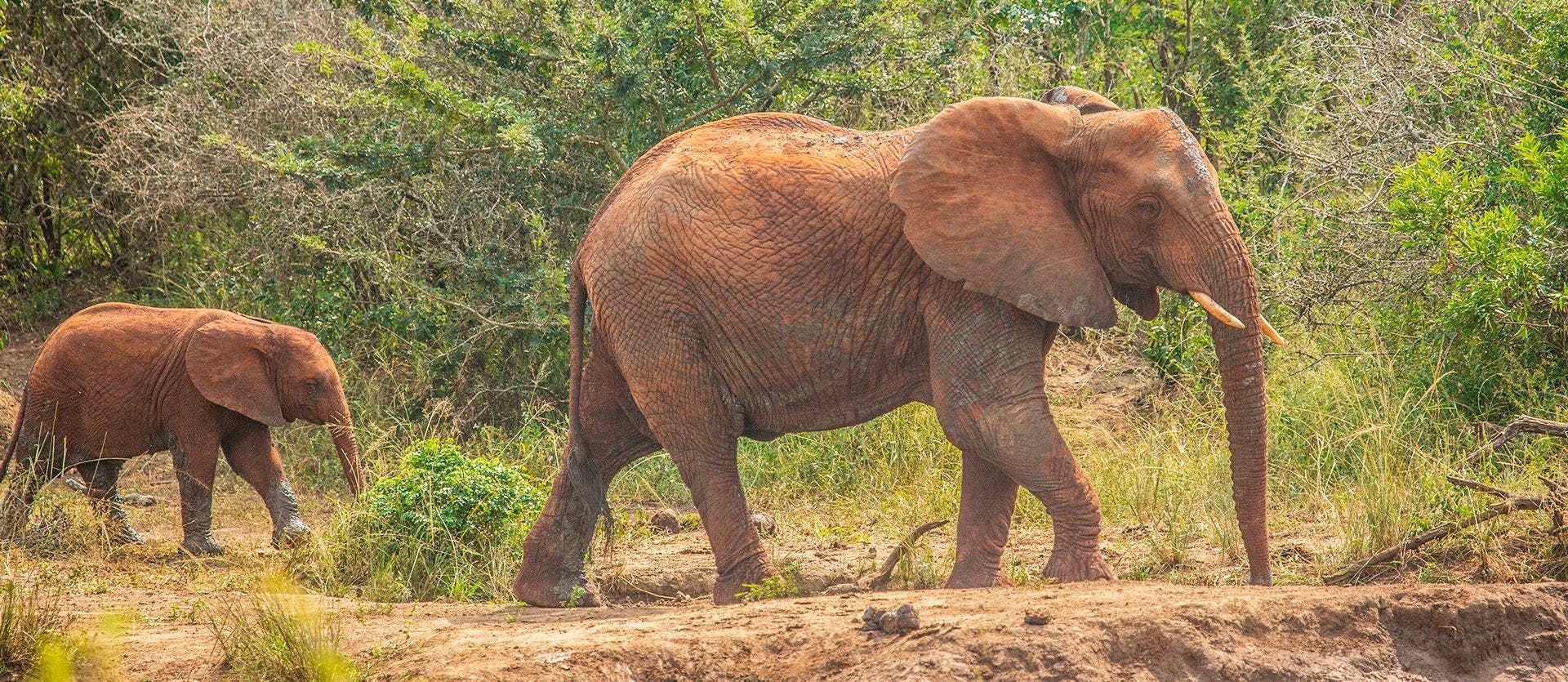
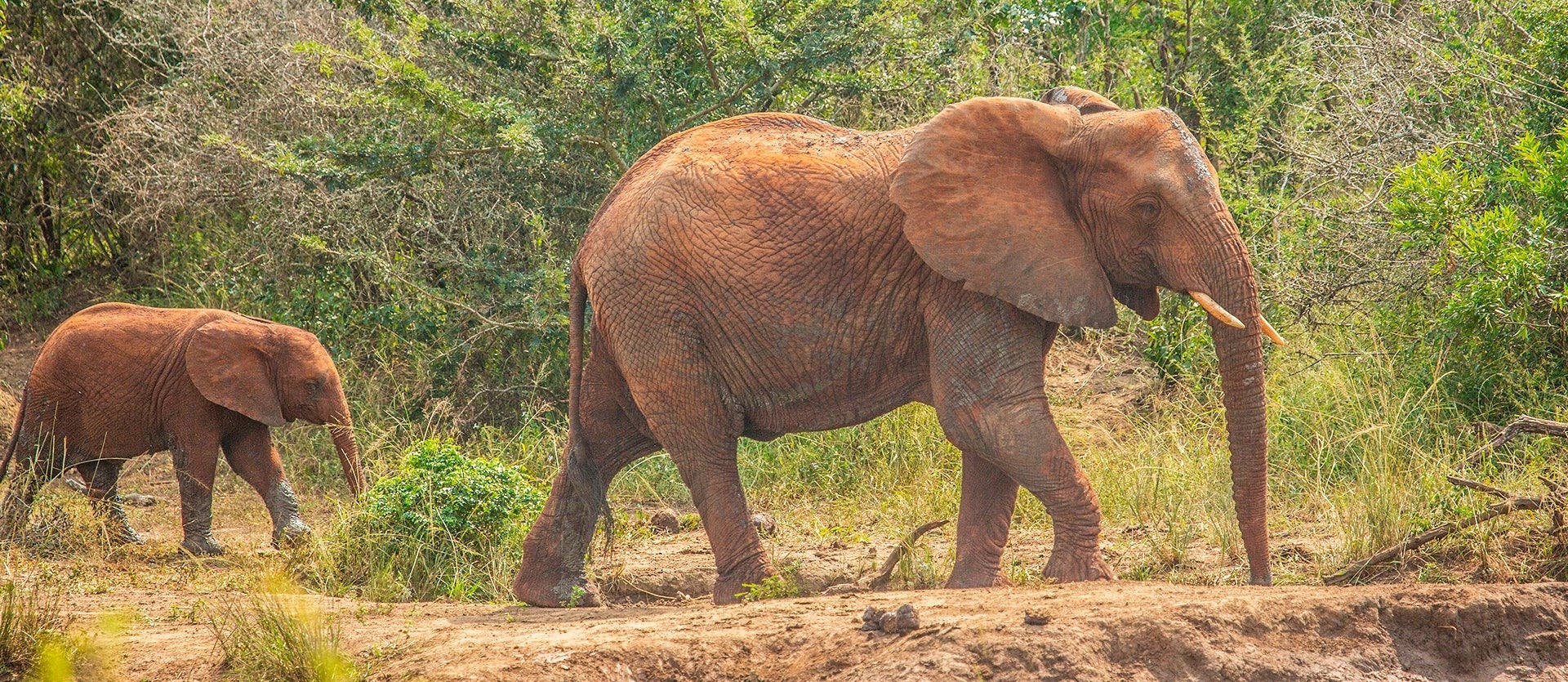
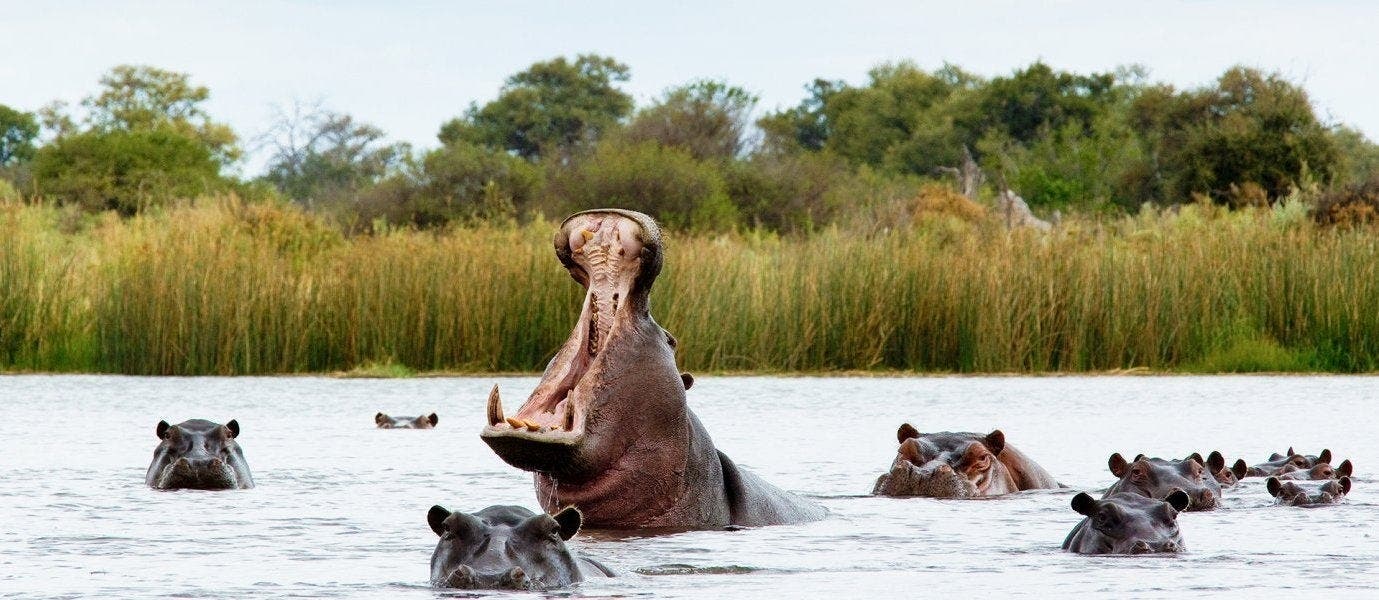
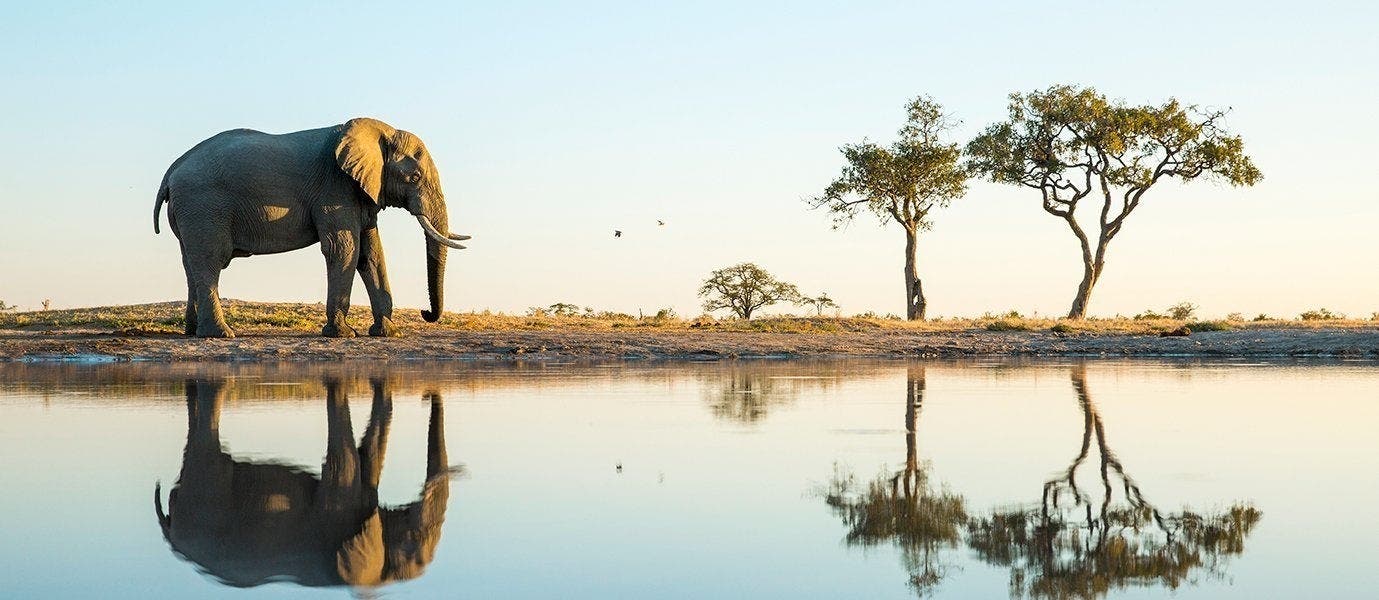

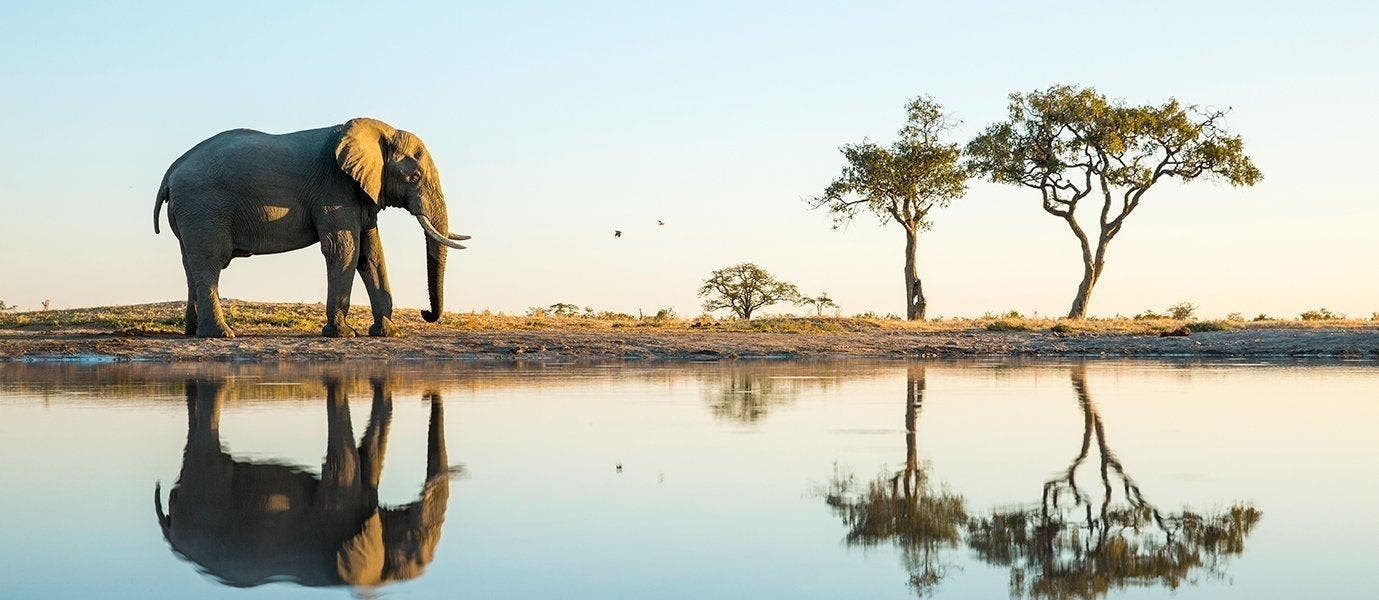
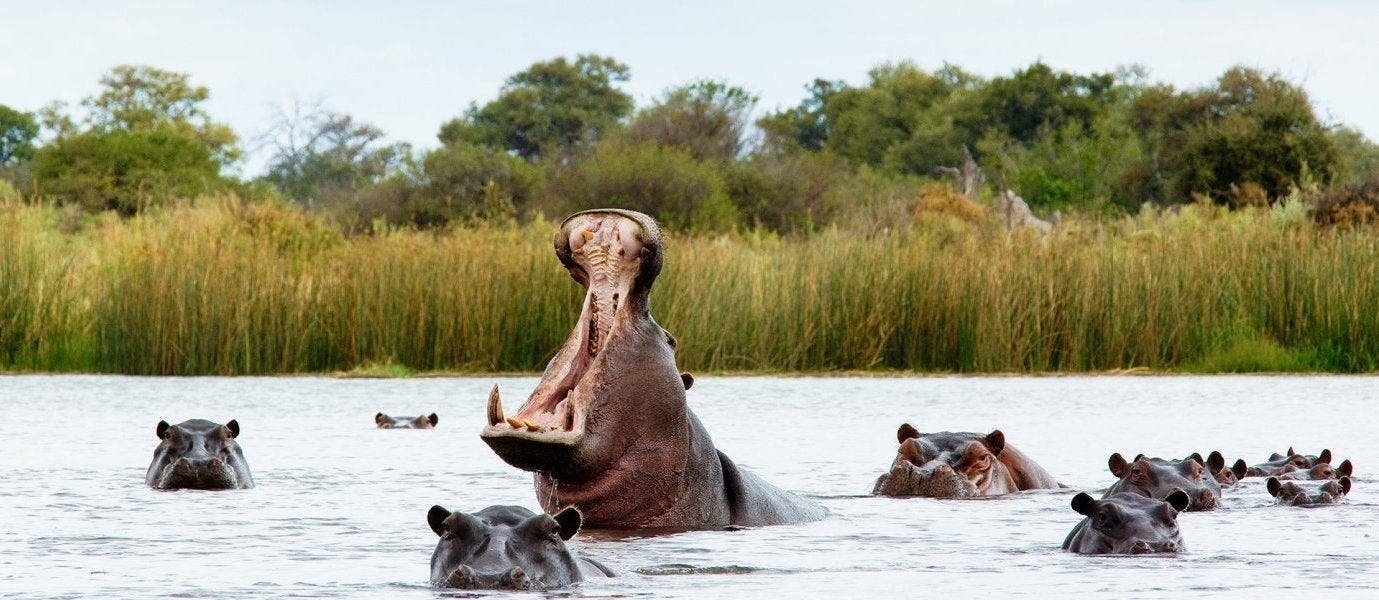
Zimbabwe is a southern African country, landlocked by Zambia, South Africa, Botswana and Mozambique. A wonderland for wildlife and natural phenomena, notably the bucket-list-worthy Victoria Falls, Zimbabwe also offers a rich cultural tapestry for those willing to delve deeper beneath the obvious attractions. From huge Lake Karibe to the ancient ruins of Great Zimbabwe, reportedly built to replicate the palace of the Queen of Sheba, Zimbabwe is full of surprises. A trip to Zimbabwe also offers the opportunity to discover its rich eco-systems and a notable population of elephants. Hwange National Park is the best destination to spot these gentle giants. Despite its tumultuous recent history, Zimbabwe is famed for the warm welcome its people extend to visitors. A brilliant destination for spotting the Big Five and a safari favourite, a holiday to Zimbabwe deserves a place on your travel list.
History of Zimbabwe
Zimbabwe has a long and fascinating history. Thought to be the first established state in the territory, the Kingdom of Mapungubwe emerged around the 11th-century. This was followed by increasingly sophisticated Shona-speaking civilisations in the region. You can discover this captivating time in the nation’s history at the stone ruins of Great Zimbabwe, an unmissable stop on a tour of Zimbabwe.
These kingdoms developed strong trade links across the Indian Ocean, trading gold, ivory and glass among other precious resources and goods. In the 19th-century, Shona dominance in the region was threatened by the influx of Ndebele people, who moved north to flee Zulu violence in South Africa. These communities were shortly followed by European explorers and traders and by 1889, the British South Africa Company began colonising what would soon be known as Southern Rhodesia, named after British mining magnate and politician, Cecil John Rhodes. Settlements of pioneer Europeans sprang up across the newly formed country and a capital city was eventually established in modern-day Harare.
Although Southern Rhodesia became a self-governing colony in 1922 it continued to contribute both resources and manpower throughout both World Wars. In 1965, Ian Smith, leading a white-minority government, declared independence from Britain, sparking a guerillas war in the 70s. It was not until 1980 that the country gained official independence as Zimbabwe, with Robert Mugabe as president. Today, following two decades of economic disaster and political upheaval under Mugabe, Zimbabwe looks towards the future with optimism.
Nature in Zimbabwe
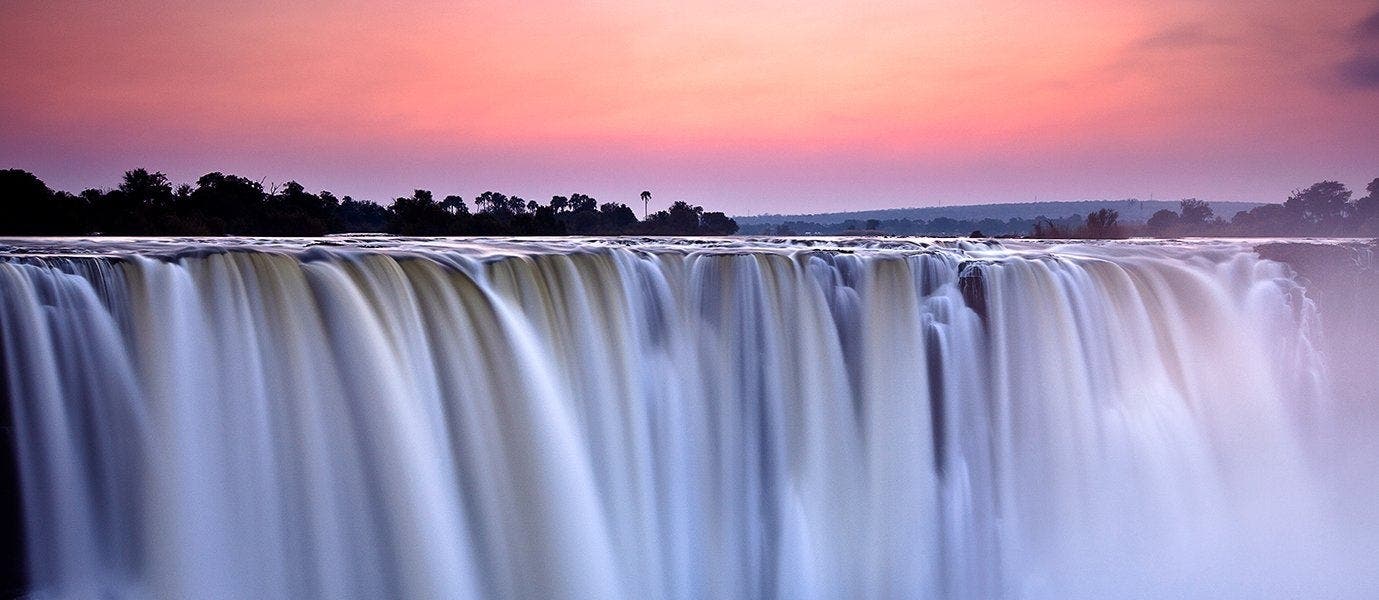
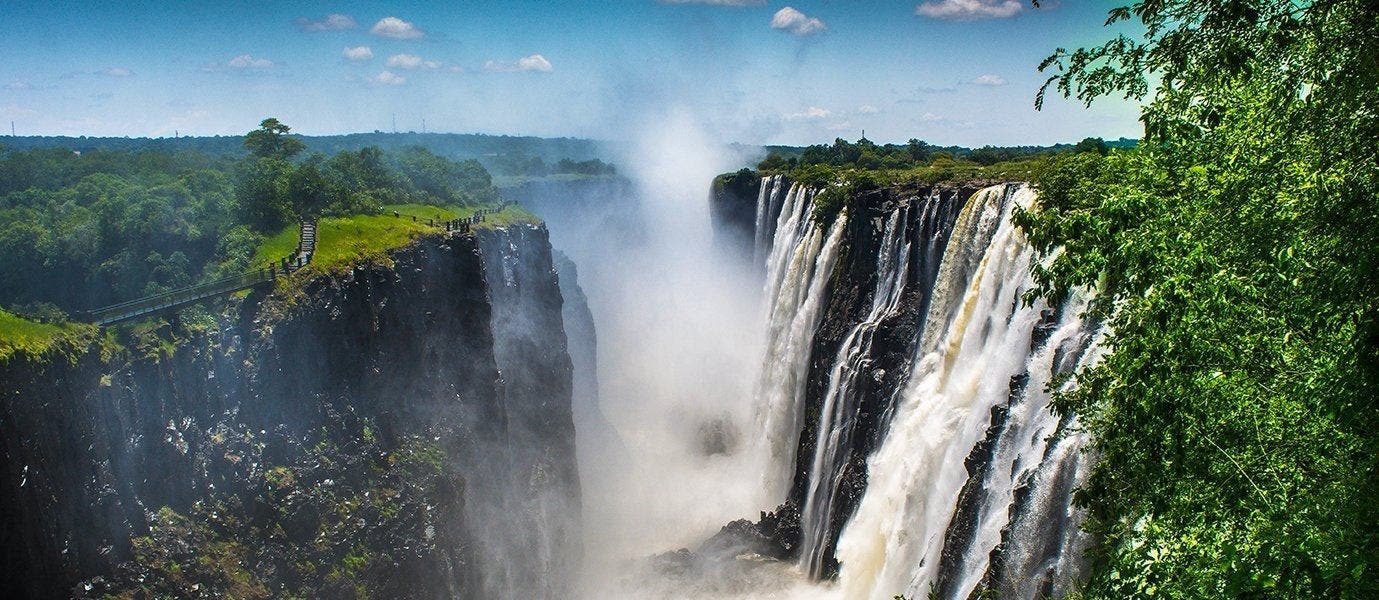
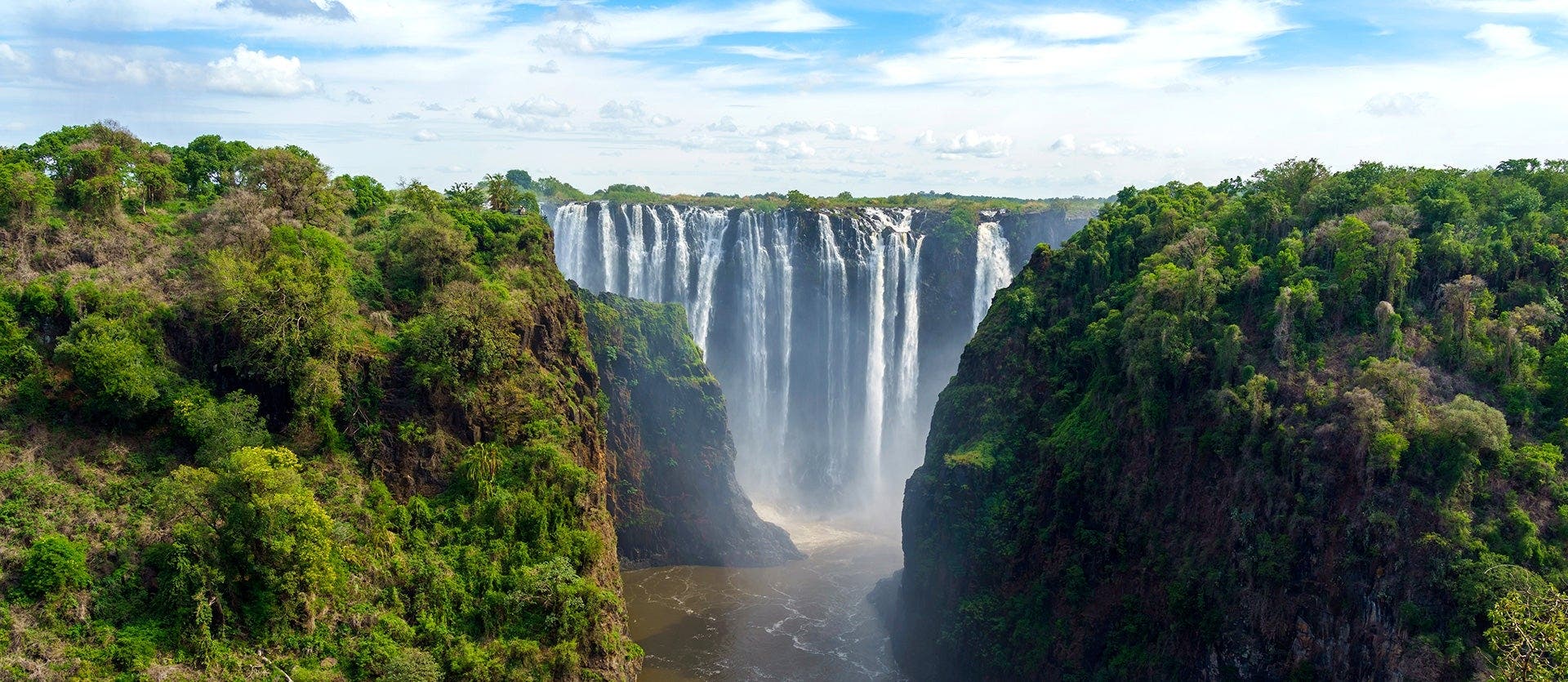
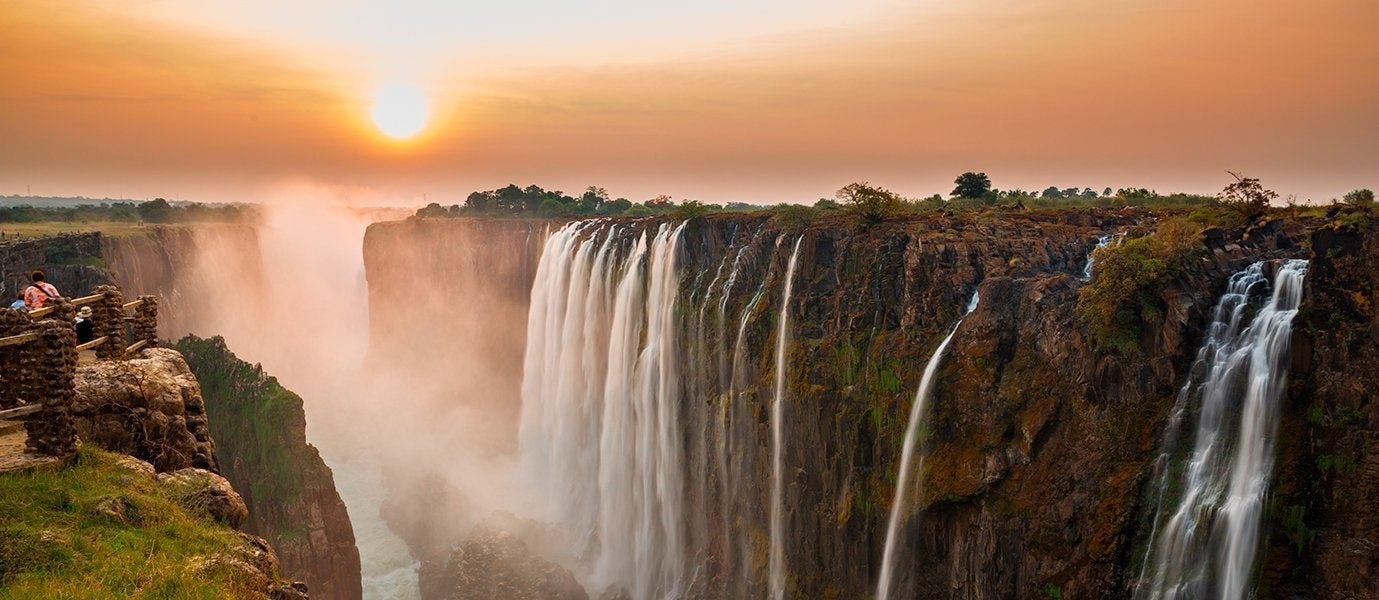
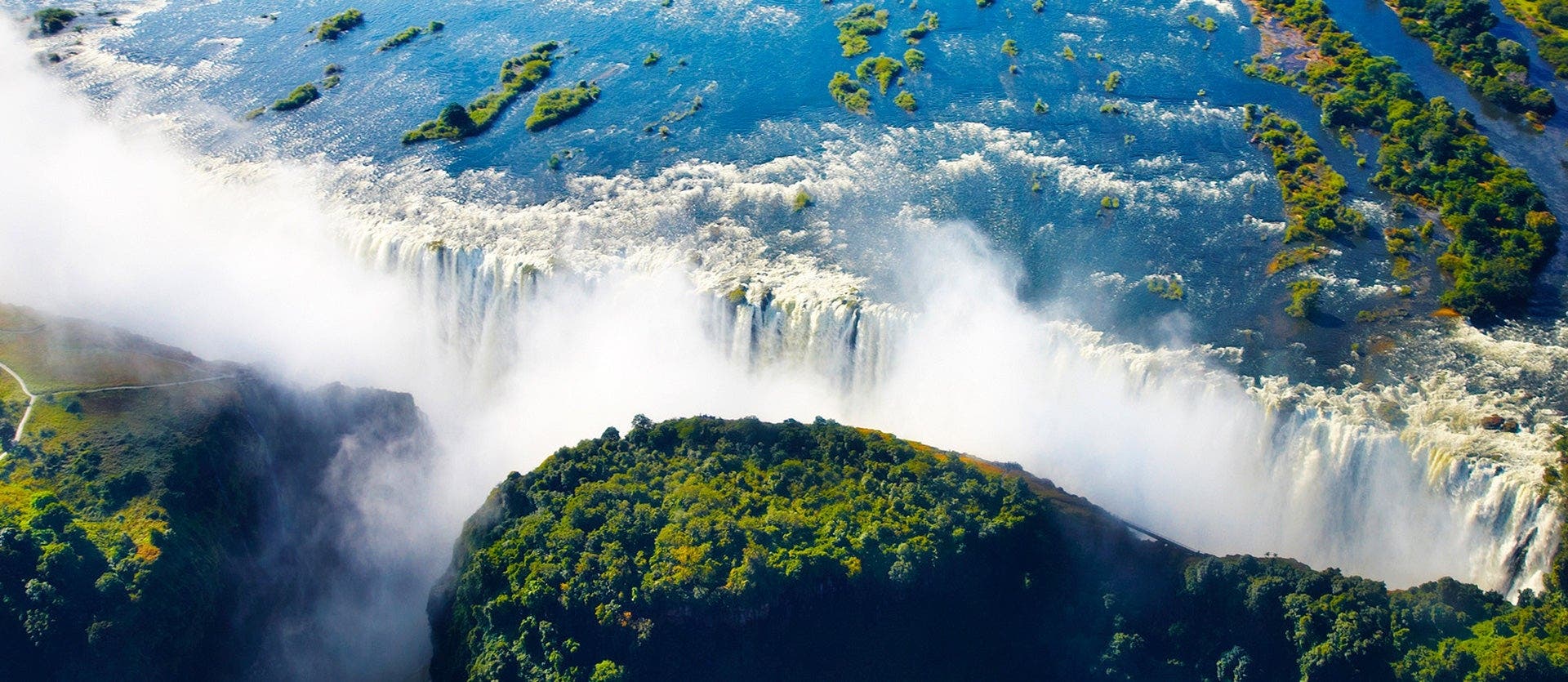
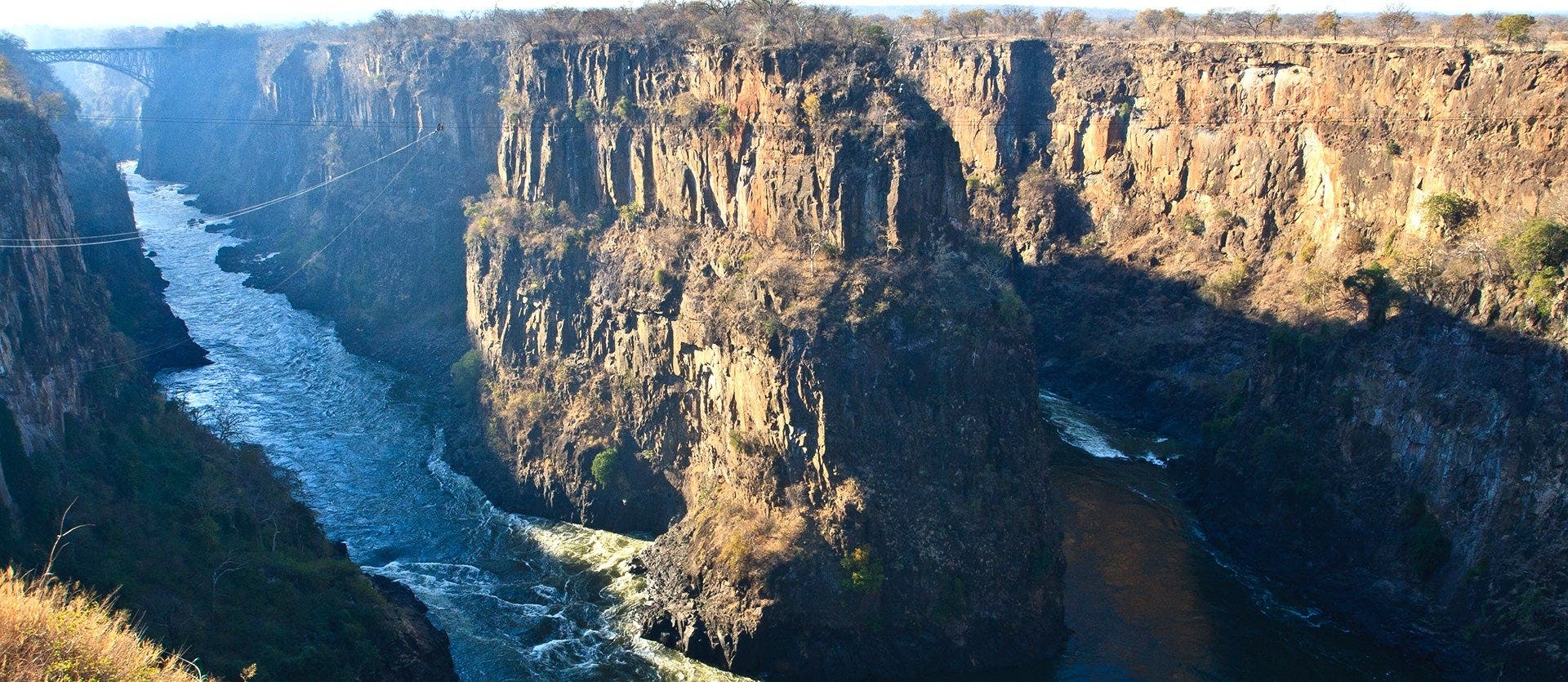
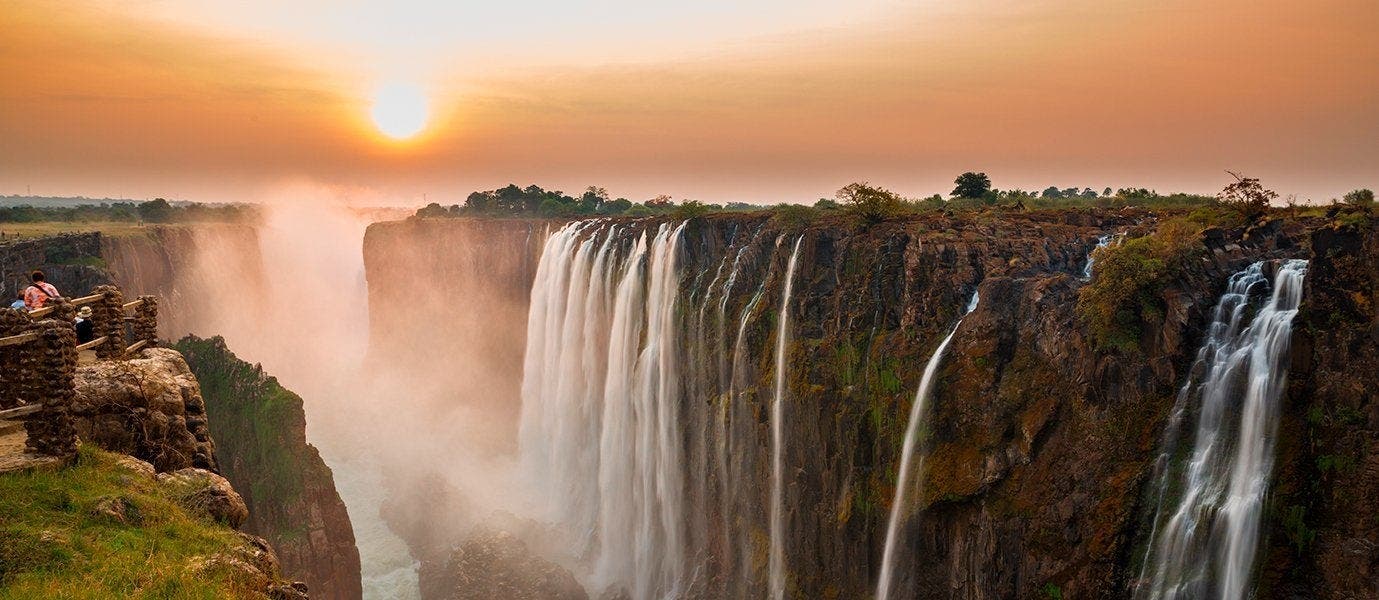
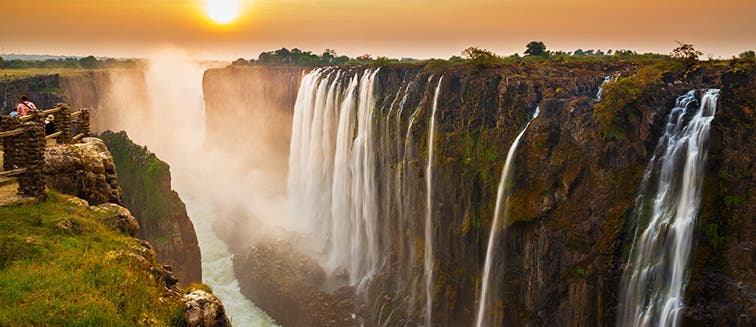
Without a doubt, Victoria Falls tops the lists of must-see attractions for all who visit Zimbabwe. Known locally as ‘the smoke that thunders’, the Victoria Falls is a UNESCO World Heritage Site and is proudly considered one of the world’s largest waterfalls due to its vast length and height, forming an impressive wall of falling water. Its thundering waters are fed by the Zambezi River. Those who visit Victoria Falls can take in the view from both the Zambian and Zimbabwean sides of the border, although facilities and views on the Zimbabwean side are considered the best. Many travel to Zimbabwe on day trips from neighbouring countries to see the Victoria Falls, but its certainly worth staying longer to discover more of the country’s natural wonders.
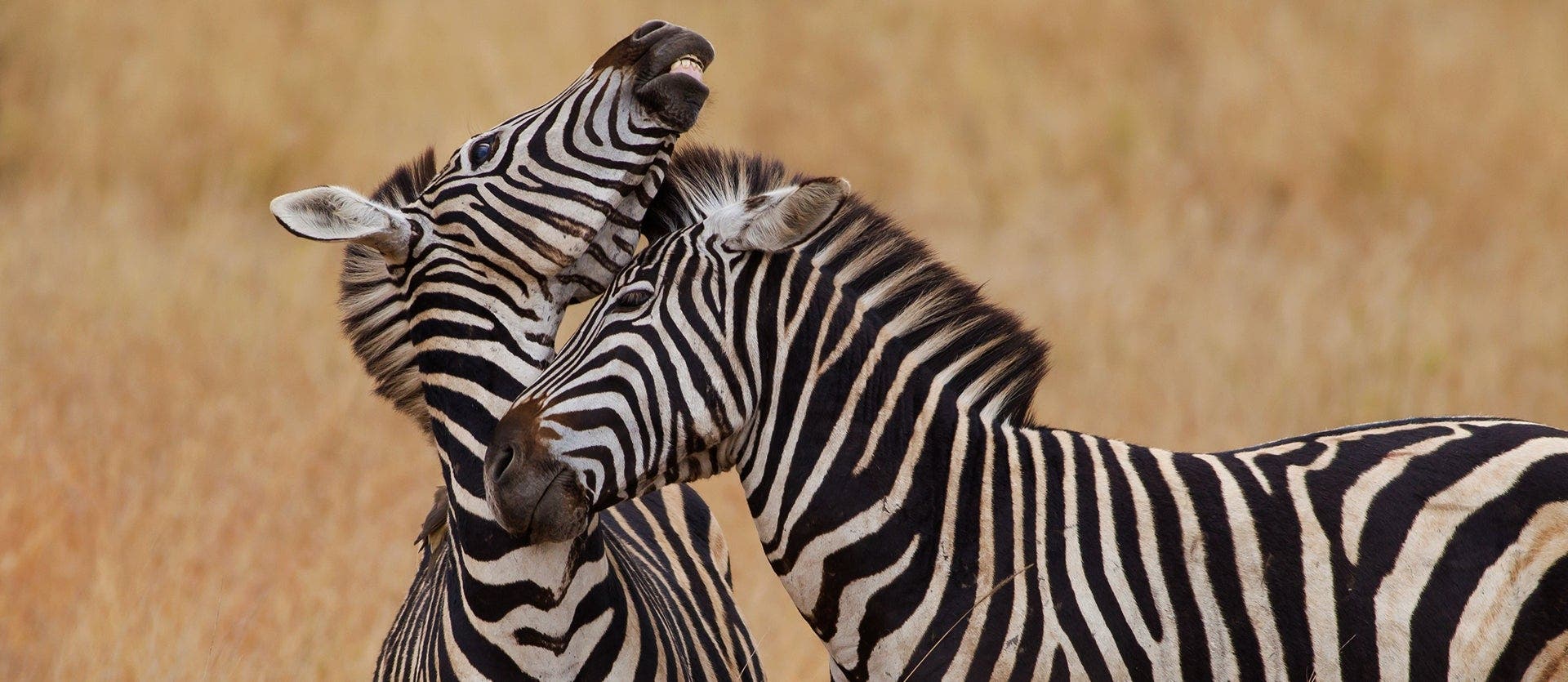
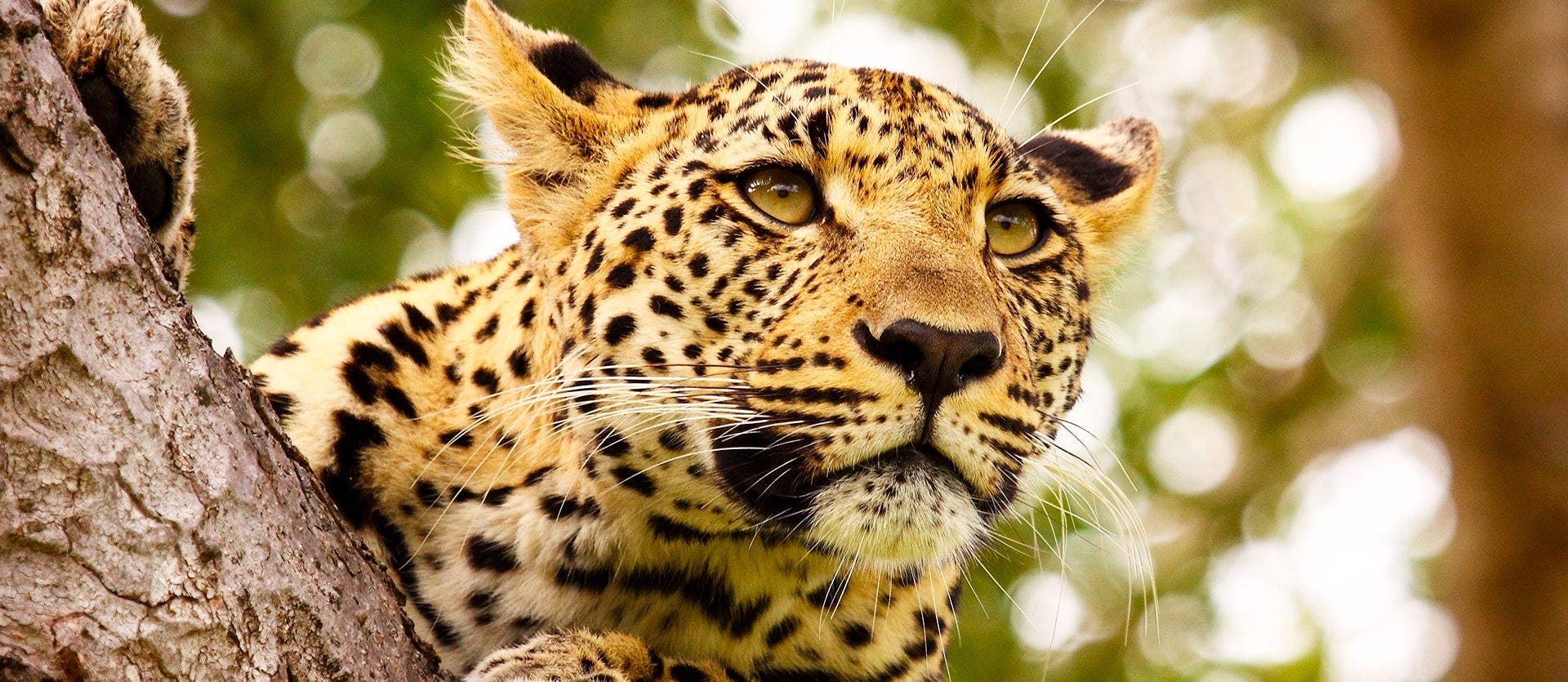
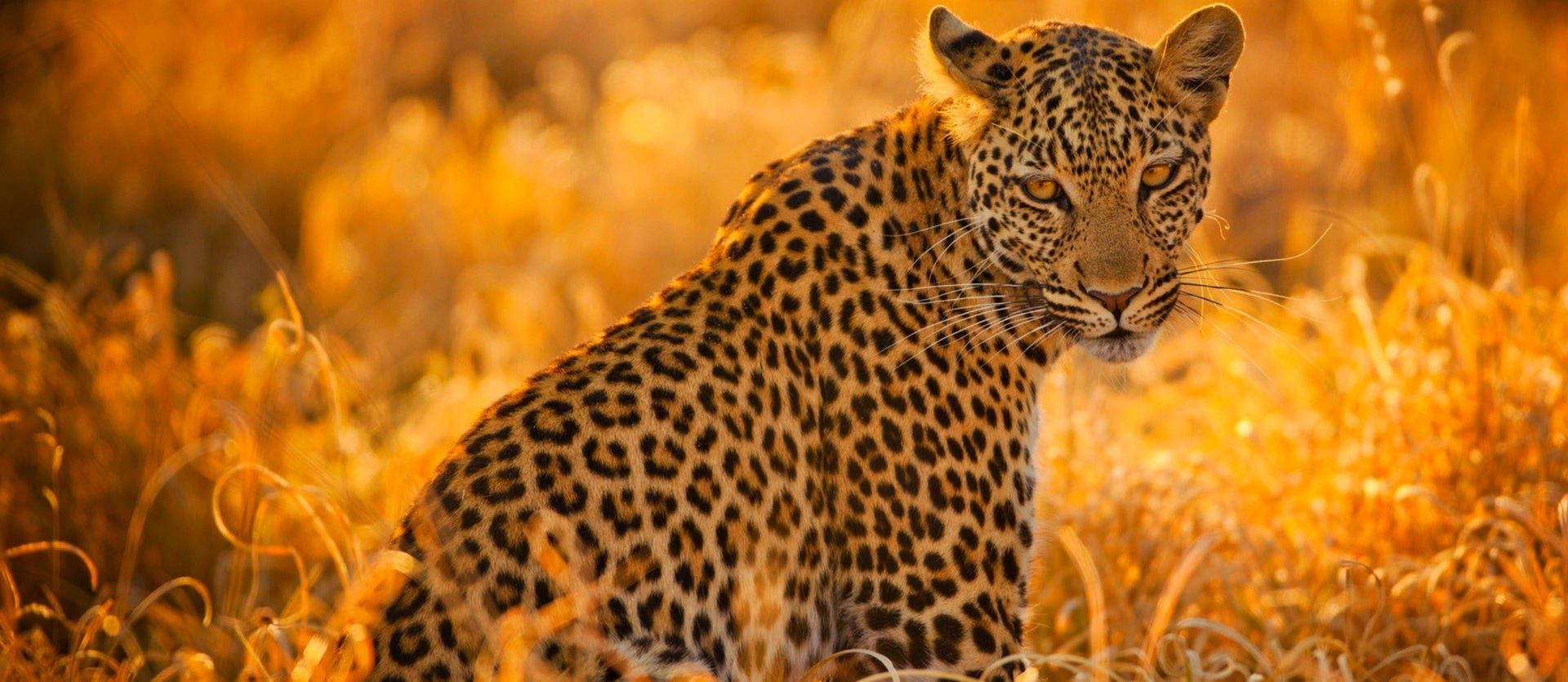
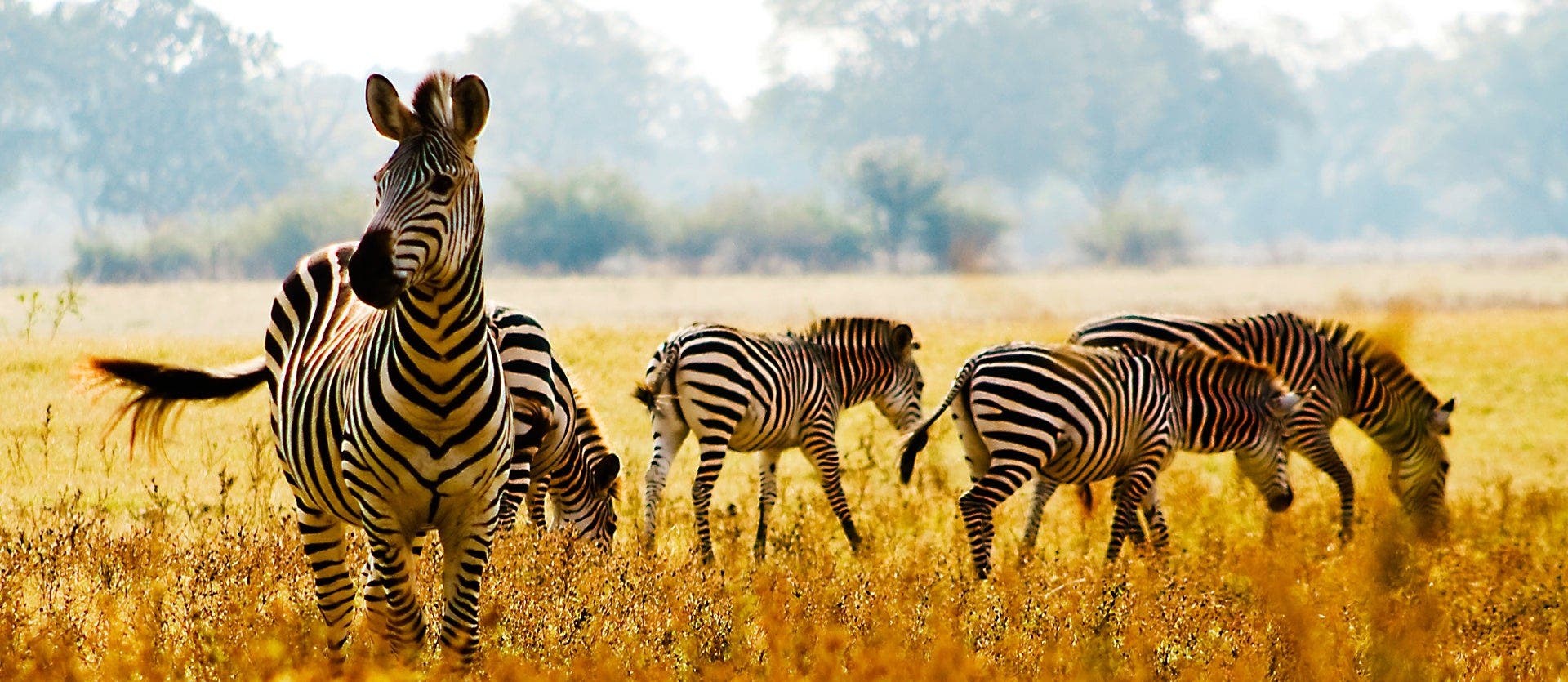
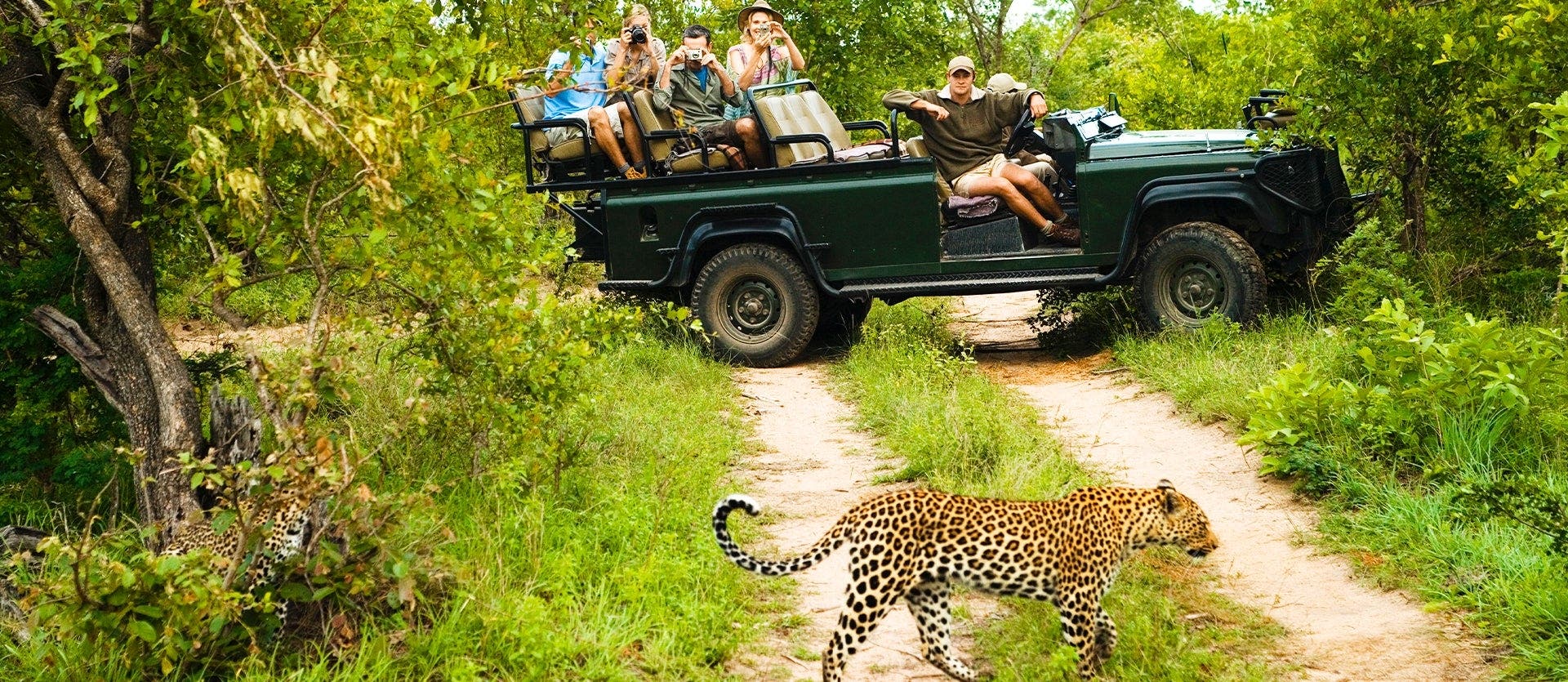
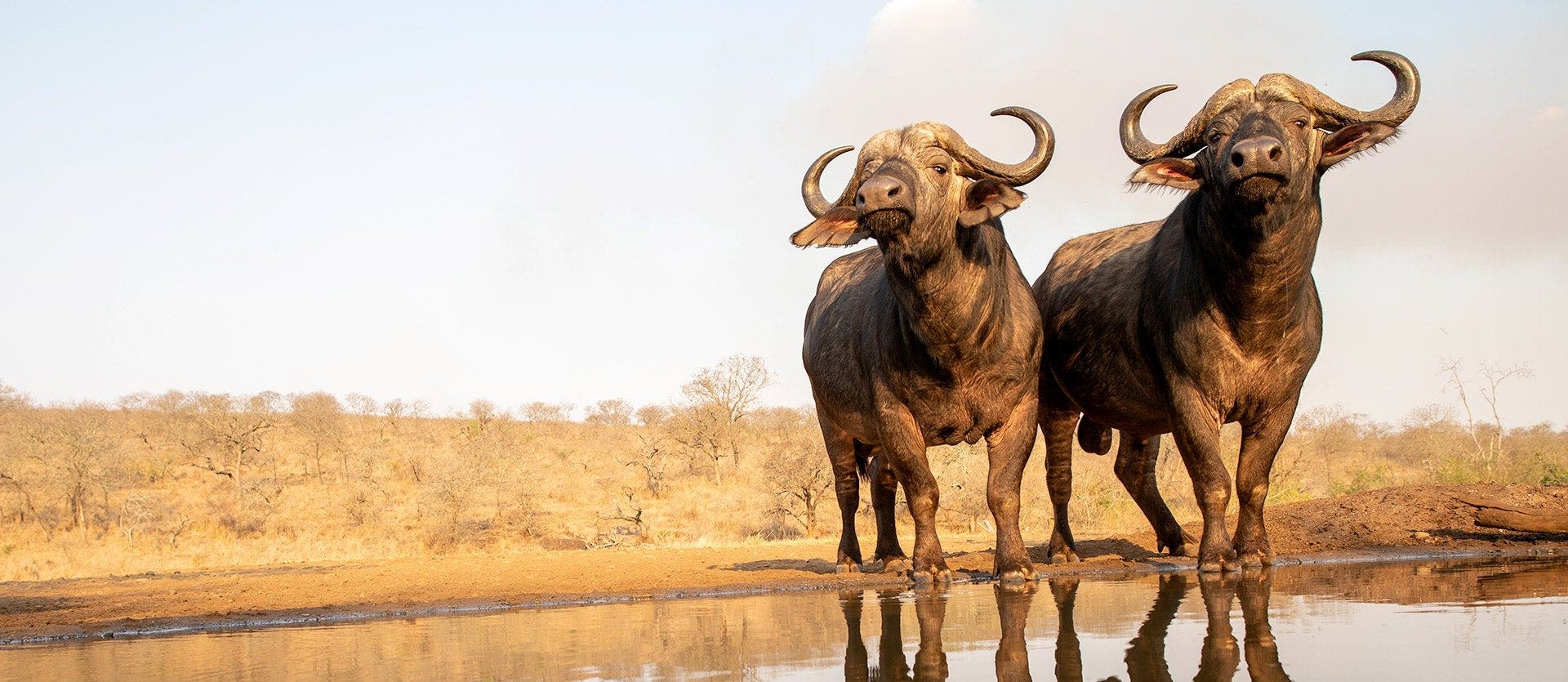
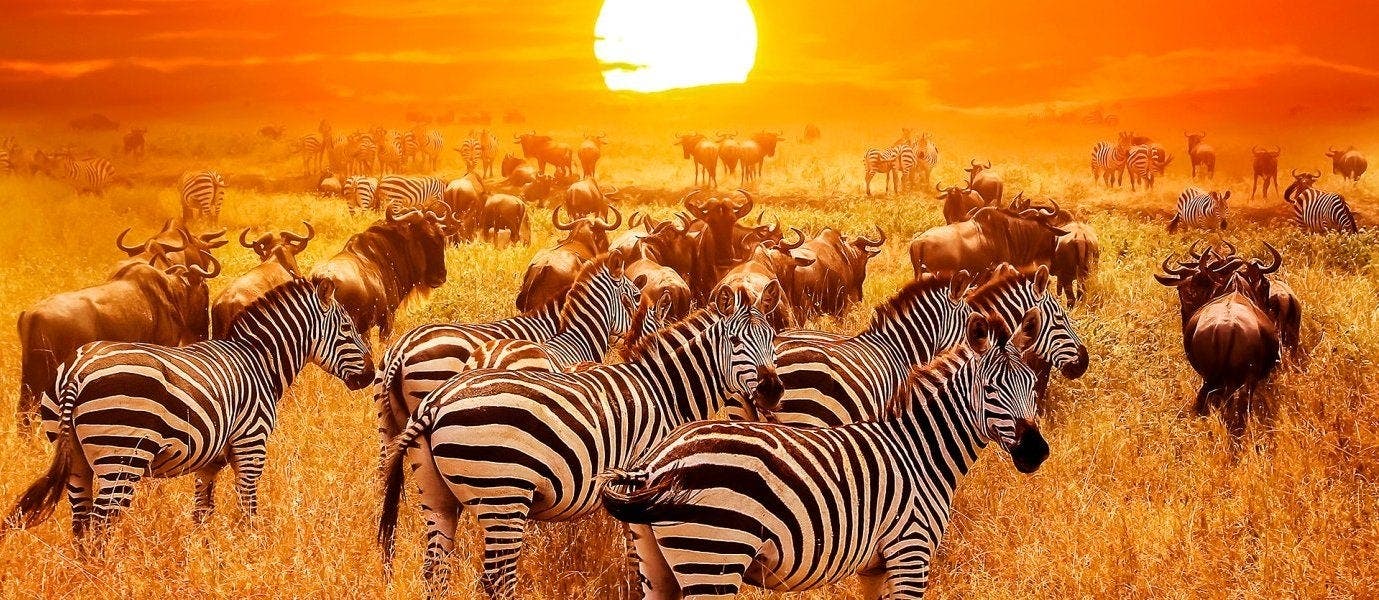
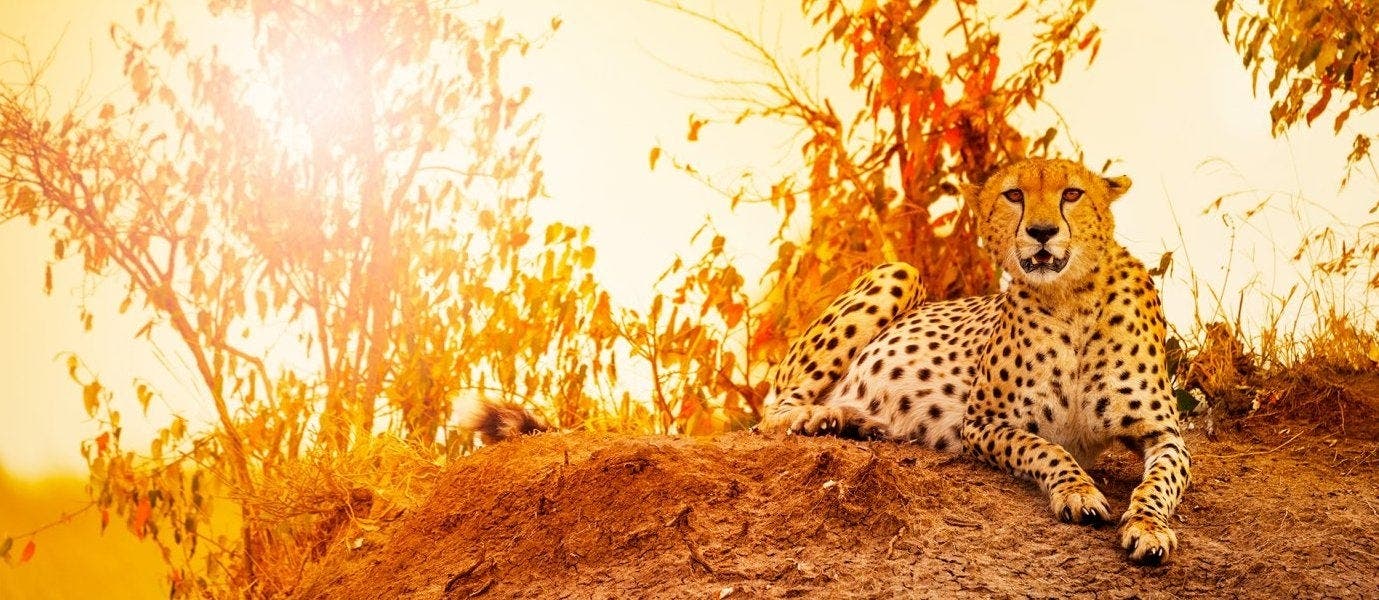
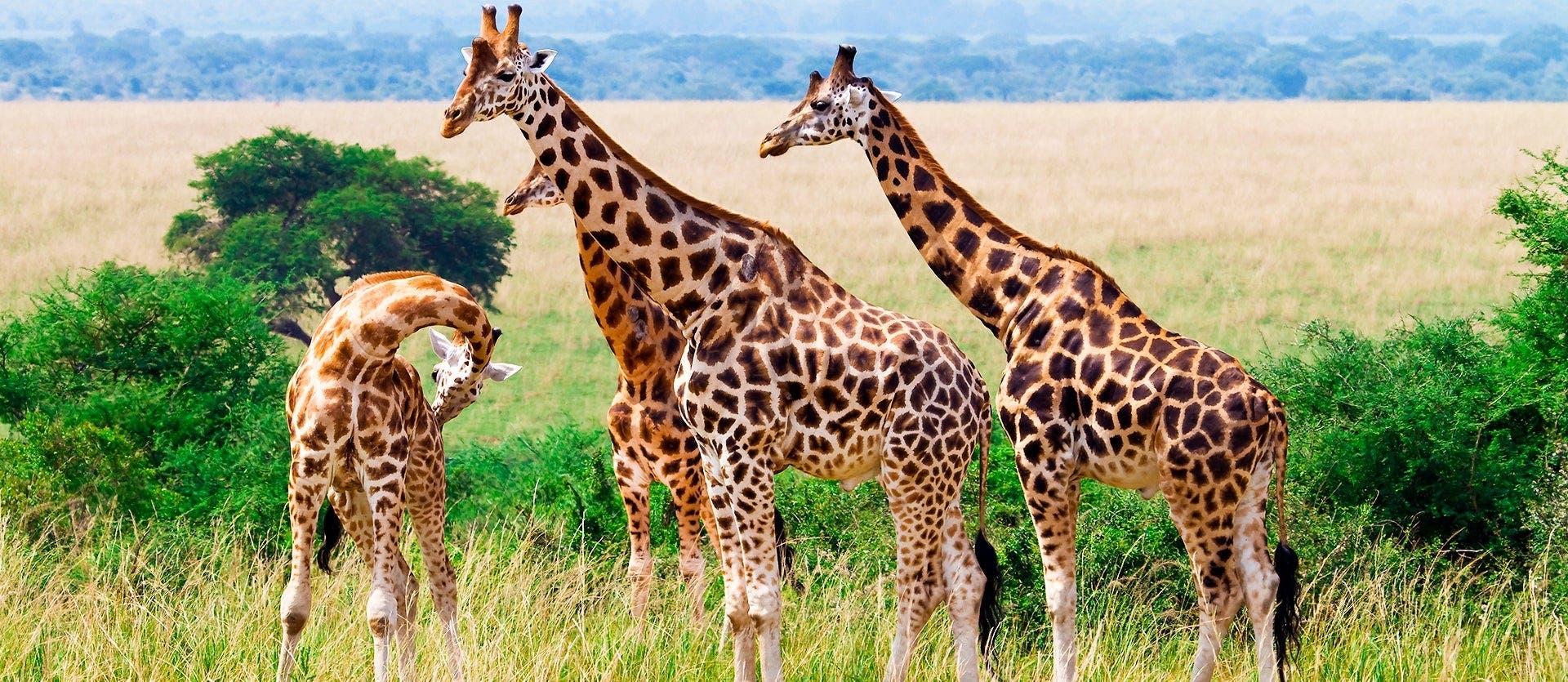
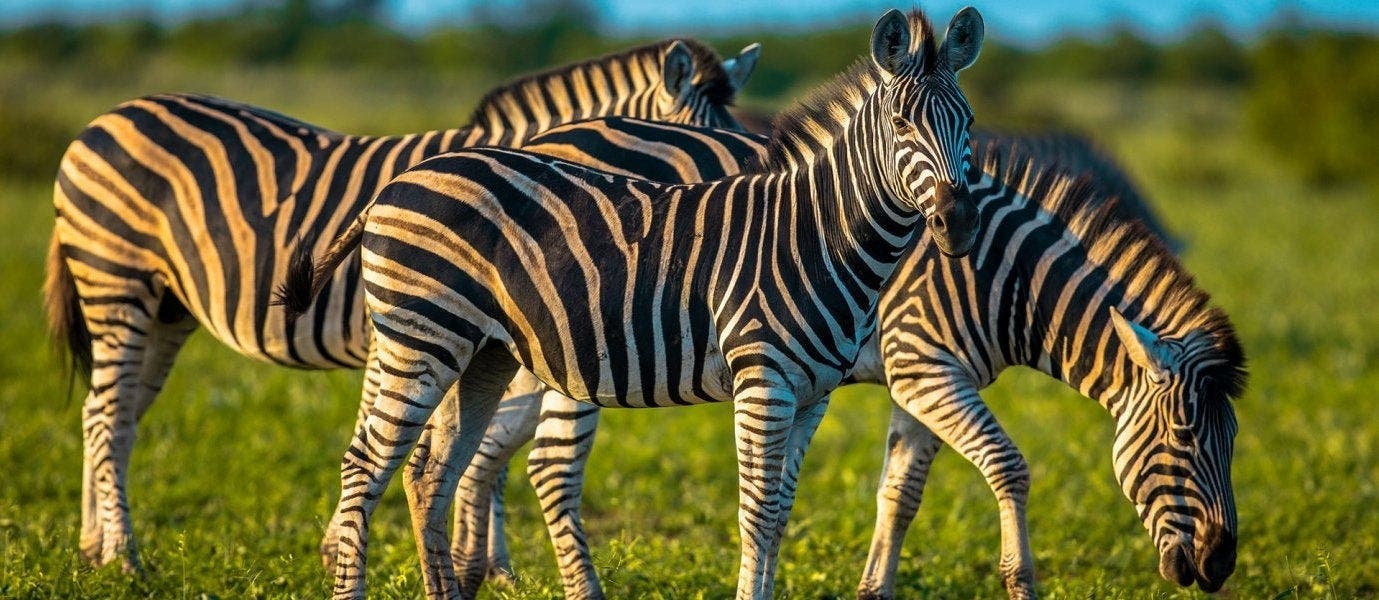
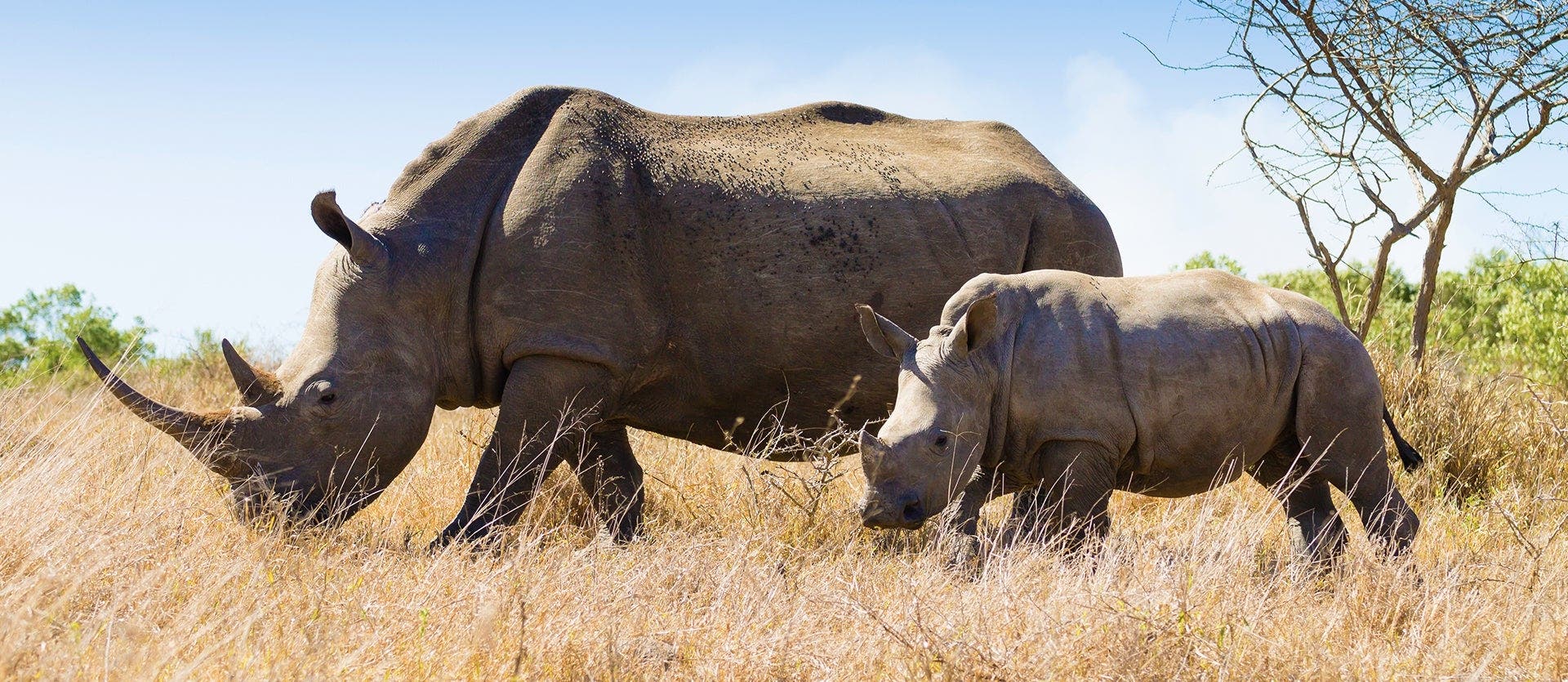
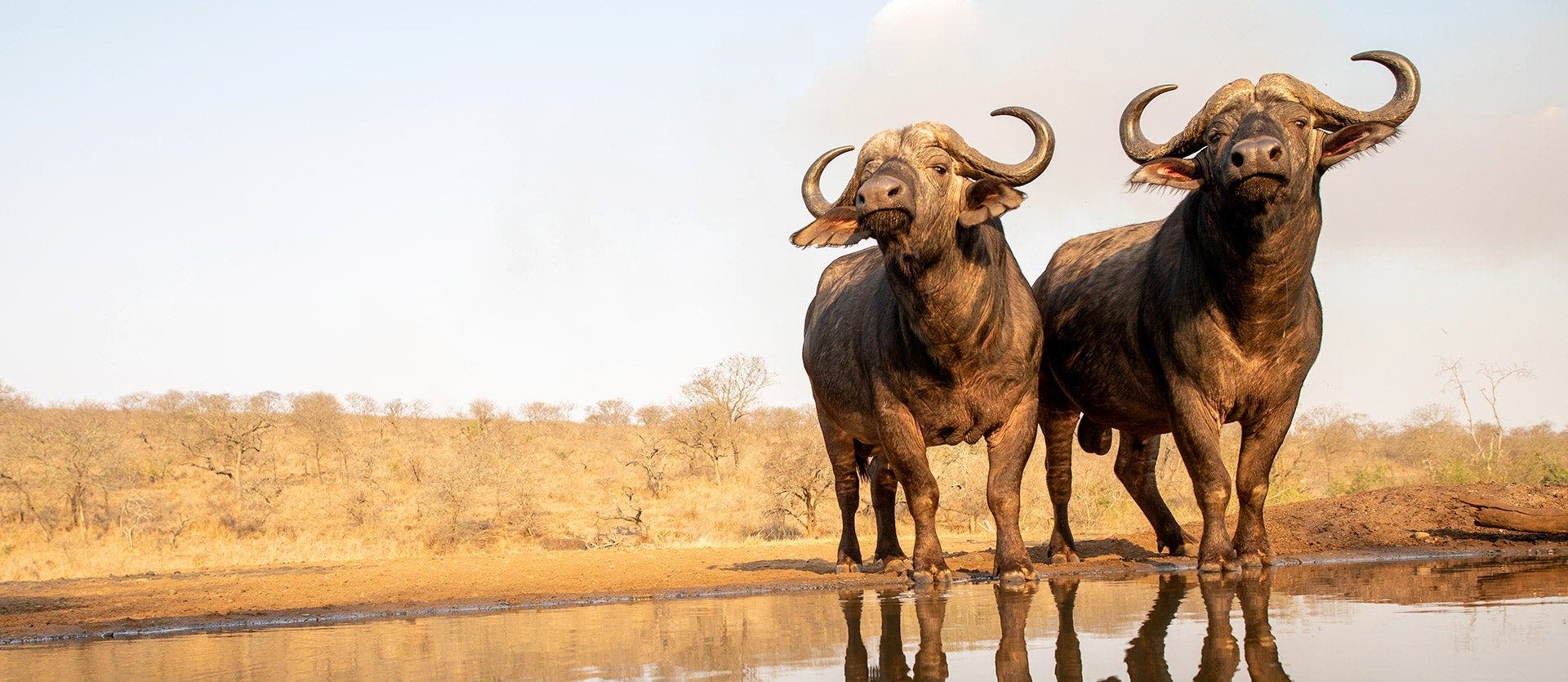
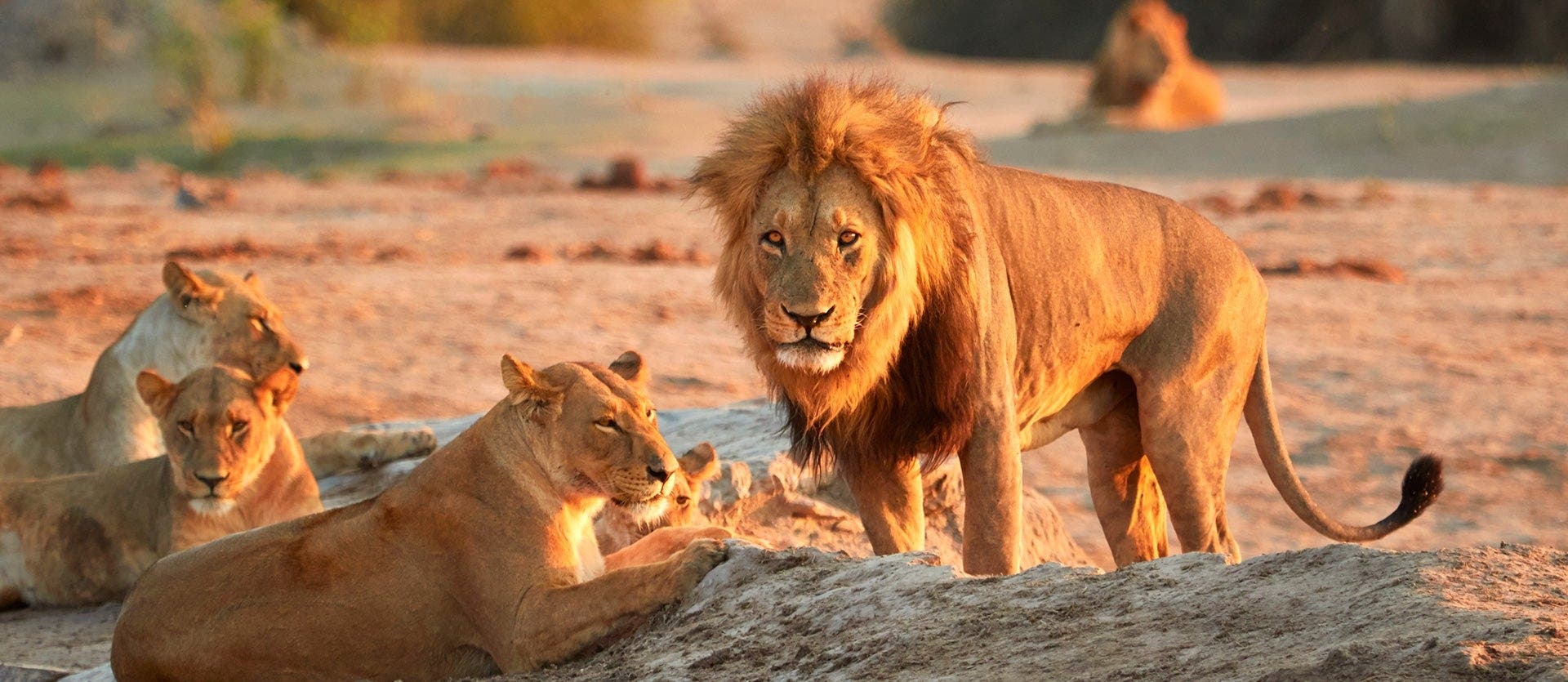
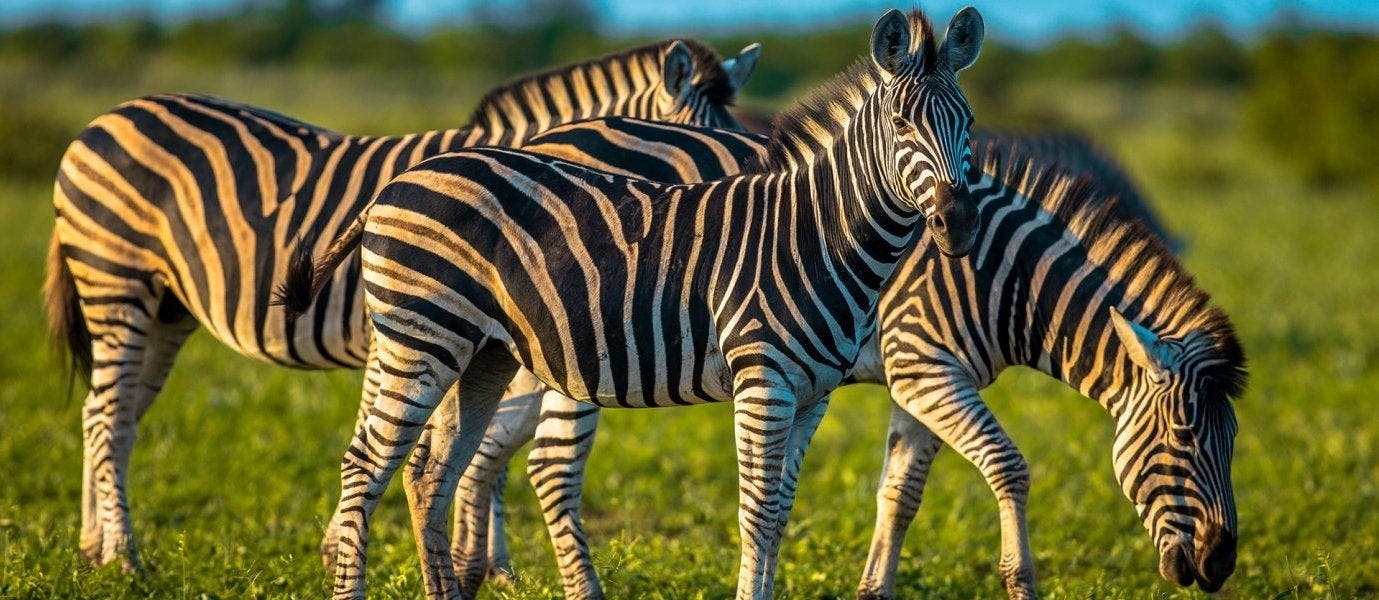
Both Hwange and Matobo National Parks are great choices for wildlife lovers, and perfect for spotting the highly prized Big Five. Matobo has an added appeal as it boasts spectacular granite rock formations. The Matobo Hills are home to ancient rock art painting and archaeological sites as well and offer breathtaking views across the picturesque savannah. If you find yourself craving a little greenery, head to the lush Eastern Highlands, where a cooler climate, scenic walking trails and both tea and coffee plantations offer visitors plenty to explore. Finally, the Mana Pool National Park, in the far north of the country, is well worth a visit during a tour of Zimbabwe. Fantastic for game viewing, this national park is home to plentiful watering holes which attract large game, especially in the dry season when water is scarce.
Culture in Zimbabwe
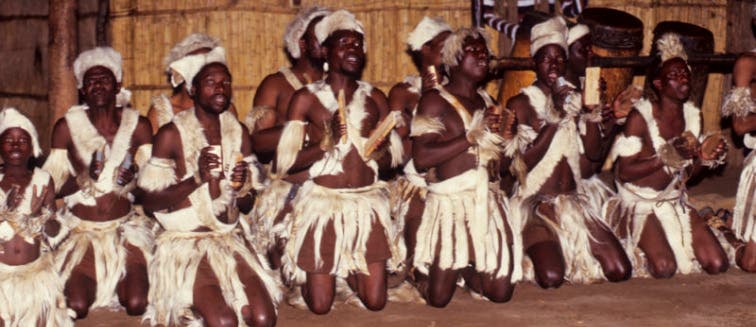
Discovering Zimbabwe’s rich cultural heritage is a highlight of any trip. The largest ethnic group is the Shona, traditionally known for crafting amazing stone sculptures, a tradition that endures today and is much coveted in the art world. Zimbabwe has 16 official languages, including English and Shona, a testament to the diversity of its people. In Zimbabwe, Christianity and ancestral beliefs are the predominant religions.
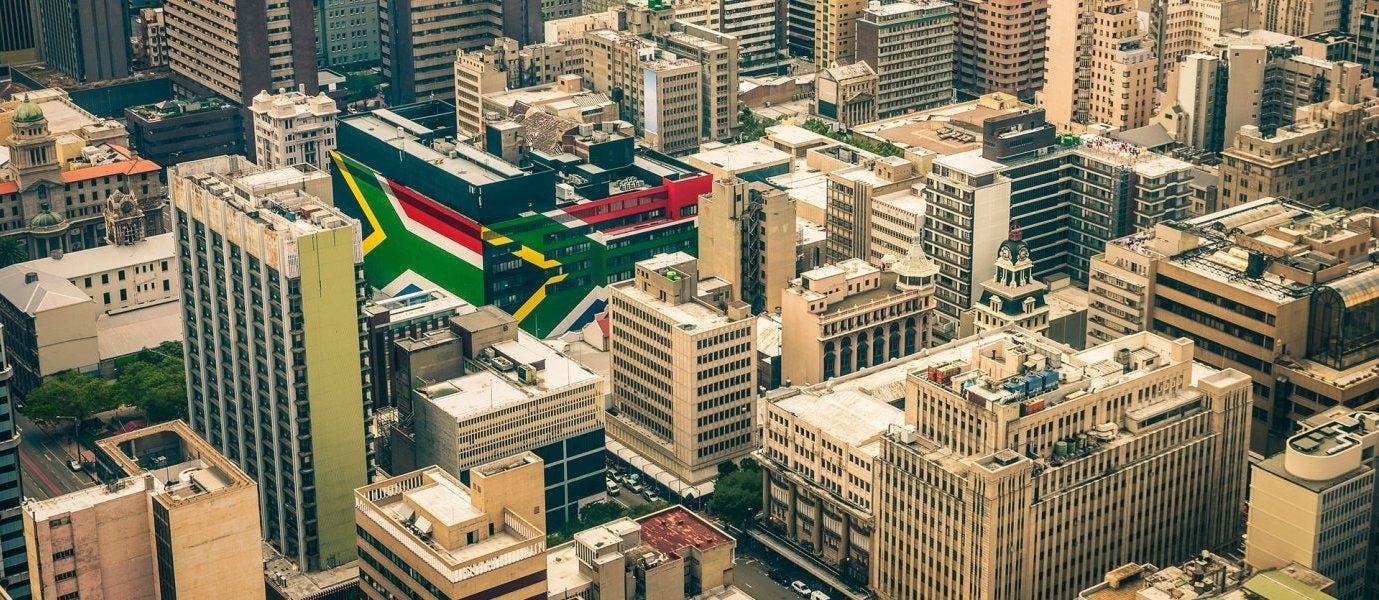
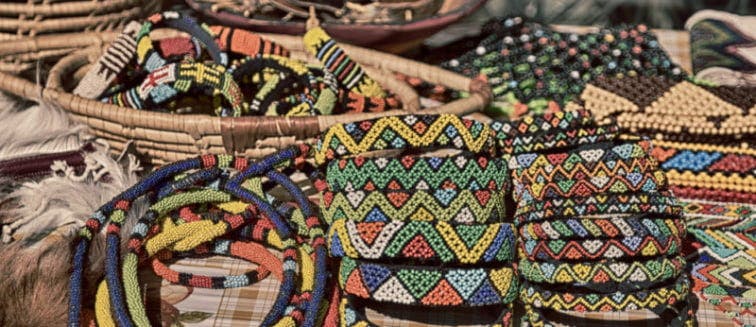
To get to know authentic Zimbabwean culture, many visitors choose to visit local villages during their holiday to Zimbabwe, where they can witness age-old traditions and lifestyles in practice, although the capital of Harare also offers plenty of cultural insights. It’s National Gallery and the astonishing wealth of talent on show in its craft markets are provide interesting insights into the nations’ artistic culture. The city of Bulawayo is another must-see for culture vultures. Its colonial architecture makes it a unique and fascinating stop on a tour of Zimbabwe.
Travel to Zimbabwe to see the epic Victoria Falls and to unearth the relics of its ancient civilisations, discover its wildlife-rich eco-systems and experience the infectious warmth of its vibrant cultures. A trip to Zimbabwe is a journey through vast savannahs, lush highlands and villages unchanged by time.