Begin your journey to the Galápagos Islands and experience a place that strengthens the bond between people and nature.














About the Galápagos Islands
The Galápagos Islands, officially known as the Archipiélago de Colón, form a province of Ecuador located around 1,000 km off the mainland coast in the Pacific Ocean. The archipelago is made up of thirteen volcanic islands, along with more than a hundred islets and rocky outcrops. It is one of the largest archipelagos in the world and an area of significant volcanic activity. Recognised as a Natural World Heritage Site and Biosphere Reserve, the Galápagos played a central role in Charles Darwin’s observations that led to the development of the Theory of Evolution.
Landscapes and Natural Environment
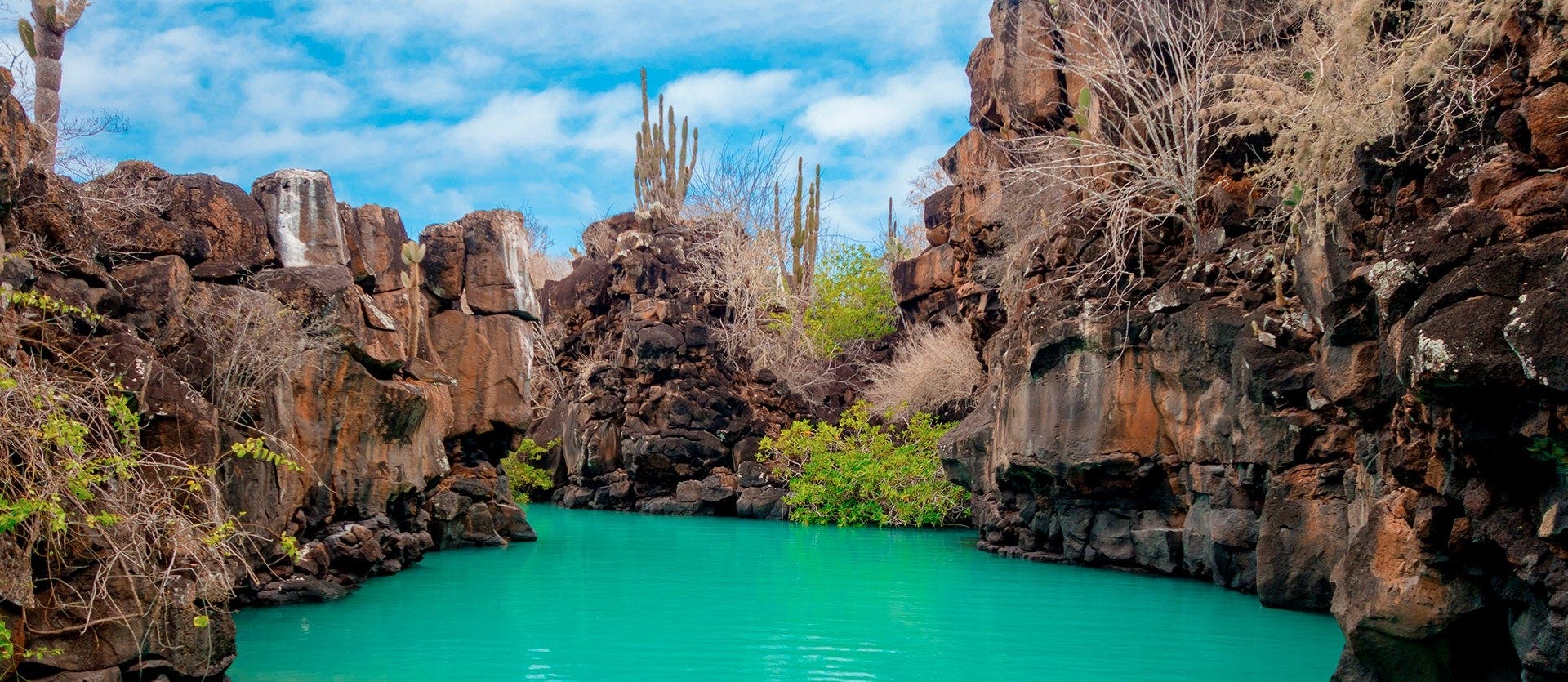
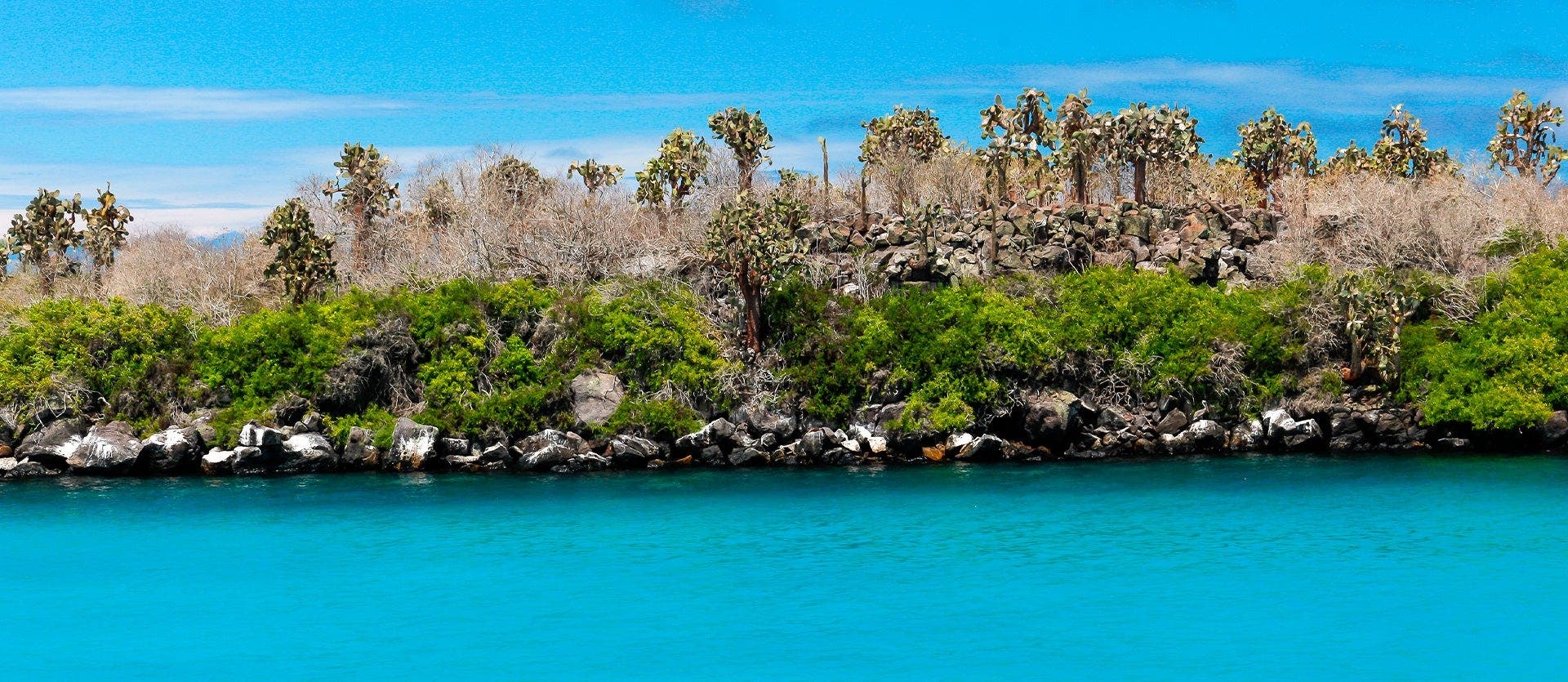
The landscapes here differ from typical Pacific islands. Instead of lush vegetation, much of the terrain is arid, with extensive lava fields, striking rock formations, cactus forests and volcanic cones. This raw and untouched environment gives the islands a distinctive character. Beneath the surface, underwater craters and coral reefs support an exceptional level of biodiversity, making the Galápagos one of the most important destinations for diving.
How to Get There and Main Settlements
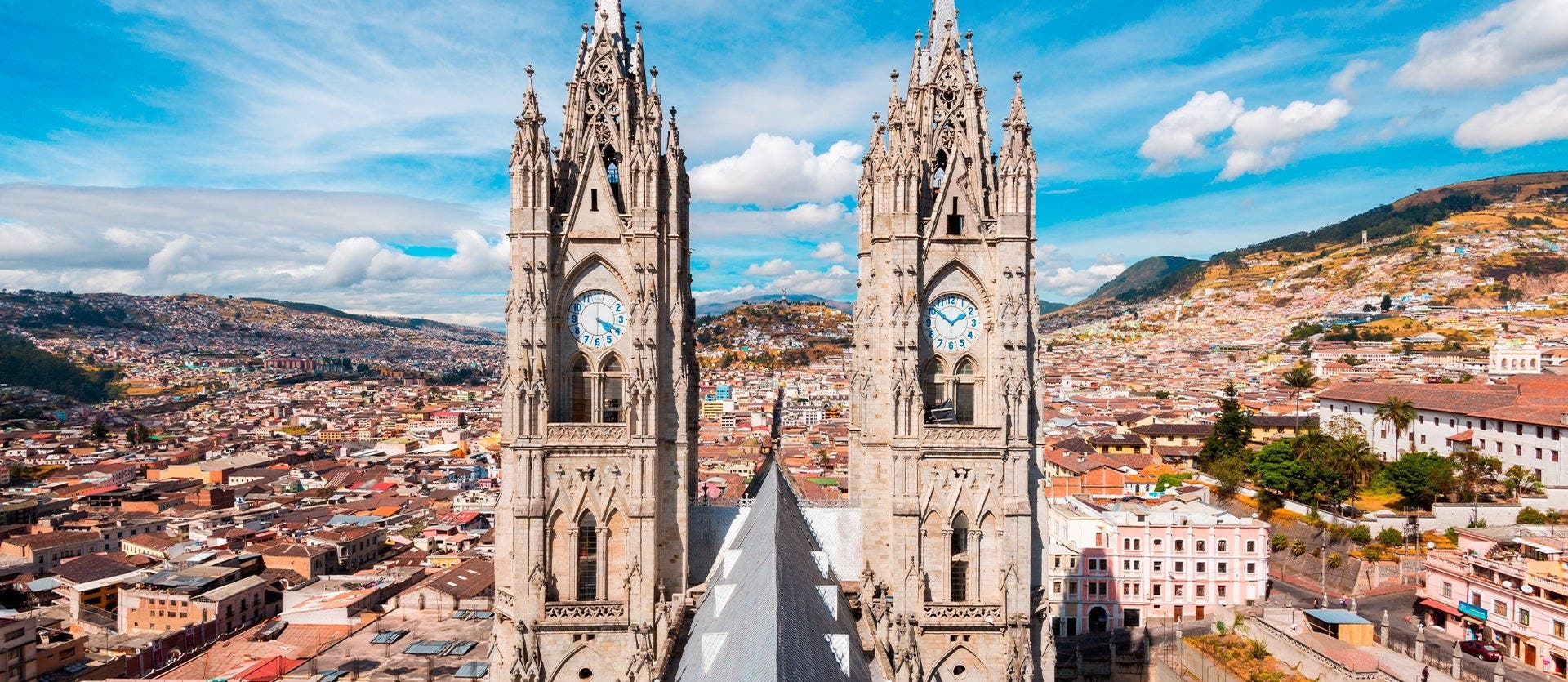
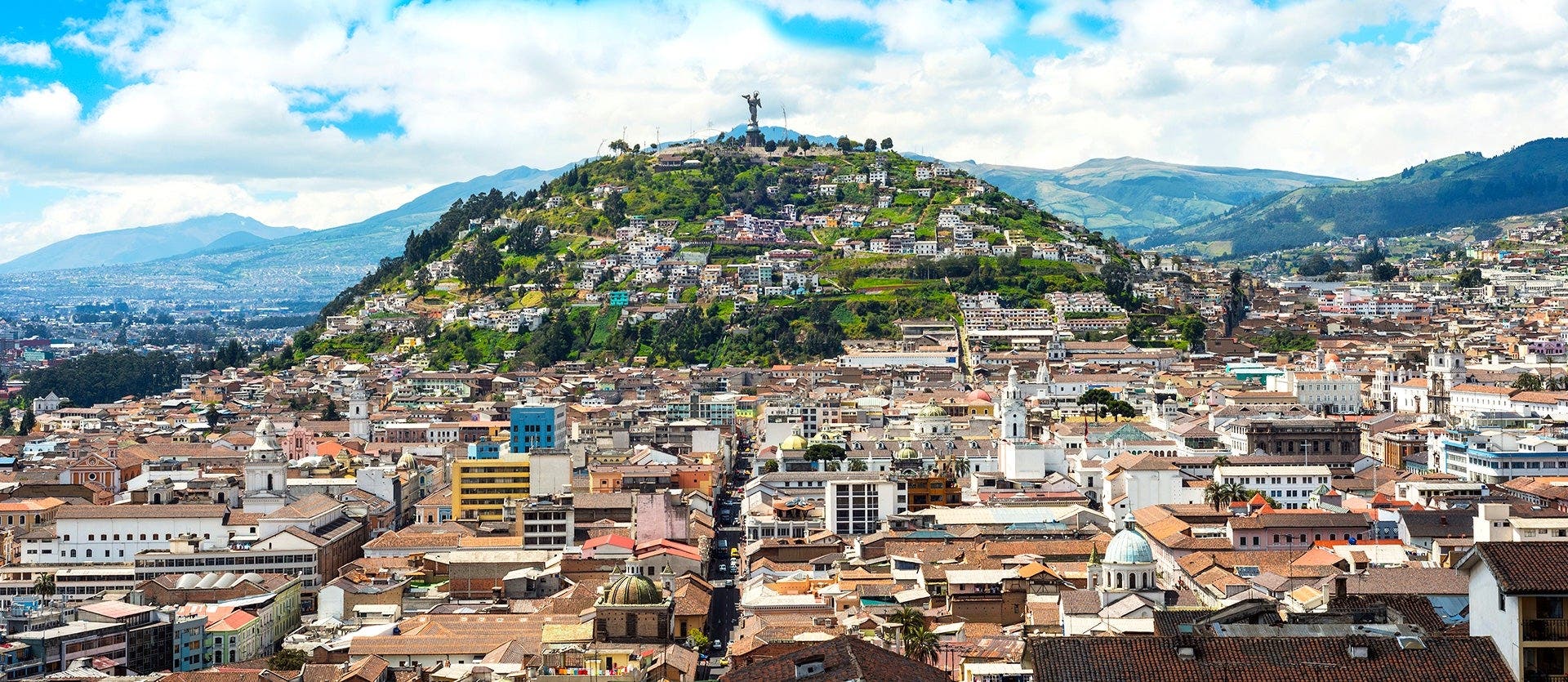
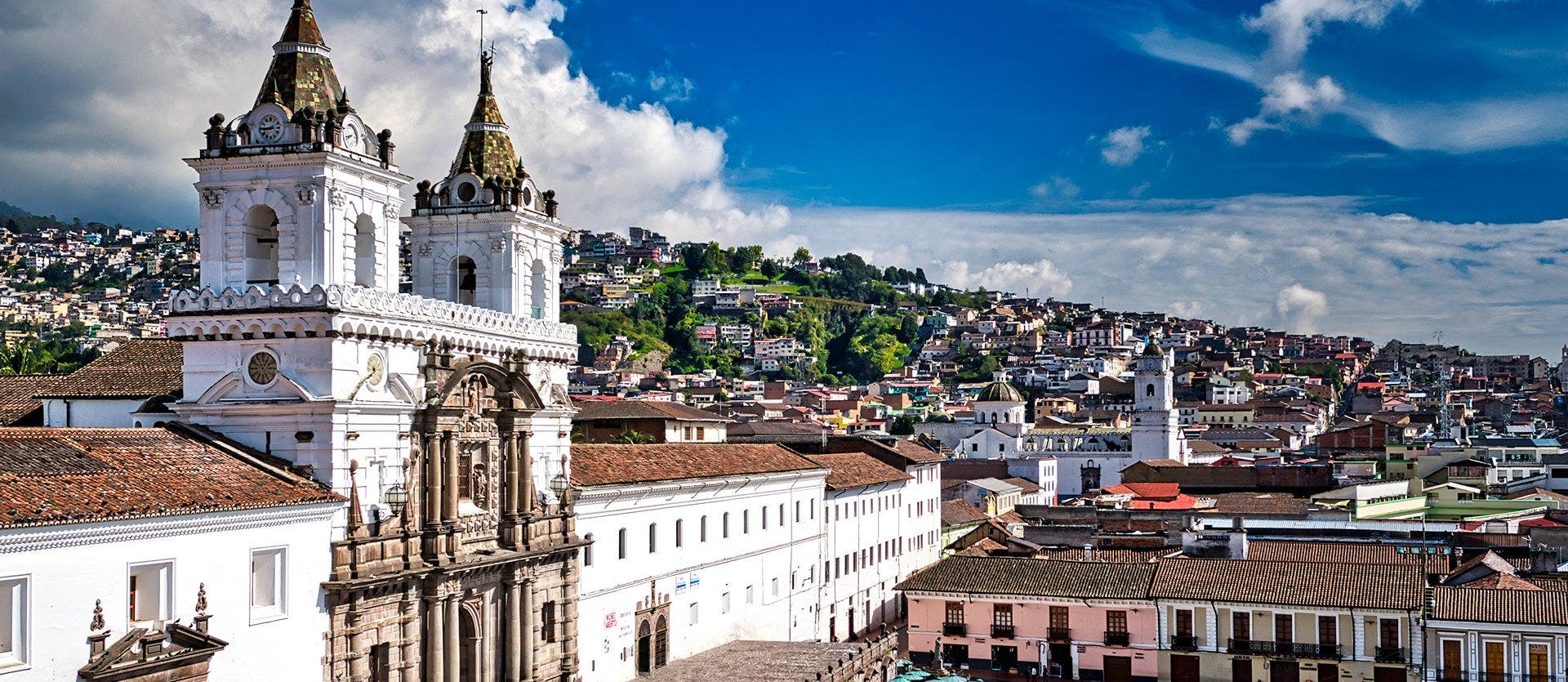
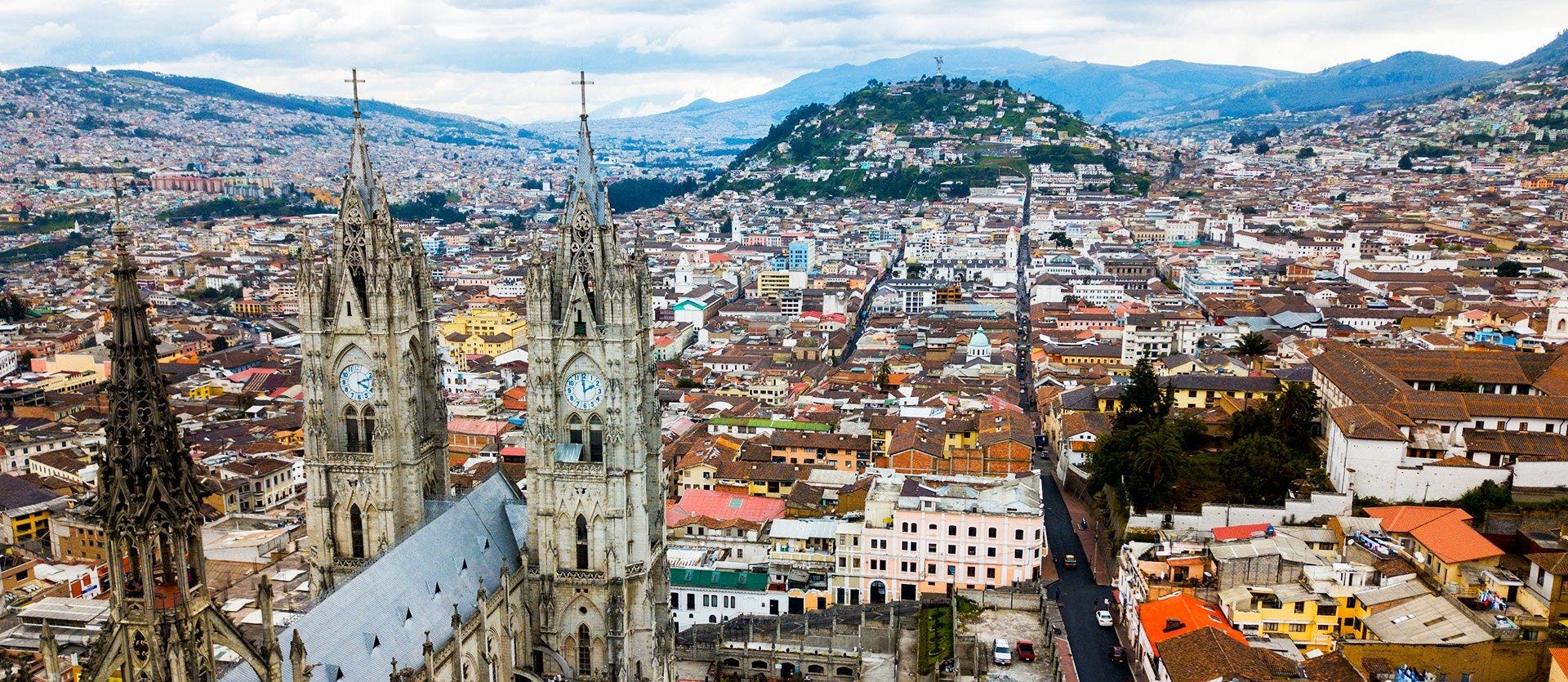
The islands can be reached by air from Quito or Guayaquil. Only four islands are inhabited. Puerto Ayora, on Santa Cruz Island, is the main settlement, while smaller communities can be found in Puerto Baquerizo Moreno on San Cristóbal, Puerto Villamil on Isabela Island and Puerto Velasco on Floreana Island.
San Cristóbal Island
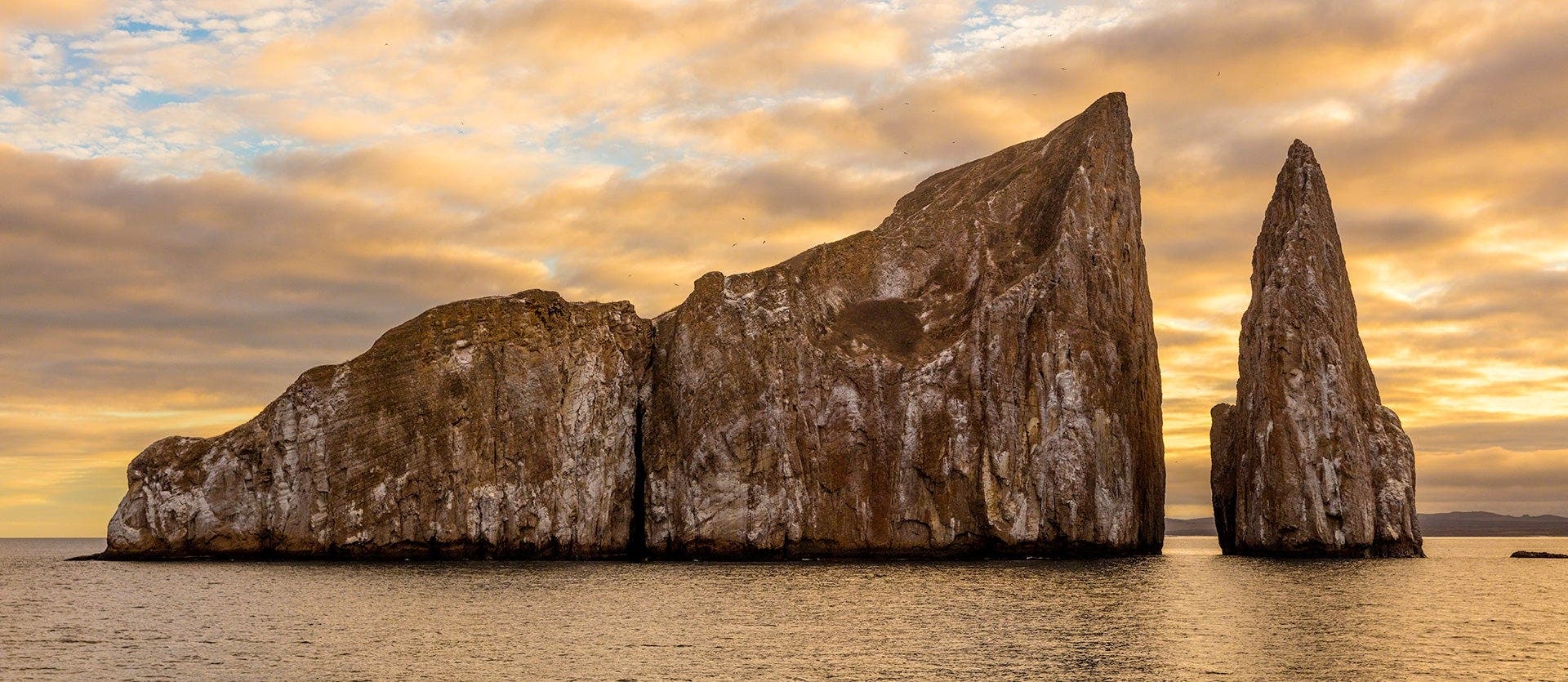
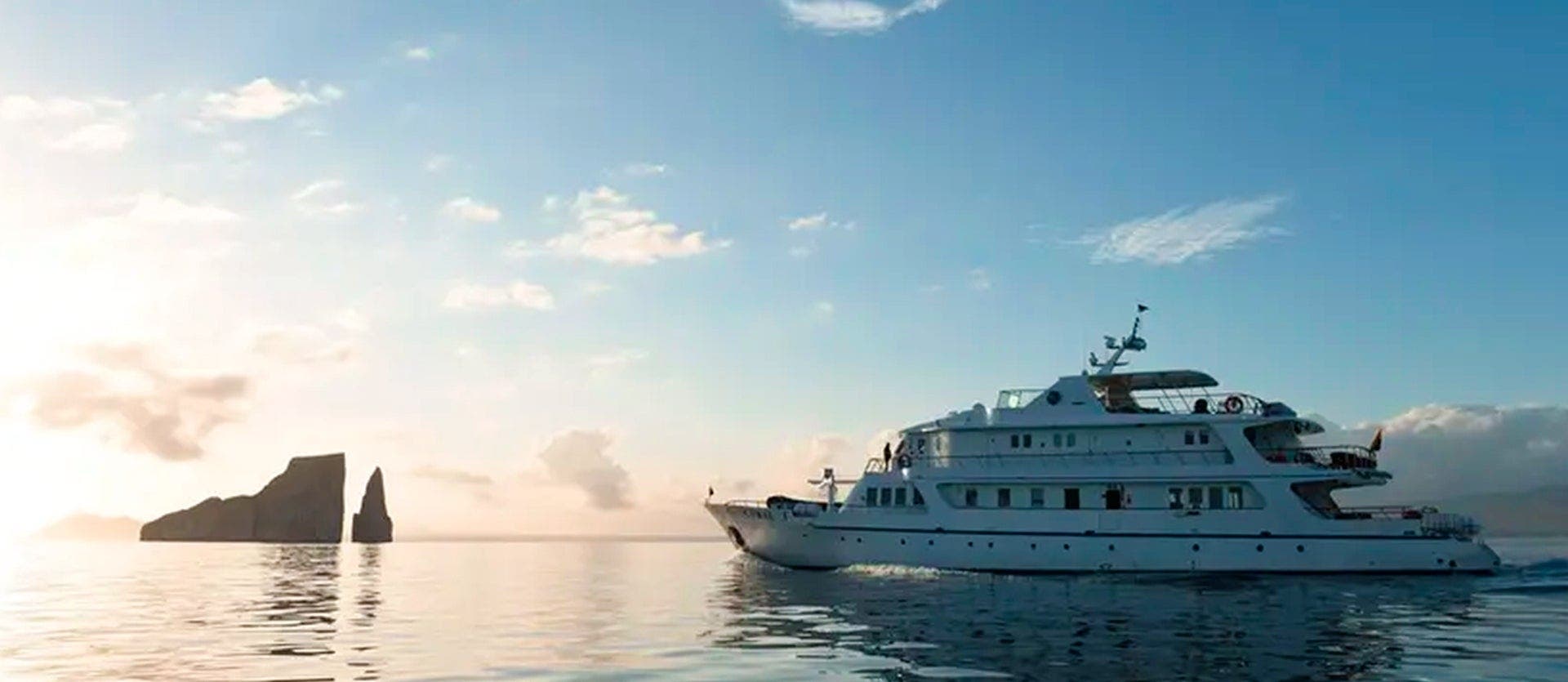
On San Cristóbal Island, lava landscapes create a setting often described as a petrified sea. Key sites include Playa Ochoa, Puerto Grande, León Dormido, Isla Lobos, Puerto Chino, the Galapaguera of Cerro Colorado, El Progreso, the Interpretation Center, Cerro Tijeretas, Mann Beach, Punta Carola and La Lobería.
Isabela Island
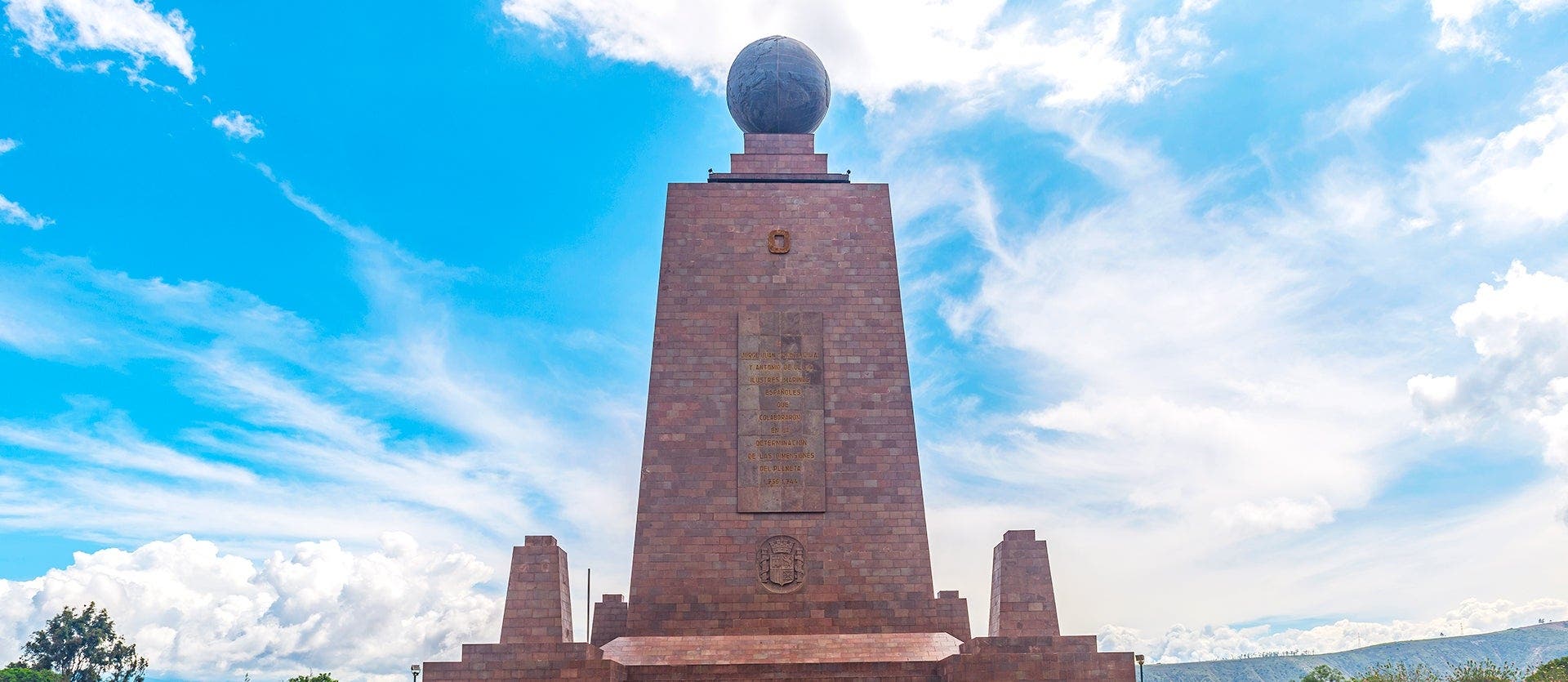
Isabela Island, the largest in the archipelago, presents a similar volcanic landscape. As you approach the Sierra Negra volcano, vegetation gradually disappears, replaced by recent lava flows and large cacti. The equatorial line crosses the northern part of the island.
Baltra Island
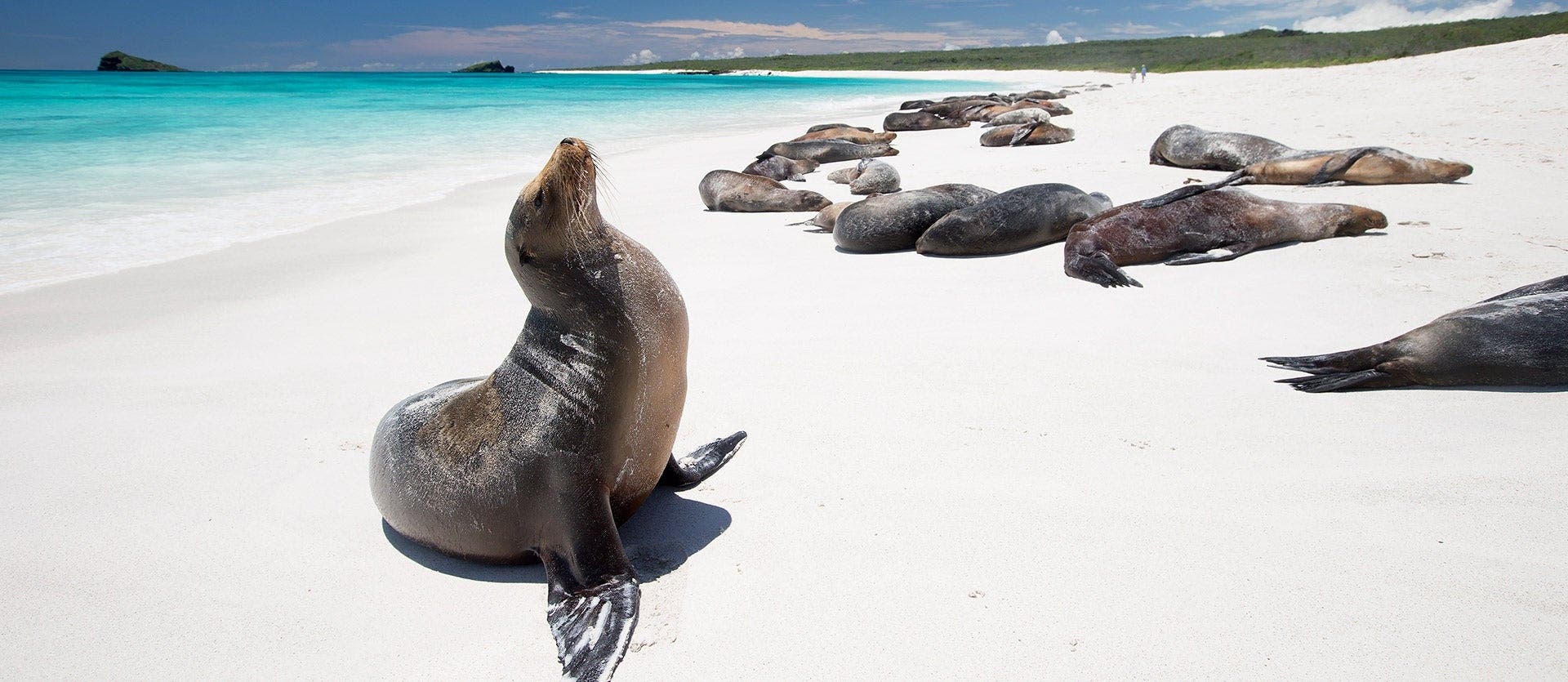
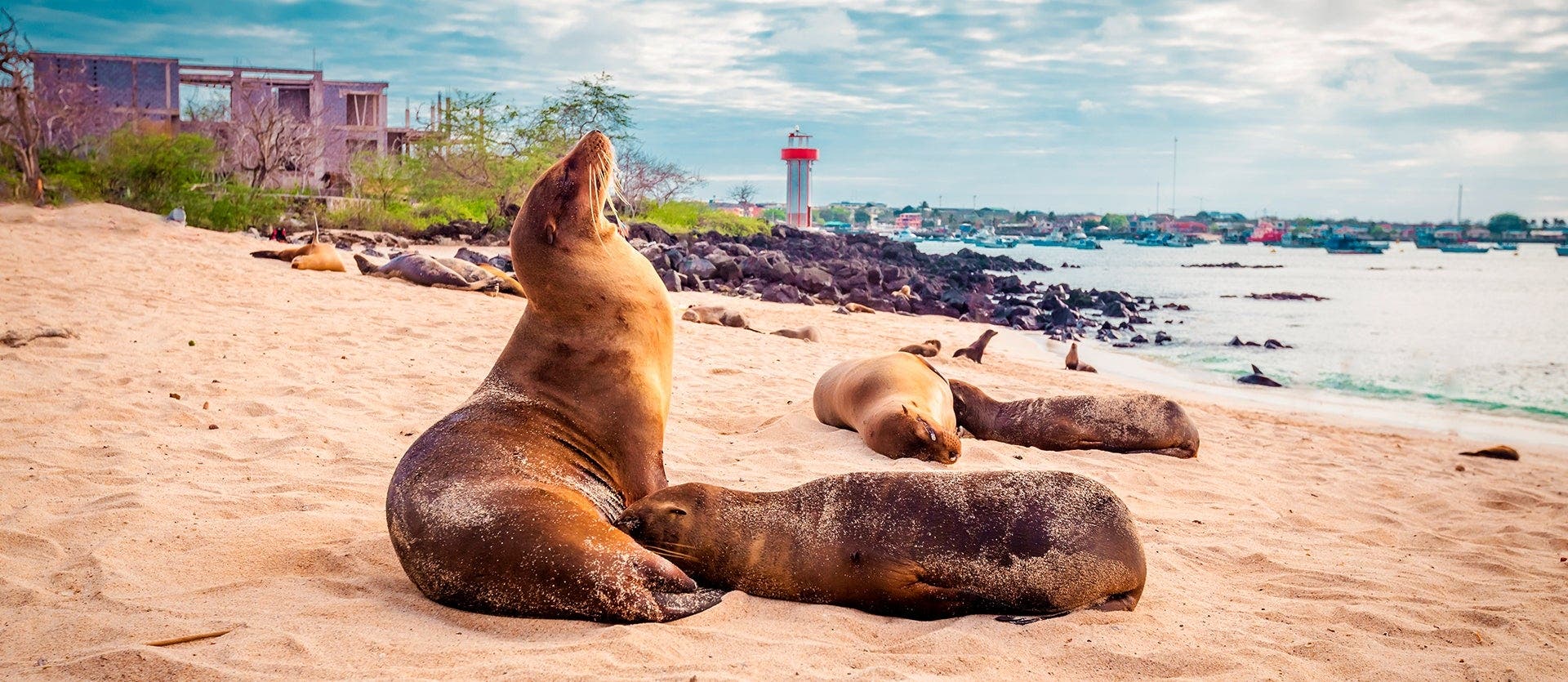
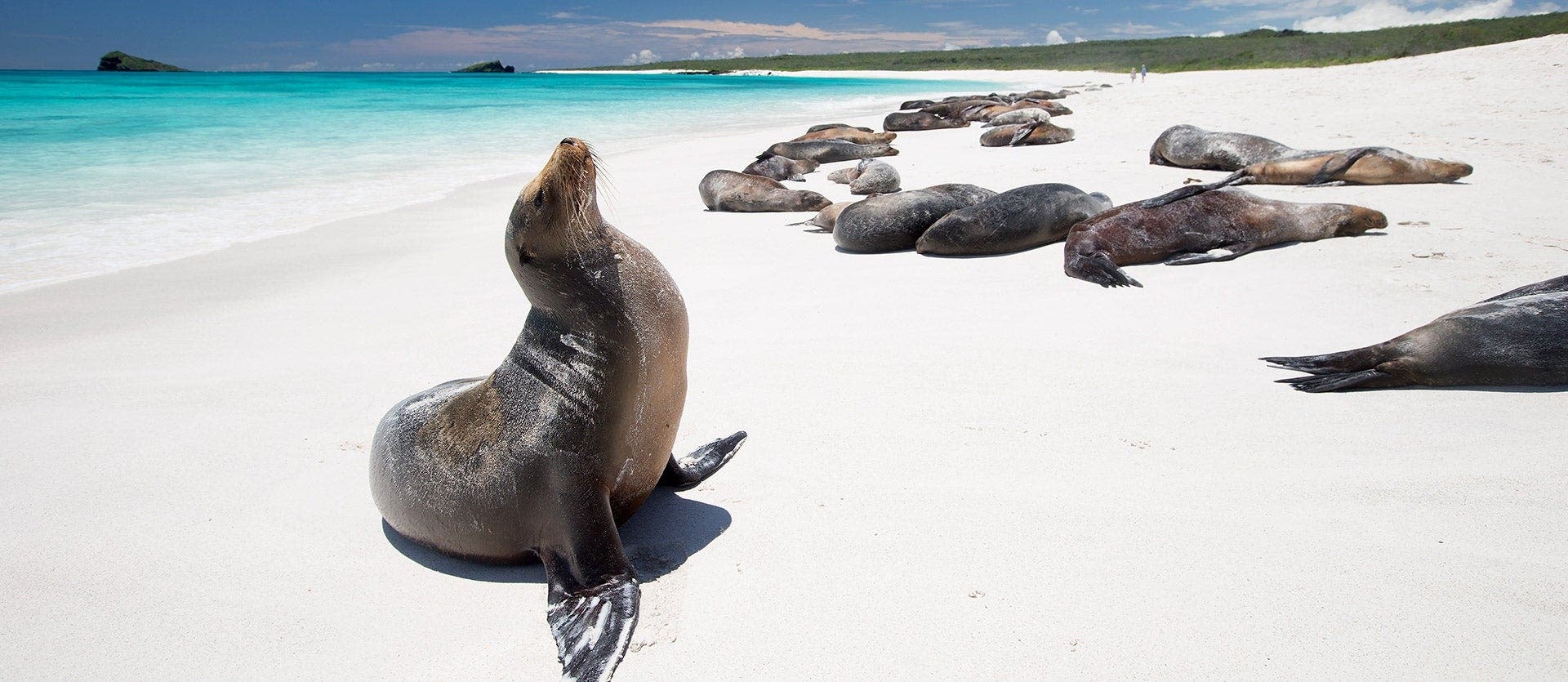
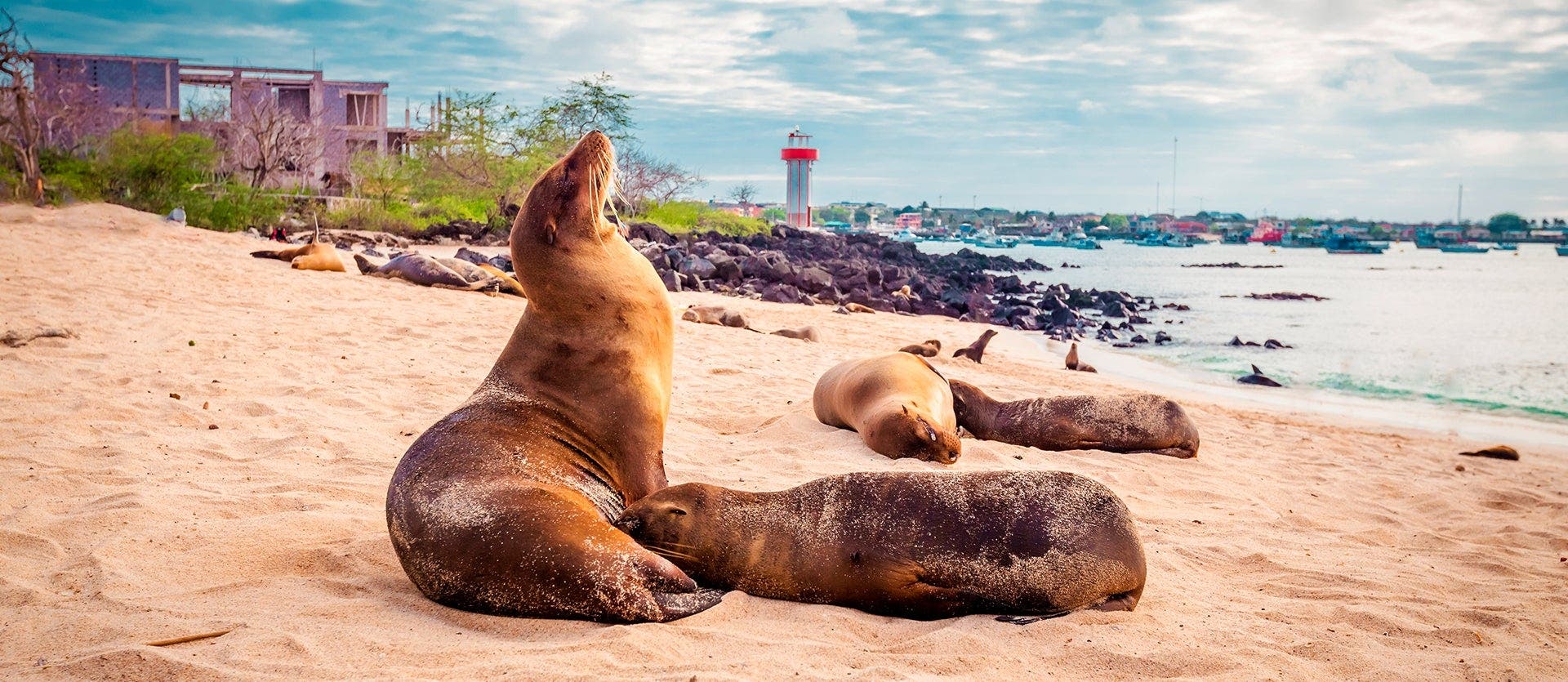
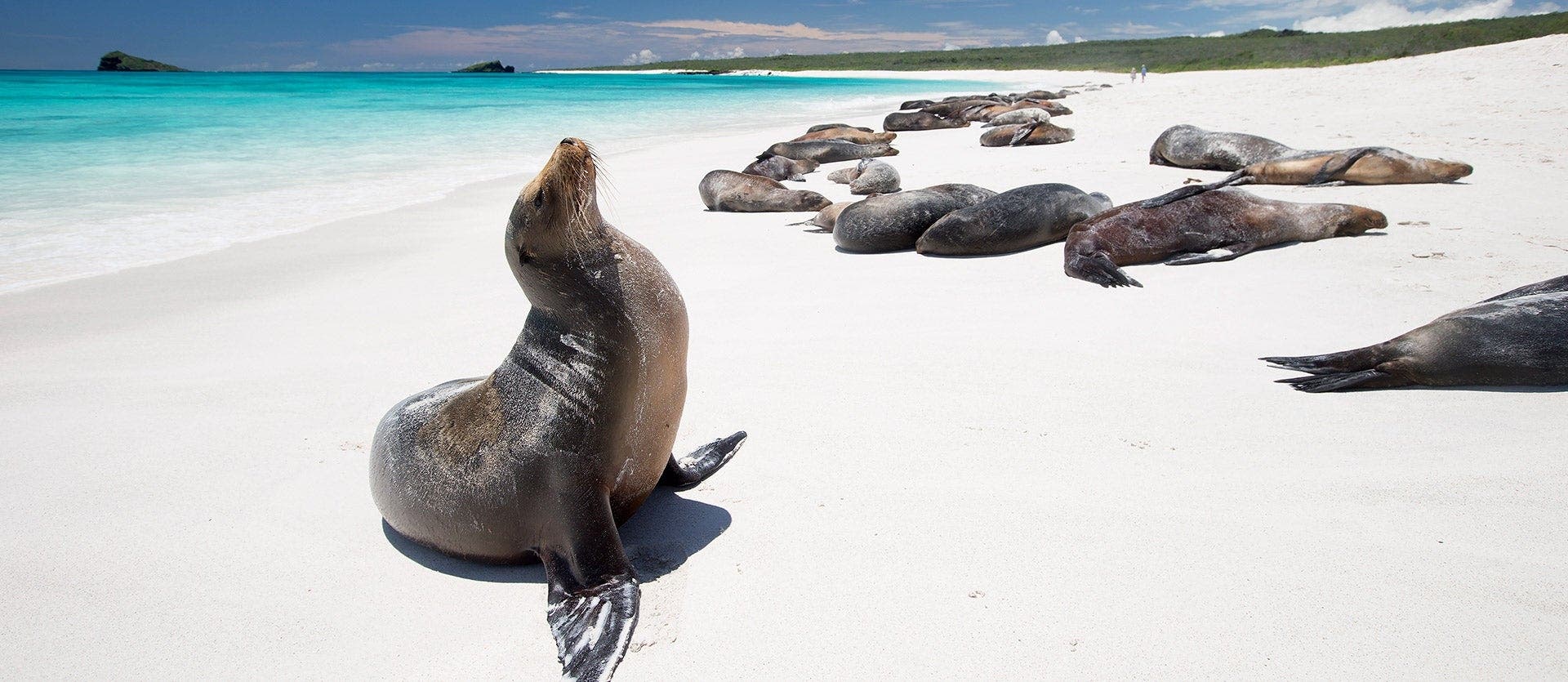
The main airport is located on Baltra Island. One of its most notable features is the narrow water channel that separates it from Santa Cruz Island, where sea lions, birds and endemic species can often be seen.
Bartolomé and the Plaza Islands
Bartolomé Island stands out for its volcanic formations in shades of red, orange, green and black. Pinnacle Rock and the twin bays, divided by an isthmus, are among its most visited locations. In the Plaza Islands, turquoise waters contrast with dark lava shores. Despite its small size, Plaza Sur supports a high concentration of wildlife, including land iguanas and swallow-tailed gulls nesting along the cliffs.
Wildlife and Biodiversity
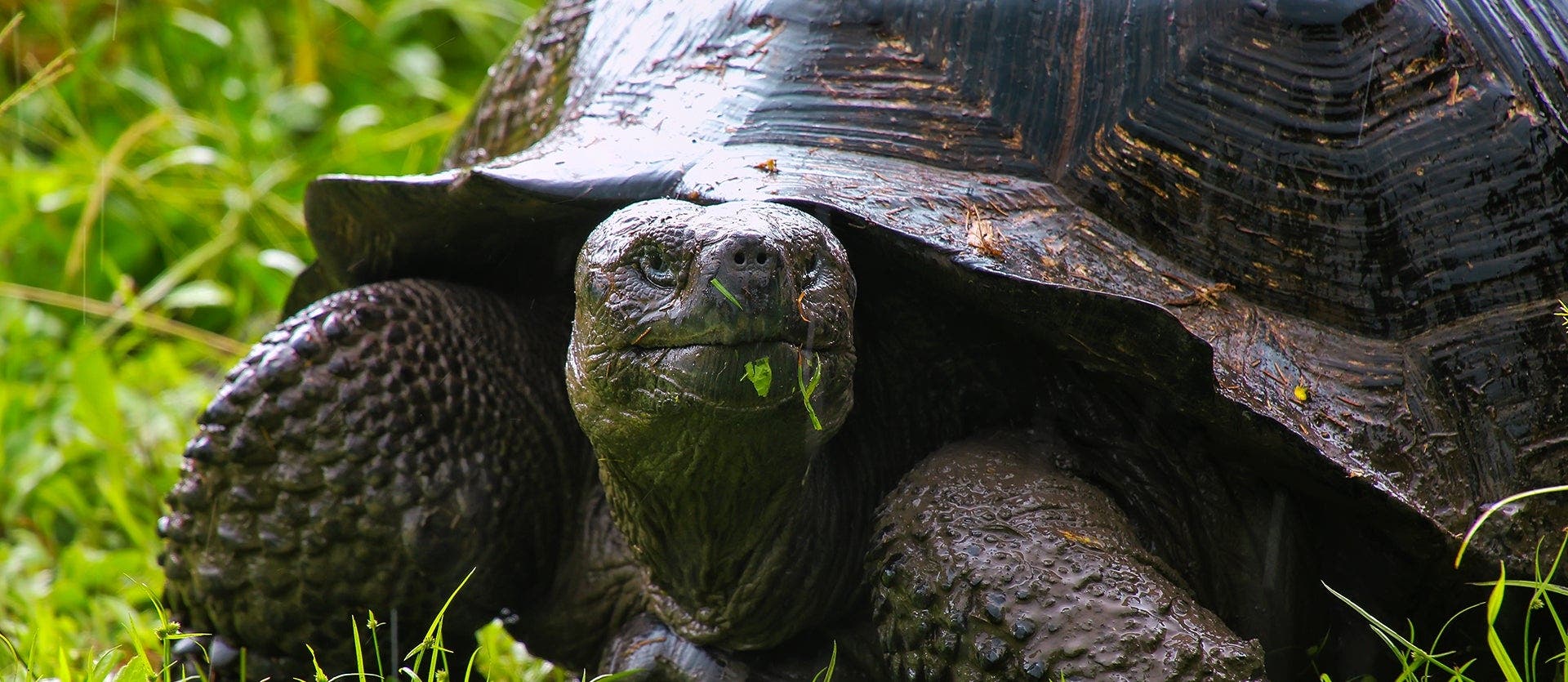
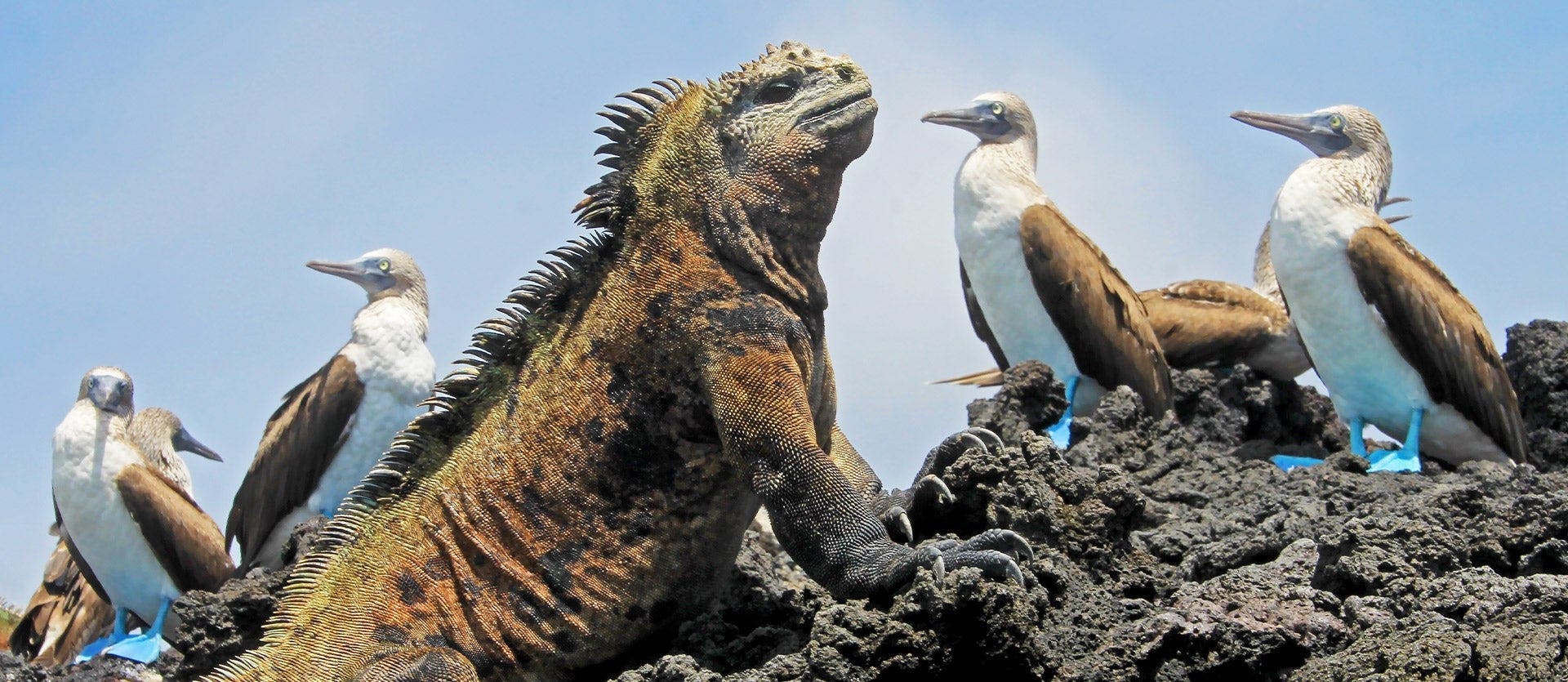
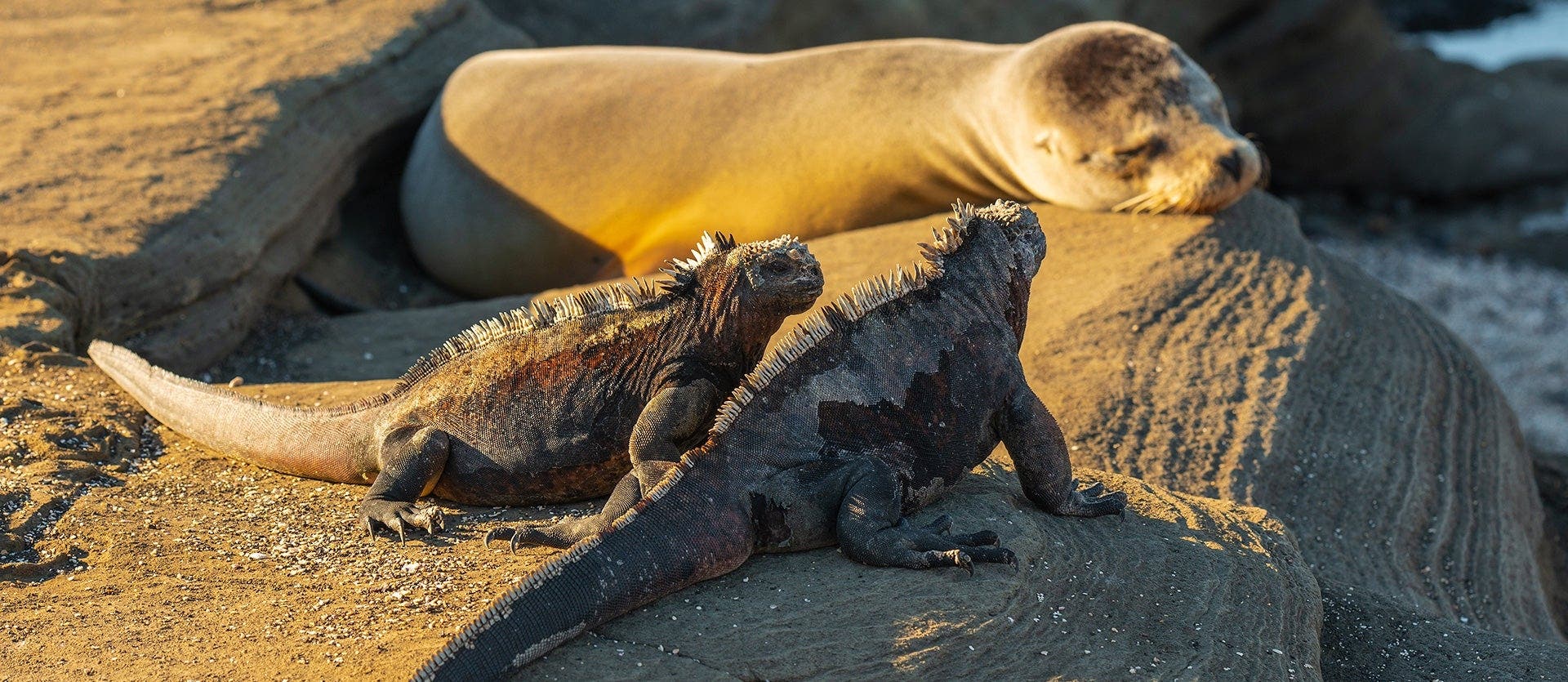
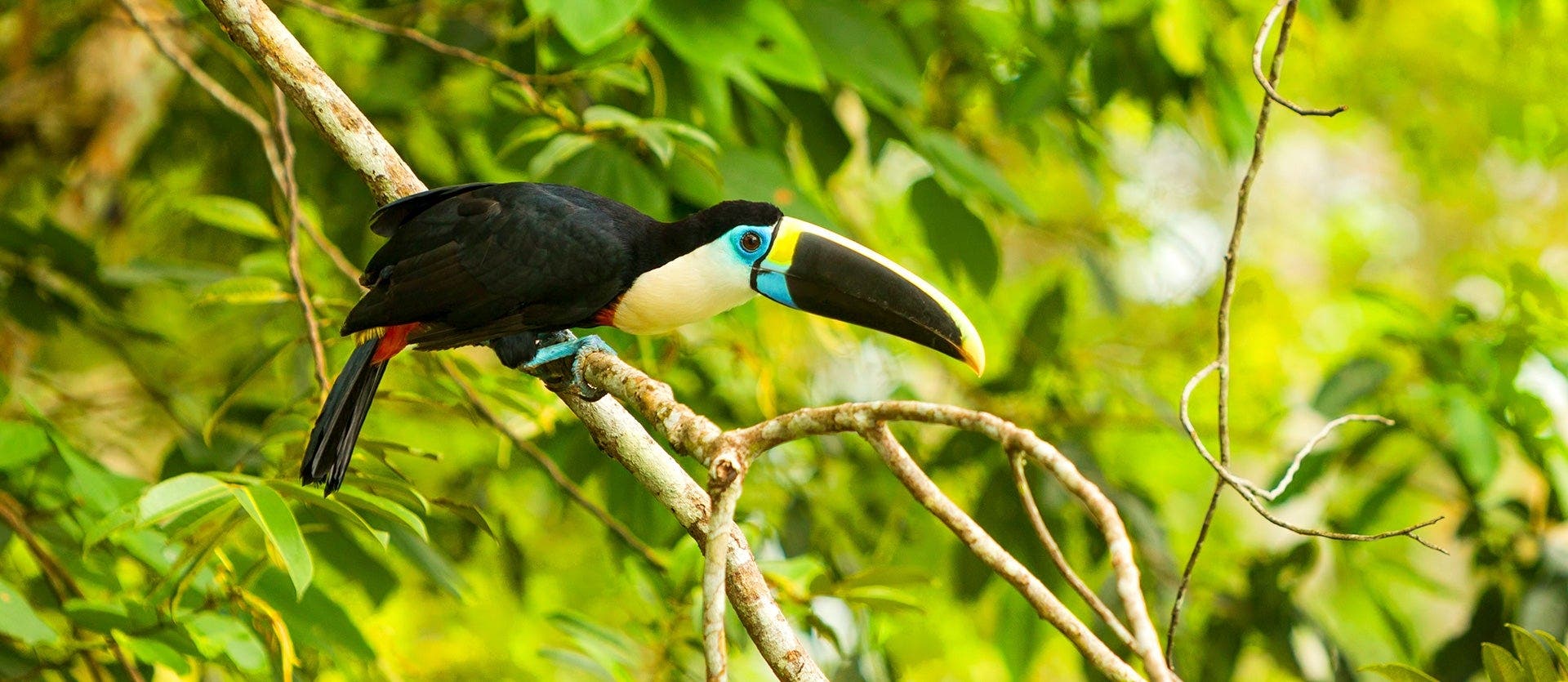
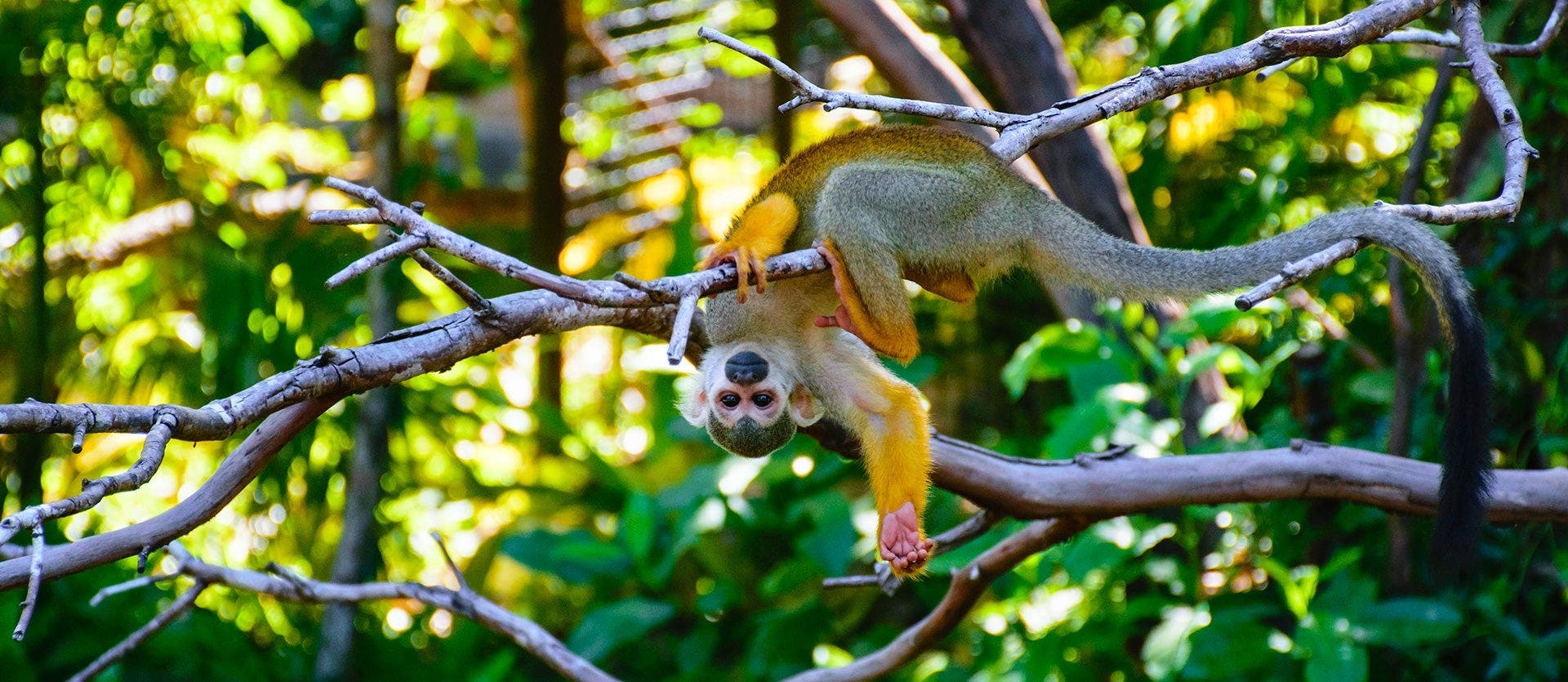
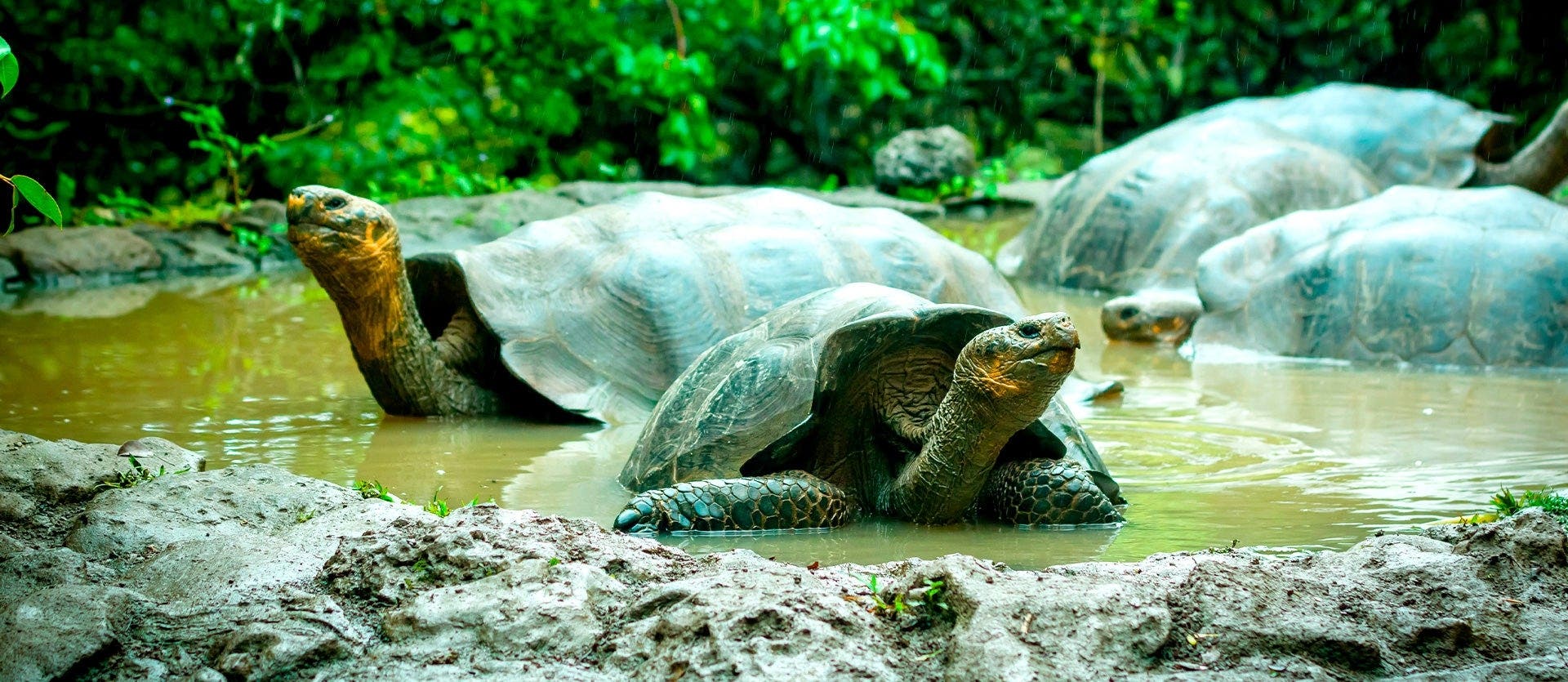
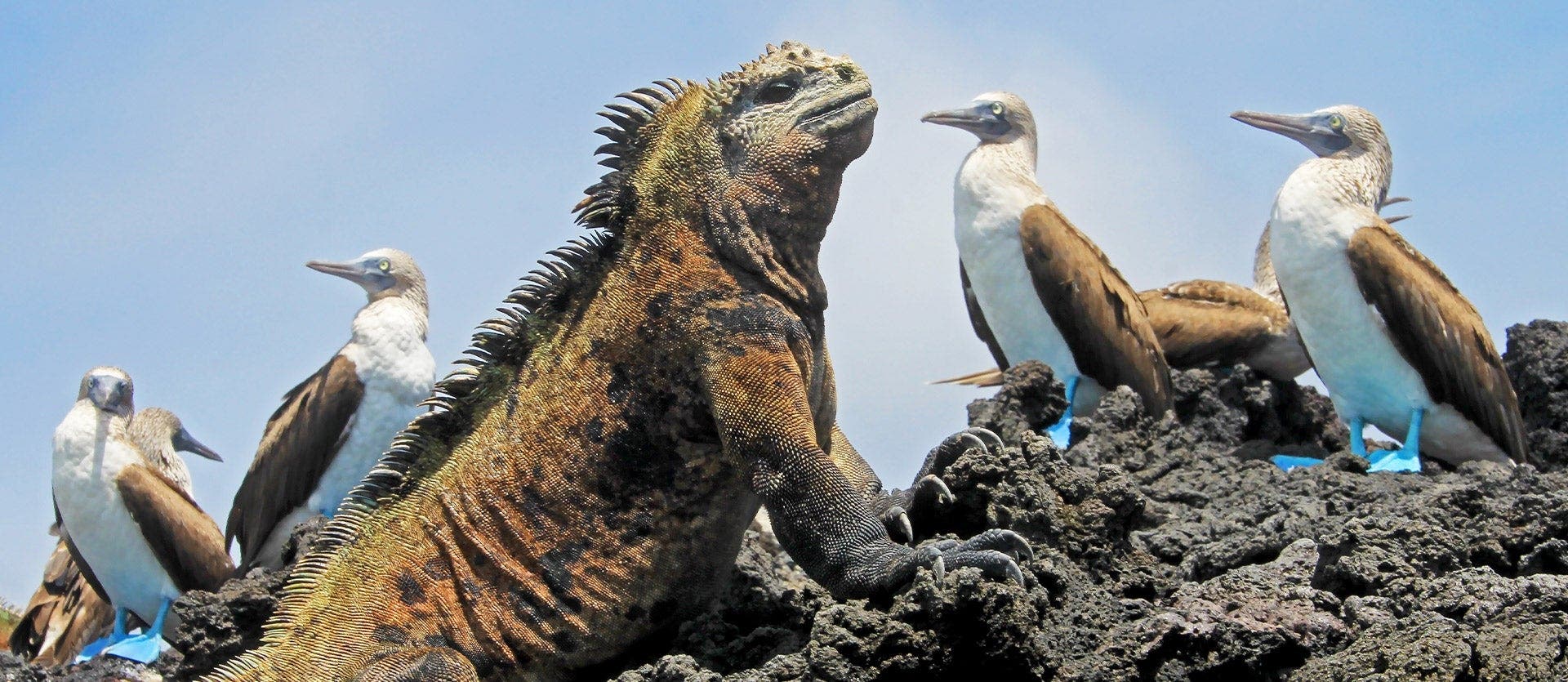
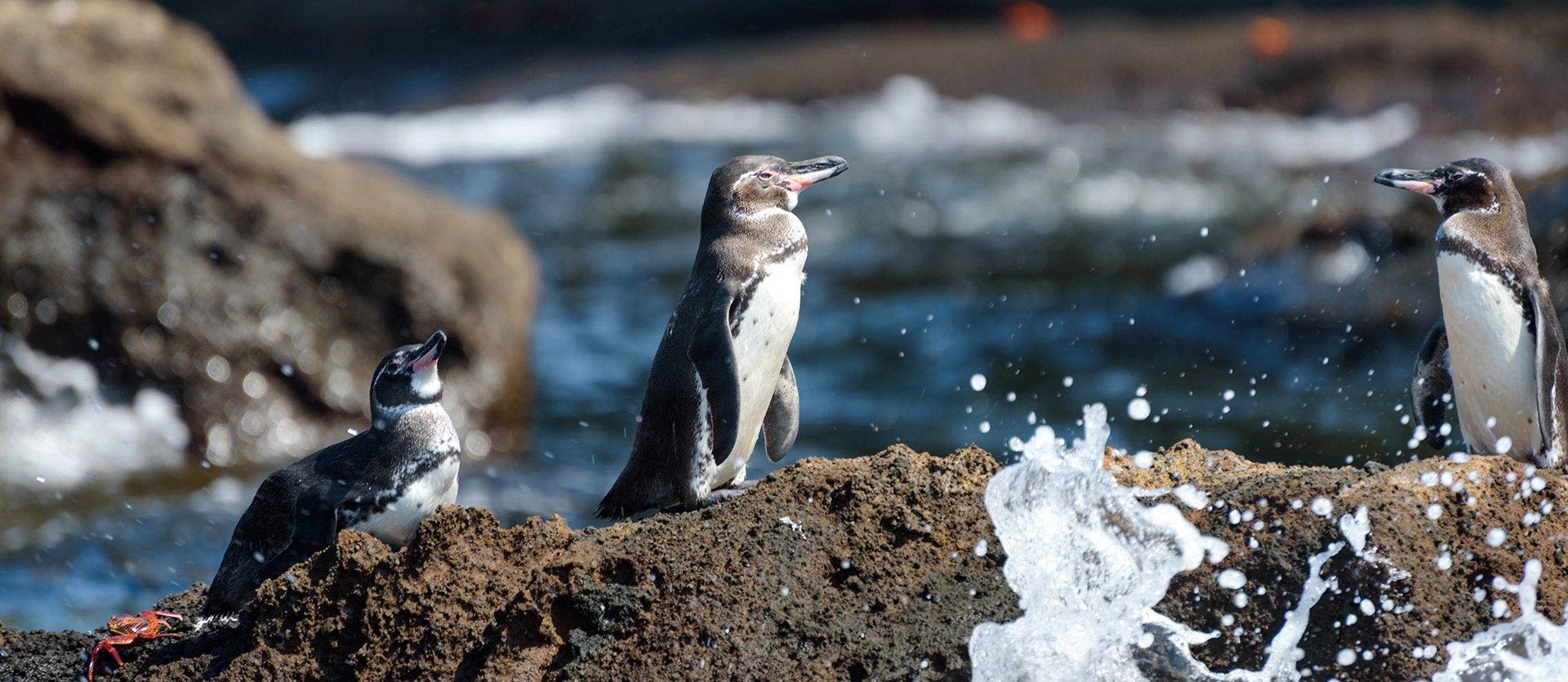
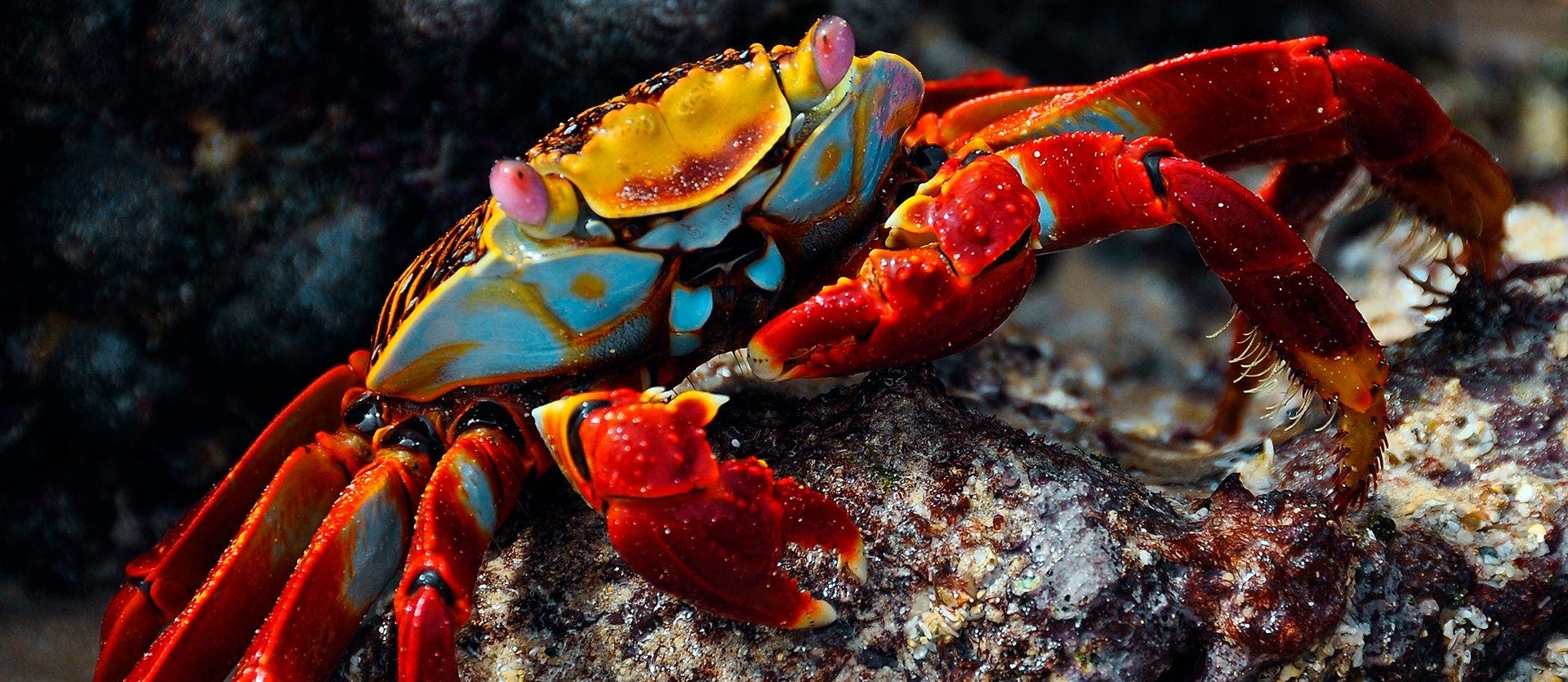
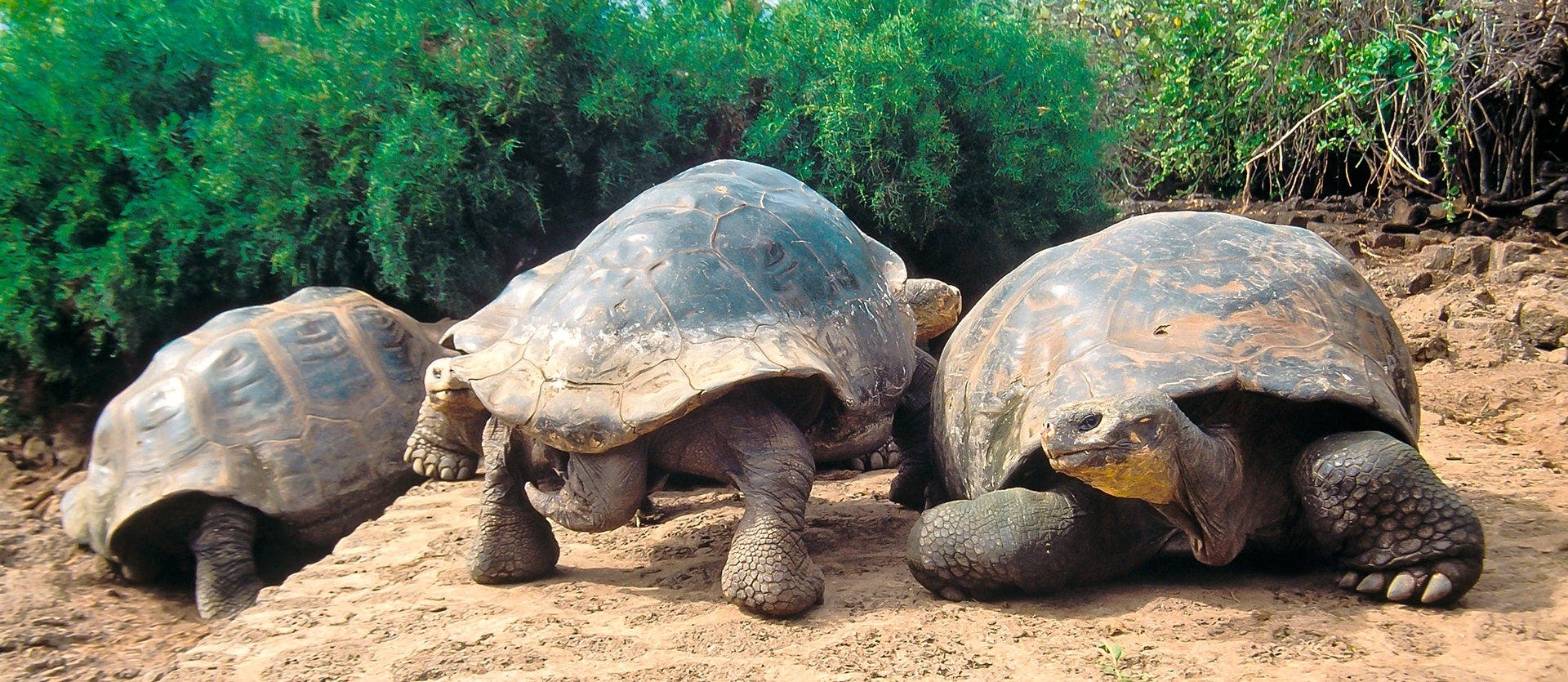
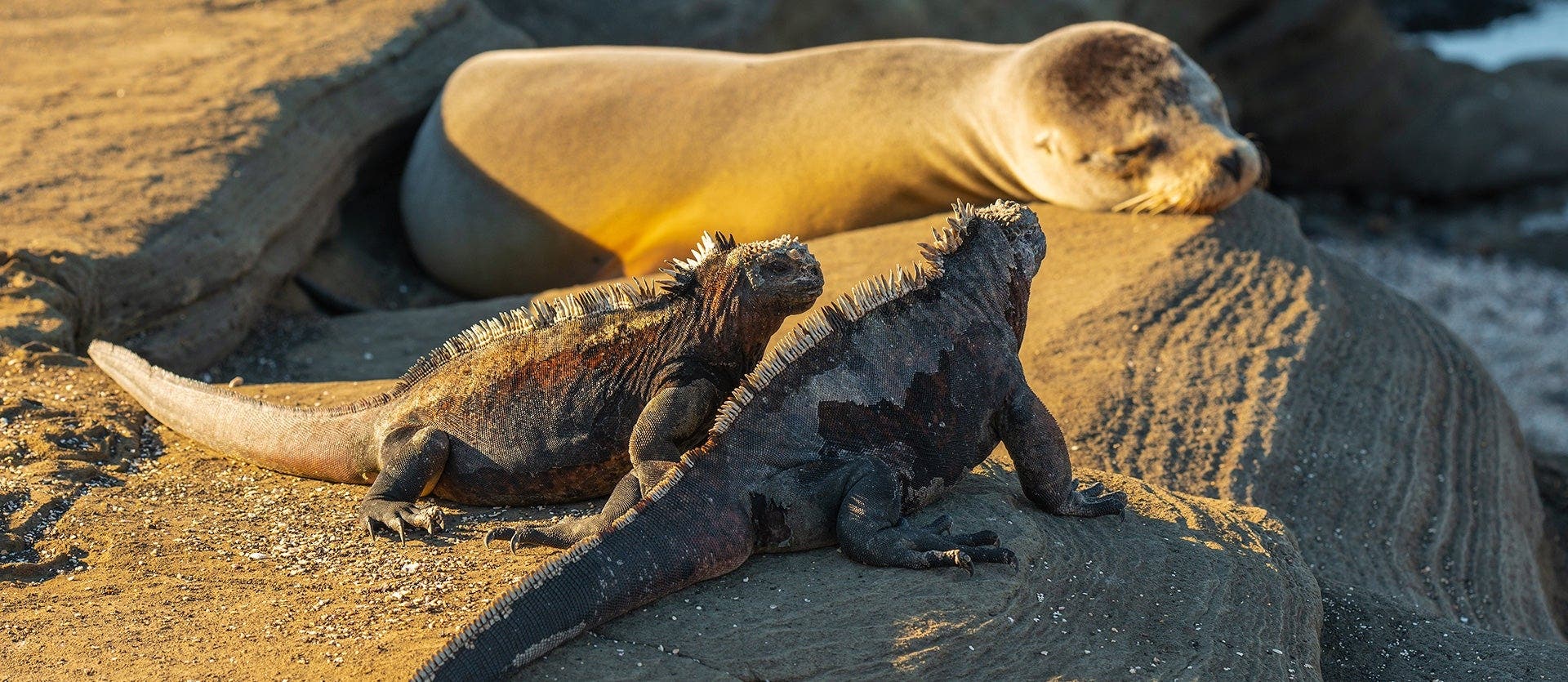
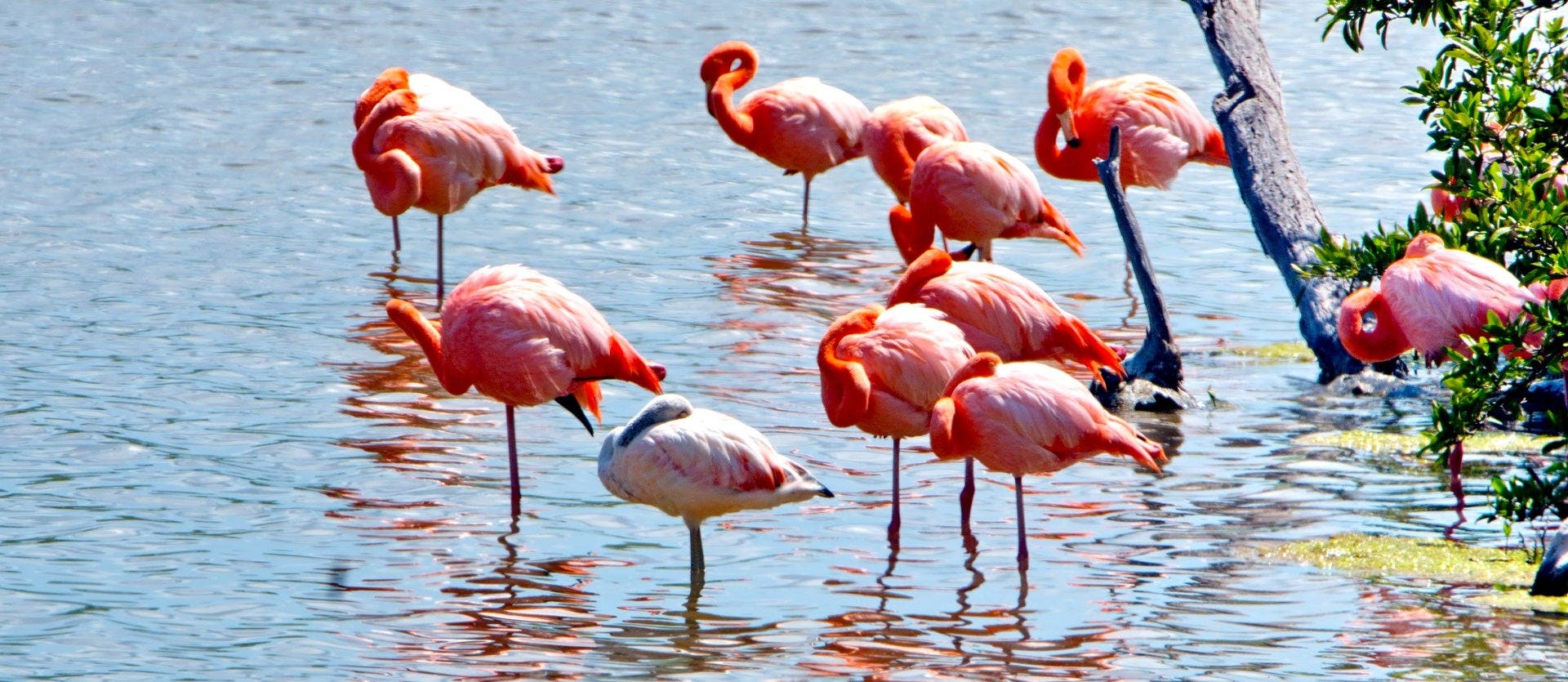
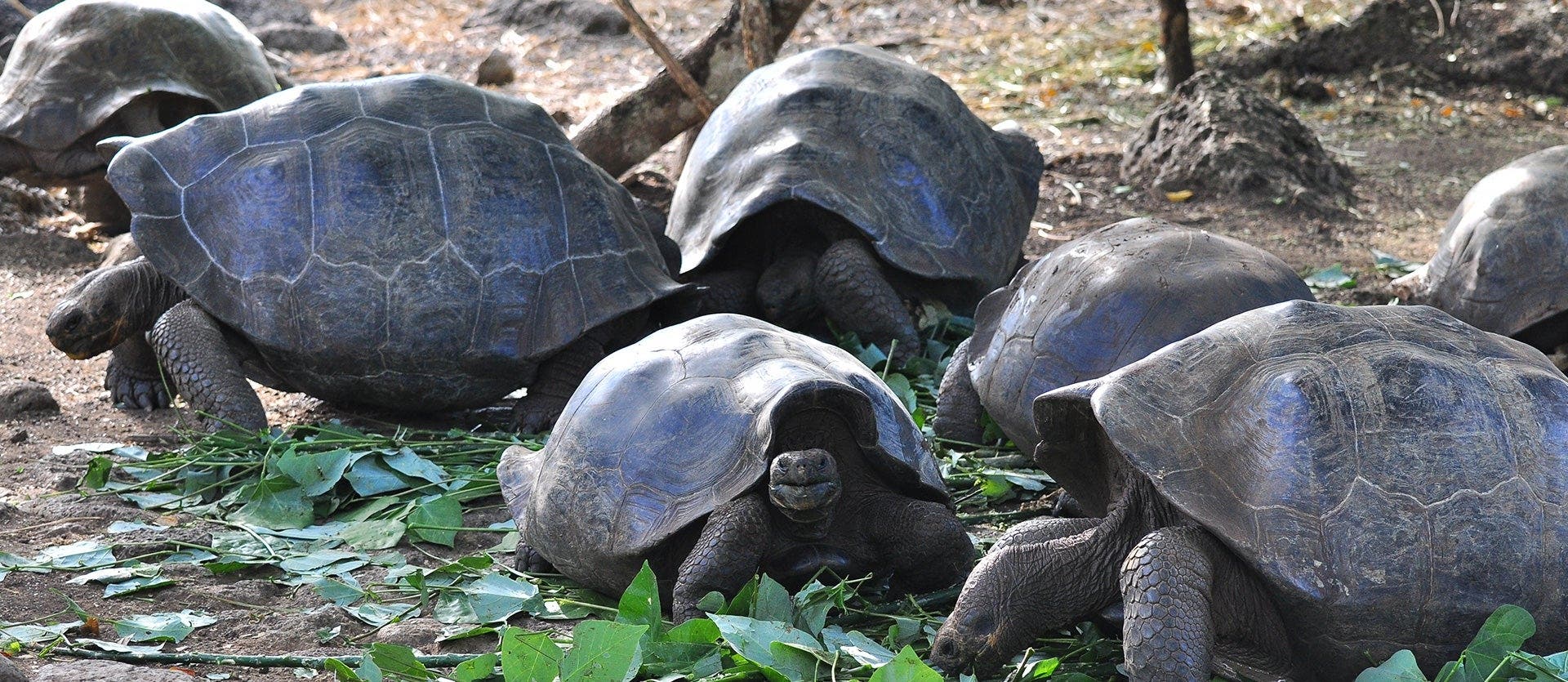
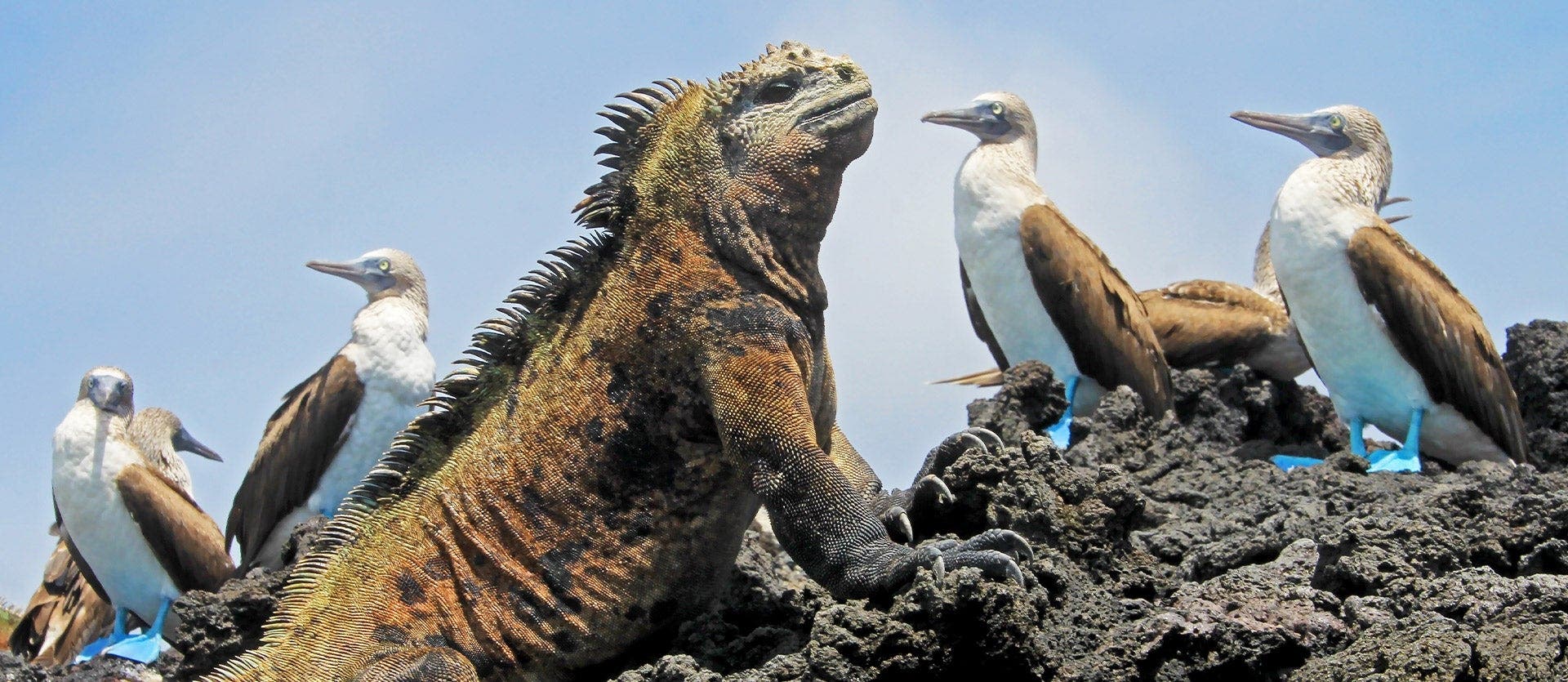
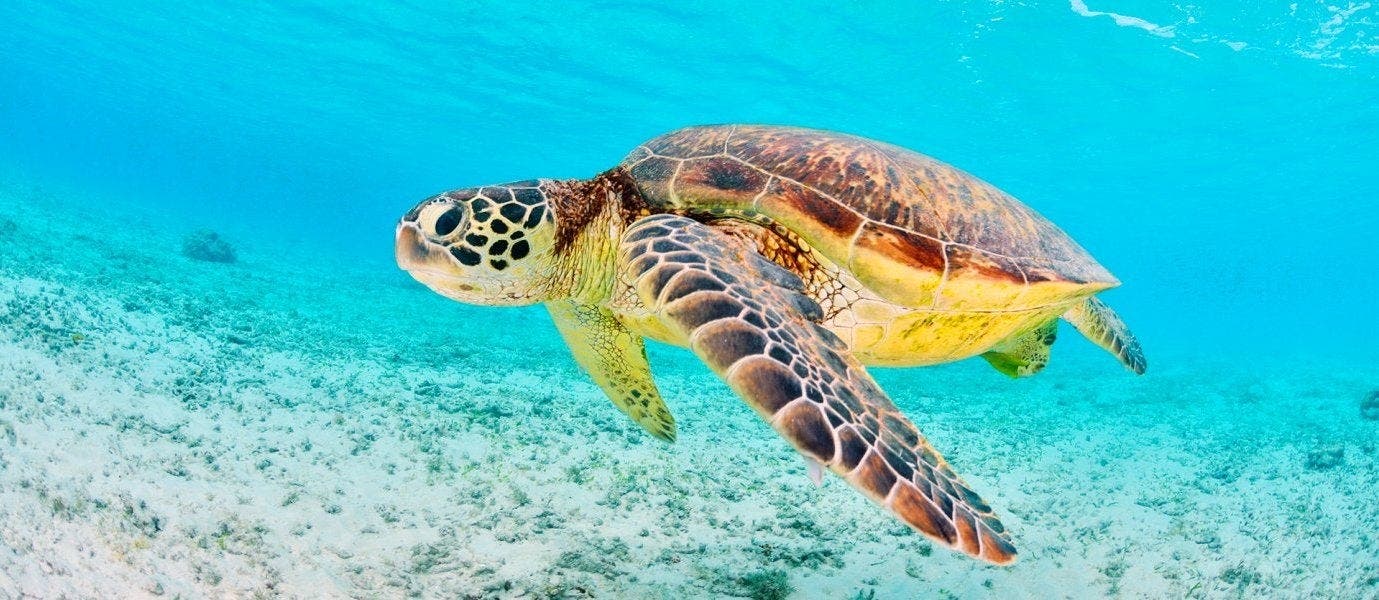
Formed over nearly five million years, the Galápagos host around two thousand endemic species. The islands are of particular interest to scientists and biologists due to their unique ecosystems. There are more than 200 endemic plant species, along with hundreds of native and introduced varieties. Wildlife includes sea lions, dolphins, Darwin’s finches, giant tortoises, marine and land iguanas, Galápagos penguins, frigatebirds, pelicans, blue-footed and red-footed boobies, albatross, as well as marine species such as seahorses, whales and hammerhead sharks.
A Lasting Travel Experience
Traveling to the Galápagos Islands encourages a closer connection between people and nature, where encounters are shaped by respect and observation. It is a destination that leaves a lasting impression on those who visit.