Smart Traveler Tips for Americans: Practical Advice for Visiting Peru
Planning a trip to Peru is much easier when you know what to expect day-to-day. This guide brings together the most useful practical tips for American travelers, from choosing reliable tour operators and staying organized with the right travel apps to understanding how transportation works, how to stay connected, and what to do if something goes wrong.
These insights are designed to help you travel more confidently and avoid common frustrations, especially if it’s your first time navigating Peru’s cities, mountains, and rural areas. For a broader overview of entry requirements, budgeting, and general planning, you can also explore the main Peru Travel FAQ hub, while our sections on Safety & Health, Altitude & Acclimatization, and Transportation & Itineraries offer more detailed support.
What to know before traveling to Peru?
Peru is safe, affordable, and diverse, but travelers should plan for altitude, varying climates, and local customs.
U.S. citizens and the majority of Western travelers don’t need a visa for visits under 90 days, but always verify entry policies before departure. Carry both cash (Peruvian soles, some U.S. dollars) and bank cards; ATMs and card acceptance are common in cities but limited in rural areas. Prepare for high-altitude conditions in places like Cusco: plan itinerary for gradual ascent, and bring any necessary medications. The climate varies from coastal desert in Lima to cool Andes and humid Amazon, so pack accordingly. Good travel insurance with medical evacuation is strongly recommended due to altitude and remote destinations.
Sources:
- Ministry of Foreign Trade and Tourism (MINCETUR, gob.pe)
- U.S. State Department Travel Advisory
- PromPerú
What not to bring to Peru?
Avoid bringing drugs, drones without permits, or single-use plastics to protected areas.
Peru’s customs regulations strictly prohibit illegal drugs, firearms, and undeclared valuables. Drones require explicit government authorization from the Ministry of Transport and Communications; use is forbidden around archaeological sites such as Machu Picchu and parts of the Amazon. Several national parks and reserves ban disposable plastics for conservation. Valuables and large cash sums should be left at home to minimize theft risk.
Sources:
- Peruvian Customs (SUNAT)
- Ministry of Environment Peru
- Ministry of Transport and Communications (MTC)
What should I pack for Peru?
Pack layers, waterproof gear, sturdy shoes, and sun protection.
Your packing list should include light clothing for Lima and the Amazon, insulated jackets for mountain regions like Cusco, and rain gear for sudden showers. Bring a sunhat, sunglasses, good sunscreen, and a reusable water bottle. A universal travel adapter (Type A/B to C outlets) is recommended. Keep photocopies or digital scans of important documents, including your passport and insurance.
Sources:
- PromPerú
- U.S. Department of State Travel Advice
Do I need power adapters in Peru?
Yes, if your plugs differ from Type A or B (U.S. style).
Peru operates on 220V/60Hz electrical current. Many hotels have dual or universal outlets, but a travel adapter is essential for devices from countries using other plug types. Most electronics like phones and laptops are dual voltage; verify before use.
Sources:
- PromPerú
- Ministry of Foreign Trade and Tourism (gob.pe)
How to use toilets in Peru?
Dispose of toilet paper in the bin, not the toilet.
Due to Peru’s old or narrow plumbing systems, waste bins are provided in all bathrooms, both public and private. Always bring tissues or wipes, as public restrooms may lack paper. Restrooms at bus terminals, tourist sites, and markets may charge a small fee of 1–2 soles.
Sources:
- PromPerú
- Local travel guides
Can I drink the tap water in Lima?
No, stick to bottled or filtered water.
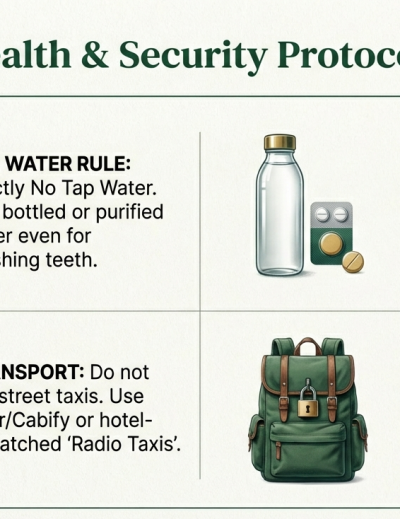
Lima’s municipal water is treated but often becomes contaminated through aged city pipes. Use only factory-sealed bottled water for drinking and brushing teeth. Always check the seal on bottles before purchase, and avoid ice in beverages unless made with purified water.
Sources:
- Ministry of Health Peru
- CDC Traveler’s Health
How to stay connected and safe online while travelling?
Use VPNs, secure Wi-Fi, and avoid public networks for sensitive tasks.
Wi-Fi is widespread in hotels and cafes but often unsecured, which can expose users to hacking risks. Install a reputable VPN for private browsing, especially when banking online or accessing confidential information. Store digital copies of key documents in secure cloud storage, enable device-finding apps, and use a local SIM for consistent 4G/5G coverage.
Sources:
- National Institute for the Defense of Competition and Protection of Intellectual Property (INDECOPI), Peru
- U.S. Embassy Lima Consumer Protection Tips
How do I do laundry while traveling in Peru?
Use hotel laundry or local laundromats, cheap and fast.
Lima, Cusco, and Aguas Calientes have ample laundry services, with typical prices of 4–7 soles per kilogram and same-day or next-day turnaround. Most hotels offer in-house laundry at higher rates. Washing in sinks is discouraged due to slow drying in mountain humidity.
Sources:
- PromPerú
- Local tourism offices
Is it safe to use drones in Peru?
Yes, but drones require prior government authorization.
Drones must be registered with the Ministry of Transport and Communications (MTC). Strict no-fly zones protect archaeological, natural, and military sites—flights over Machu Picchu and the Amazon reserves are strictly forbidden. Unauthorized drone use can result in fines and equipment confiscation.
Sources:
- Ministry of Transport and Communications, Peru
- Peruvian National Service of Natural Protected Areas (SERNANP)
Can I bring coca tea or souvenirs back to the US?
No, coca products are illegal to import into the U.S.
Coca tea and leaves are legal and popular in Peru but are classified as controlled substances in the U.S. All coca products will be confiscated by U.S. Customs upon arrival. You can bring back coffee, textiles, and wood crafts, but avoid anything made from animal parts or Pre-Columbian artifacts to comply with customs and wildlife regulations.
Sources:
- U.S. Customs and Border Protection
- Peruvian Customs (SUNAT)
How much should I budget daily in Peru?
Budget $70–$150 per day for mid-range travel.
Low-budget travelers can get by on $40-$60/day (hostels, street food). Mid-range travelers should expect $70-$150/day, including hotel, tours, and transport. Luxury options start at $250+. Internal flights typically cost $50–$100, and meals average 25–40 soles ($6–$10) in standard restaurants.
Sources:
- PromPerú
- Ministry of Foreign Trade and Tourism (gob.pe)
- US Department of State
What are the emergency numbers in Peru?
Dial 105 (Police), 116 (Fire), or 117 (Ambulance).
For urgent care, major clinics serving foreigners include Clínica Anglo Americana (Lima) and O2 Medical Network (Cusco). The U.S. Embassy emergency line is (01) 618-2000. Carry your travel insurance policy and medical info at all times while traveling.
Sources:
- Ministry of Health Peru
- National Police of Peru (PNP)
- U.S. Embassy Lima
How do I acclimatize safely before hiking?
Rest, hydrate, avoid alcohol, ascend gradually, and consider coca or medication.
Spend your first 24 hours at moderate altitude (the Sacred Valley) before moving to highland hikes. Hydration and rest are key; skip alcohol, tobacco, and heavy meals at first. Coca tea and prescription acetazolamide (Diamox) or local Sorojchi pills can help, with doctor’s approval.
Sources:
- CDC Traveler’s Health
- Ministry of Health, Peru
- PromPerú
How do I find reliable tour operators in Peru?
Look for locally based, well-reviewed operators with clear safety, environmental, and community standards.
Seek agencies accredited by Peruvian tourism authorities or those with global sustainability certifications. Locally staffed teams keep your expenditures in the community. Compare inclusions—Machu Picchu entry and Inca Trail spots are limited and need advance booking.
Sources:
- MINCETUR (Ministry of Tourism)
- PromPerú
- International Tourism Quality Standards
Hidden costs include medication, side-hike permits, bathroom fees, tips, and travel insurance.
In addition to tickets and guides, budget separately for:
- Altitude medication,
- Bathroom use (pay toilets at entrance),
- Extra permits for peak hikes (Huayna Picchu, Machu Picchu Mountain),
- Tips (generally $18–24 for guides and porters on treks),
- Comprehensive travel insurance (strongly recommended with Andean altitude/terrain).
Sources:
- PromPerú
- Ministry of Culture, Peru
- International travel medical advisories
What are the best travel apps to use in Peru?
Use Uber/Cabify (rides), Google Maps (navigation), WhatsApp (communication), Maps.me (offline), and a translation app.
Uber, Cabify, and inDrive offer safe rides in Lima/Cusco; WhatsApp is standard for local communication. Download Google Maps and Maps.me offline for Andean or Amazon areas with poor signal. Translation (Spanish, Quechua) apps and Wise cards help with both language and payments.
Sources:
- PromPerú
- US Embassy safety guidance
- Local tech reviews
What’s the emergency contact for the US Embassy in Lima?
The emergency contact for the U.S. Embassy in Lima is +51-1-618-2000.
Store this with other key numbers: 105 (police), 116 (fire), and 117 (ambulance). The embassy can replace lost passports, advise on arrests, and coordinate crisis response.
Sources:
- U.S. Embassy Lima official site
- US State Department Travel Advisory
How can I avoid tourist traps in Cusco or Lima?
Avoid overpriced, hyper-touristy venues by using trusted operators, comparing prices, and steering clear of high-pressure sales.
Use recommended taxi apps and avoid street taxis. Compare prices in shops and stalls, and book tours with reputable agencies. Haggle reasonably in open markets and beware of counterfeit goods, inflated prices, or suspiciously “premium” alpaca products.
Sources:
- Ministry of Tourism (MINCETUR)
- PromPerú
- US Embassy Lima
How can I experience authentic Peruvian culture beyond the main tourist circuit?
Spend time in local markets, rural Andean towns, festivals, and lesser-known regions like Northern Peru or Lake Titicaca.
Explore Lima or Cusco neighborhoods outside the standard tourist zones. Visit markets, observe rituals (like offerings to Pachamama), and plan side trips to less-visited sites such as Kuelap, Gocta, or the Amazon. Always ask before taking photos and learn a few basic Spanish or Quechua greetings for a warmer welcome.
Sources:
- PromPerú
- Ministry of Culture
- Unesco regional site register
How accessible is Peru for travelers with mobility issues?
Major sites like Machu Picchu and Cusco’s historic center can be visited with limited hiking, but uneven terrain and altitude make planning essential.
Trains and buses minimize walking; some Machu Picchu circuits are flat and benches are available, though some steps and uneven areas exist. Use walking poles with rubber tips (metal-tipped poles are not permitted). Consult a doctor before travel—seniors or those with pre-existing conditions should acclimate gradually.
Sources:
- Ministry of Culture, Peru
- PromPerú
- International Accessible Travel Guides
What should I know about restroom facilities and public hygiene standards?
Expect paid public toilets, no flushing paper, and tap water that isn’t safe to drink.
Most public toilets charge 1–2 soles, provide a trash bin for used paper, and may lack toilet paper—carry your own tissues and sanitizer. Tap water is not potable; stick to bottled or filtered water and be careful with ice. Bring a small plastic bag for trash or hygiene emergencies.
Sources:
- PromPerú
- Ministry of Health, Peru
How do I stay safe on buses and trains with luggage?
Use reputable companies, keep valuables with you, and avoid flashing expensive items.
Choose premium-rated bus companies for safety (e.g., Cruz del Sur, Oltursa). Always keep passports, money, and electronics on your person or within sight. Night buses are riskier—government employees are advised against night intercity travel. Trains to Machu Picchu are generally safe, but disruptions from protests/landslides are possible; flexible itineraries and travel insurance help manage risks.
Sources:
- Ministry of Transport and Communications (MTC), Peru
- PromPerú
- US Embassy Lima Safety Bulletins
With a few smart habits, the right tools, and an understanding of local logistics, traveling in Peru becomes smooth and stress-free. Most challenges, whether it’s managing altitude, avoiding tourist traps, choosing transportation, or staying connected, can be handled easily with the preparation outlined in this guide.
Once you’ve reviewed these practical tips, continue planning your trip with our in-depth FAQs on Peru’s culture and etiquette, Food & Drinks, and Machu Picchu, which cover the most common concerns travelers face on the ground. With thoughtful planning and an informed approach, your journey through Peru will be easier, safer, and far more enjoyable.