Where to travel in September from Canada
Labour Day has come and gone, the kids are back in school, and the Canadian summer is winding down. But in much of the world, September is just getting started as one of the best months to travel: the punishing summer heat has broken in the Mediterranean and the Middle East, the dry season is peaking in East Africa and the Andes, and the Northern Lights are returning to Iceland’s dark skies. Add fewer crowds and lower prices almost everywhere, and September becomes one of the smartest months on the calendar to book a trip.
Here are 8 of the best places to travel in September, chosen for real, verifiable seasonal reasons, not just because they’re nice any time of year.
Quick comparison: where to go in September
| Destination | Why September | Good for |
|---|---|---|
| South Africa | Peak whale watching season and Cape wildflower bloom | Wildlife, coastal scenery |
| Kenya & Tanzania | Great Migration river crossings still in full swing | Safari, beach add-on |
| Peru | End of the dry season, clear skies over Machu Picchu | History, trekking |
| Jordan | Summer heat breaks; warm Red Sea for swimming | Desert, history |
| Iceland | Northern Lights season begins; mild shoulder-season weather | Nature, aurora hunting |
| Portugal | Grape harvest in the Douro Valley; warm Atlantic coast | Wine, coastal cities |
| Greece | Aegean Sea at its warmest of the year; ferries still frequent | Islands, history |
| Croatia | Adriatic warmer than midsummer; Dubrovnik far less crowded | Coastal cities, lakes |
South Africa: whales, wildflowers and wildlife
September is arguably the single best month to be in Cape Town. It’s peak whale watching season along the Whale Coast: southern right whales, migrated up from Antarctica to calve, are at their most numerous around Hermanus, with mothers and calves visible from the cliffs most days. At the same time, South Africa’s dry winter landscape bursts into colour as the Namaqualand wildflower season peaks along the West Coast. Inland, September still falls within the dry season that makes game viewing in the Kruger region reliable, with animals concentrated around waterholes.
Exoticca’s Cape & Kruger Explorer combines a Kruger safari with Cape Town sightseeing, putting both of September’s big draws on one itinerary.

Kenya & Tanzania: the Great Migration, up close
The wildebeest migration’s most dramatic river crossings peak between August and September, when the bulk of the herd has crossed into Kenya’s Maasai Mara. September specifically offers a rare combination: the crossings are still happening, predator activity is high, and the crowds of peak migration season have started to thin compared to August. It’s widely considered one of the two or three best months of the year to witness it.
Exoticca’s Luxury Safari & All-Inclusive Zanzibar covers Kenya’s top parks, including the Maasai Mara, before finishing with an all-inclusive stay on Zanzibar’s beaches.

Peru: the last of the dry season
September sits at the tail end of Peru’s dry season, which runs roughly May through September. That means clear skies over Machu Picchu, dry trails through the Sacred Valley, and comfortable daytime temperatures in Cusco (typically the high teens Celsius), even as nights stay cool. It’s also shoulder season, so while Machu Picchu and Cusco remain popular, the crowds are noticeably lighter than during the June-to-August peak, and spring is arriving in the Andes, with orchids blooming and hummingbirds more active.
Exoticca’s Sacred Land of the Incas covers Lima, the Sacred Valley, Cusco and Machu Picchu itself.

Jordan: past the summer heat
Jordan’s brutal summer heat starts to ease in September, particularly at altitude. Amman and Petra, both sitting at higher elevations, cool to a genuinely comfortable range for a full day of sightseeing, while rain remains essentially nonexistent. Down at the Dead Sea and in Aqaba, it stays properly hot during the day, which is exactly what keeps the Red Sea at its warmest for swimming and snorkelling. It’s a rare month where you can comfortably hike Petra’s Siq in the morning and float in the Dead Sea in the afternoon without either extreme working against you.
Exoticca’s Wonders of the Hashemite Kingdom takes in Amman, Jerash, Ajloun Castle, Petra and a night in the Wadi Rum desert.

Iceland: the Northern Lights return
Iceland’s skies stay too bright for the aurora to be visible through the summer, but that changes in September, when the nights turn dark enough again for the Northern Lights season to properly begin. The autumn equinox in late September is a genuine bonus: geomagnetic activity tends to be higher around the equinoxes, which means September’s auroras can be stronger than average. Daytime weather is still relatively mild for Iceland, main roads remain easy to drive, and the summer crowds have thinned out considerably.
Exoticca’s From Glaciers & Waterfalls to Hot Springs covers the Golden Circle, the South Shore’s waterfalls, and the volcanic Snæfellsnes Peninsula.

Portugal: harvest season on the Douro
September is grape harvest season across Portugal’s wine regions, and nowhere more scenically than the terraced vineyards of the Douro Valley, a UNESCO World Heritage landscape. It’s a rare window to see grapes being picked and pressed rather than just tasting the finished wine. Along the coast, the Algarve and Lisbon’s beaches stay warm enough for swimming while the peak-summer crowds and prices ease off, and Porto and Lisbon both feel noticeably more local again.
Exoticca’s Seaside Cities & the Majestic Douro Valley pairs Lisbon and Porto with a visit to the Douro wine region itself.

Greece: the warmest sea of the year
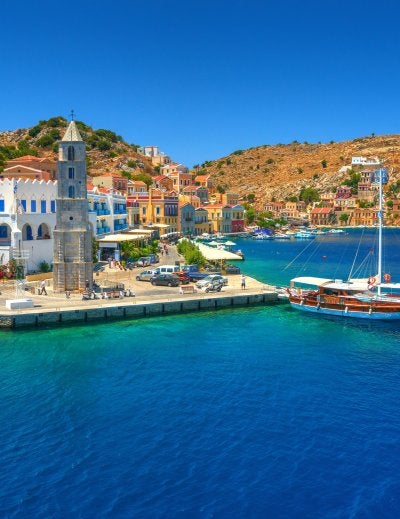
Counterintuitively, the Aegean Sea is often at its warmest in Greece in September, not in July or August, because the water has spent the whole summer absorbing heat. Combine that with island ferry schedules that are still running at full frequency (they thin out significantly by October) and the crowds of August finally easing, and September becomes arguably the best month of the year to combine Athens sightseeing with time on the islands.
Exoticca’s Ancient Ruins, Paros & Santorini pairs Athens, Delphi and Meteora with island time on Paros and Santorini.

Croatia: the Adriatic without the crowds
Like the Aegean, the Adriatic Sea along Croatia’s coast is warmer in September than it is in June, having absorbed a full summer of sun. Dubrovnik’s Old Town, which can feel overwhelmed by cruise-ship crowds in peak summer, becomes genuinely walkable again. It’s a good month to combine coastal time with inland Croatia, including Plitvice Lakes National Park, without competing with peak-season visitor numbers.
Exoticca’s Medieval Cities & Magical Lakes covers Dubrovnik, Split, Plitvice Lakes, Opatija and Zagreb.

Where to think twice in September
Not every warm-weather destination has September working in its favour. Southern Japan, including Okinawa and Kyushu, sits in the peak of typhoon season, with storm activity typically running through August and September; travellers set on Japan this month are generally better off weighting a trip toward Hokkaido or inland Honshu instead. Along Central America’s Pacific coast, including much of Costa Rica, September also falls within the peak of the rainy season, with the heaviest and most frequent downpours of the year. Neither destination is off the table, but both reward more flexibility in September than the destinations above.
Planning tips for Canadian travellers
- Book early, fly cheaper: September fares often ease once Labour Day passes and North American school holidays end, but long-haul routes to East Africa, Jordan and Southeast Asia benefit from booking well ahead regardless.
- Pack for a temperature swing: whether it’s cool Andean nights in Peru, desert days and cool evenings in Jordan, or Iceland’s shift toward autumn, layers matter more in September than in peak summer.
- Time zones and jet lag: most of these destinations are 6 to 10 hours ahead of Canadian time zones; building in a low-key first day helps, especially before an early-morning safari or a full day at Machu Picchu.
- Shoulder season means real savings: hotel rates in Mediterranean Europe typically drop well below August peaks in September, and that gap only widens as the month goes on.
Frequently asked questions
Where should Canadians travel in September?
Strong picks include South Africa (whale watching and wildflowers), Kenya and Tanzania (the tail end of the Great Migration), Peru (the last of the dry season at Machu Picchu), Jordan (past the worst summer heat), Iceland (the return of the Northern Lights), and Mediterranean destinations like Portugal, Greece and Croatia, all of which see warm seas and thinning crowds.
Is September a good time to visit Greece or Croatia?
Yes. The Aegean and Adriatic seas are typically at their warmest of the year in September, having absorbed a full summer of heat, while the peak-August crowds have eased.
Is September a good time to see the Great Migration in Kenya?
Yes, September is one of the strongest months, since the majority of the herd has usually crossed into Kenya’s Maasai Mara by this point, and river crossings are still ongoing.
When does the Northern Lights season start in Iceland?
Nights become dark enough for aurora viewing from around early to mid-September, and the season then runs through to mid-April.
Do these vacation packages include flights from Canada?
Yes, Exoticca’s vacation packages include international flights from Canadian departure airports, along with accommodation, transfers and the visits listed in each itinerary.
Ready to book your September trip? Explore Exoticca’s full range of vacation packages and find your next adventure.