Curious Japanese customs and traditions
Japan is increasingly becoming a must-see destination thanks to its natural beauty, technological innovation, and exceptional cuisine. Japanese customs and traditions reflect a rich and vibrant culture, and understanding them is an important part of preparing for visiting the Land of the Rising Sun. In this post, we explore some of the fascinating traditions that continue to shape daily life in Japan, even in an increasingly globalized world.

Japan is a remarkable country. It has rebuilt and reinvented itself after major challenges in the mid-20th century and has become one of the most admired nations in the world. Today, in the early decades of the 21st century, Japan stands out for its balance between centuries-old traditions and modern progress. Its culture remains deeply rooted, while its cities and technology continue to evolve at a rapid pace.
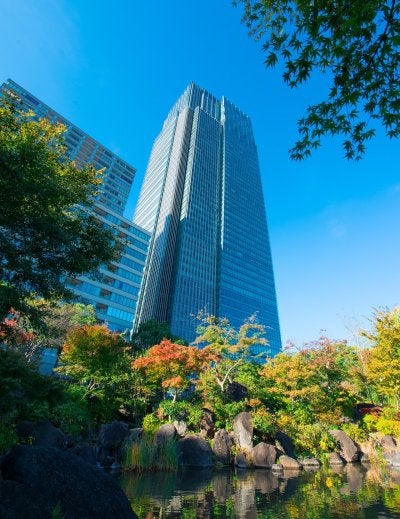
For first-time visitors, several aspects of Japan often stand out immediately. Cities are densely built, with skyscrapers maximizing vertical space and creating striking urban landscapes. At the same time, Japanese customs can feel quite different from what many travelers are used to. The country places a strong emphasis on discipline, precision, and hard work, values that are reflected in everyday life.
Japan also has a strong work culture, and you will often see office workers commuting in large numbers during rush hour. Outside of work, however, life is shaped by a sense of harmony, balance, and respect for others. These cultural values influence daily behavior and are important to keep in mind when visiting the country.

Japanese traditions: the Culture of Respect
In Japan, showing respect when meeting someone is essential. Unlike in some Western cultures, where greetings can be more casual, respect in Japan is expressed through formal gestures and behavior. This is something that is taught from a young age and remains a key part of social interactions.
For visitors, a simple bow of the head is usually enough. In more formal situations, a slight bend at the waist is appropriate. The depth and duration of the bow can vary depending on the situation. For example, greeting a friend might involve a quick, light bow, while greeting someone in a higher position, such as a manager or elder, may require a deeper and more deliberate gesture. Understanding this custom can help travelers feel more comfortable in social settings.

Curious Japanese customs at the table
In most Japanese restaurants, you will be given a small wet towel at the beginning of your meal. This is used to clean your hands before eating, and it should be folded neatly and placed back on the table afterward. It is not meant to be used as a napkin or for wiping your face.
Dining etiquette in Japan may differ from what many American travelers are used to. For example, slurping noodles is completely acceptable and even considered a sign that you are enjoying your meal. Bringing bowls closer to your mouth is also common, especially when eating rice or soup, as it makes it easier to use chopsticks.
No tip, please
Tipping is not customary in Japan. In fact, it can sometimes be seen as inappropriate. Service is expected to be attentive and professional, and this is already included in the price. Leaving extra money may cause confusion rather than appreciation, so it is best to simply thank staff politely.

Shoes indoors
In Japan, it is customary to remove your shoes when entering homes, and often in traditional accommodations, temples, and some restaurants. Many places provide indoor slippers for guests, making it easy to follow this custom. Paying attention to this small detail shows respect for local traditions.
Don’t stand out from the crowd
Japanese society places a strong value on group harmony. Standing out or drawing attention to oneself is generally avoided. This can feel different for travelers from the United States, where individuality is often encouraged.
To blend in more easily, it is best to avoid speaking loudly on public transportation and to follow local norms, such as not eating while walking down the street. Observing how locals behave can help you adapt quickly and feel more at ease.
A very safe country
Japan is known for its low crime rates and high levels of public safety. It is common to see everyday situations that might seem unusual elsewhere, such as young children commuting to school on their own or people leaving personal belongings unattended without concern.
This sense of safety contributes to a relaxed travel experience, allowing visitors to explore cities and neighborhoods with confidence at any time of day.

Now that you are familiar with some of the main Japanese customs and traditions, you will be better prepared to navigate daily life in this fascinating country. Being mindful of these cultural details can make your trip smoother and more rewarding.