Kyoto Spring 2026: Hidden Heritage & Rituals
Kyoto in March 2026 is not defined by cherry blossoms alone. While sakura season draws global attention, the deeper rhythm of the city is shaped by traditional matsuri, purification rites, classical performing arts, and rare openings of normally private cultural treasures. Spring in Kyoto marks a profound seasonal transition, where ancient rituals and imperial heritage unfold alongside the changing landscape.
For travelers willing to look beyond the blossoms, Kyoto offers a layered experience of living history.
Beyond the Blossoms: Matsuri as Seasonal Markers
In Kyoto, festivals are not isolated spectacles. They function as markers of seasonal change, linking natural cycles to spiritual practice. As winter gives way to spring, rituals emphasize purification, renewal, and gratitude.
These events often coincide with botanical transitions. Plum blossoms bloom first, signaling resilience and early renewal. Cherry blossoms follow, embodying the fleeting beauty captured in the philosophy of mono no aware. Kyoto’s March calendar reflects this progression, guiding visitors through the spiritual and aesthetic awakening of the city.
Early Spring Purification Rituals
Nagashibina at Shimogamo Shrine (March 3)
Held annually on March 3 for Hina Matsuri, Nagashibina is one of Kyoto’s most serene spring ceremonies. At Shimogamo Shrine, a man and woman dressed in imperial court-style attire representing the Emperor and Empress place paper dolls into woven reed baskets and float them down the shrine’s sacred stream.
This ritual, which dates back more than 800 years to the Heian period, serves as a prayer for the health and well-being of young girls. Symbolically, misfortune and negative influences are transferred to the dolls as they drift away on the water. The ceremony marks a spiritual cleansing at the threshold of spring.
Plum Blossom Festival at Kitano Tenmangu (February 25)
Before cherry blossoms arrive, plum blossoms dominate Kyoto’s early spring landscape. At Kitano Tenmangu Shrine, the Plum Blossom Festival commemorates the death anniversary of Sugawara no Michizane, the shrine’s enshrined deity, who was known for his deep love of plum trees.
A highlight of the festival is the Nodate Grand Tea Gathering. Geiko and maiko from the nearby Kamishichiken district host an outdoor tea service beneath blooming trees. The shrine’s plum garden remains open into early March, and illuminated evening viewings extend the experience into twilight hours.
The 2026 Special Exhibition of Non-Public Cultural Properties
(March 1 – April 12)
One of Kyoto’s most significant spring initiatives is the Special Exhibition of Non-Public Cultural Properties. Organized to preserve and share cultural heritage, this program temporarily opens carefully selected temples and sacred spaces that are normally closed to the public.
Rather than a single exhibition, the initiative unfolds in stages across multiple locations.
Seiraiin (March 1–8)
A subtemple of Kenninji, Seiraiin offers access to meticulously maintained dry landscape gardens and features a dramatic white dragon ceiling painting by Chinese artist Chen Man. This limited opening provides a rare opportunity to experience a quiet, contemplative space typically unavailable to visitors.
Byodoji (March 20–April 5)
Byodoji presents Important Cultural Property statues, including Yakushi Nyorai and Shaka Nyorai. The temple is also known for offering unique blessings for the health of pets, reflecting the intersection of faith and daily life.
Iwashimizu Hachimangu (March 20–April 12)
At Iwashimizu Hachimangu, visitors gain corridor access that allows them to view the National Treasure main hall from a rarely seen perspective. The architectural details and elevated vantage point reveal aspects of the shrine usually hidden from public view.
These openings help redistribute visitor flow across the city, offering meaningful alternatives to heavily crowded sites during peak bloom.
Imperial Immersion: “Introduction to Court Culture”
(Kyoto Imperial Palace, March 25–29)
From March 25 to 29, 2026, the Kyoto Imperial Palace hosts a rare special opening titled “Introduction to Court Culture.” This event provides insight into the refined world of Japan’s imperial traditions.
Visitors can view the ornate Takamikura throne and the Michodai ceremonial seat from the South Garden. Cultural demonstrations include the dressing of a Junihitoe, the traditional 12-layered ceremonial kimono. Performances of Gagaku, ancient court music, and Kemari, a classical court ball game, further animate the palace grounds.
This short window offers an immersive glimpse into ceremonial life that shaped Kyoto for centuries.
Traditional Performing Arts in Bloom
Kitano Odori (March 20 – April 2)
Presented by the geiko and maiko of Kamishichiken, Kyoto’s oldest geisha district, Kitano Odori is an annual spring dance performance established in 1952. The program showcases elegant seasonal dances and theatrical scenes rooted in classical Japanese aesthetics. The performance culminates in a finale where all performers appear together in coordinated costume.
Hanezu Odori at Zuishin-in (March 29)
Held on the last Sunday of March, Hanezu Odori unfolds at Zuishin-in Temple. Young performers dressed in soft pink hanezu-colored costumes dance among blooming plum trees. The performance recounts the romantic legend of Ono no Komachi and her devoted suitor, Fukakusa no Shosho. The event directly ties local folklore to the seasonal landscape.
Mythology in Motion: Seiryu-e at Kiyomizudera
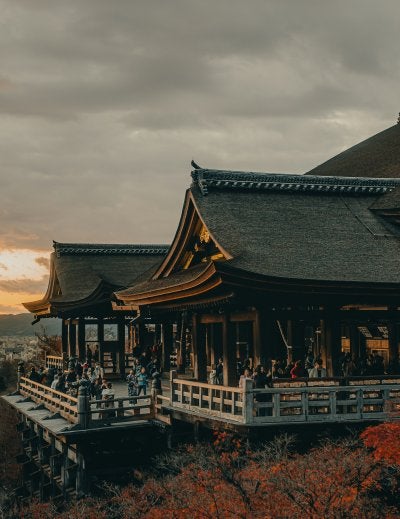
On March 15, Kiyomizudera Temple hosts the Seiryu-e, or Blue Dragon Festival. This vibrant procession honors Seiryu, a guardian deity believed to protect Kyoto’s eastern districts and associated with Kannon, the Buddhist deity of compassion.
An 18-meter-long blue dragon figure, designed in collaboration with renowned artisans, winds through the temple grounds and surrounding streets. Performers in ornate costumes guide the dragon while spectators chant prayers for peace and protection.
The spectacle merges mythology, craftsmanship, and collective ritual into a living expression of Kyoto’s spiritual heritage.
A City Revealed Through Ritual
Kyoto Spring 2026 invites visitors to look past the surface beauty of cherry blossoms and discover the deeper architecture of tradition. From purification rites and imperial ceremonies to rare temple openings and mythological processions, March reveals a city in transition.
Here, the arrival of spring is not only seen in petals drifting through temple courtyards. It is heard in court music, felt in ancient rituals, and witnessed in spaces that open only briefly each year.